

What is pop-art?
- Show All
- Established
- Discoveries
- Show All
Artworks Related to Pop art

Julian Opie
Swamp Hen (from Small Birds), 2020
Limited Edition Print
Mixed Media
USD 10,800
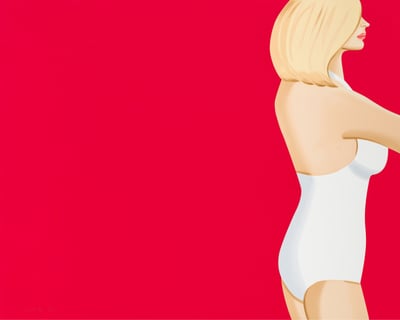
Alex Katz
Coca-Cola Girl 3, 2019
Limited Edition Print
Silkscreen
USD 20,000 - 30,000
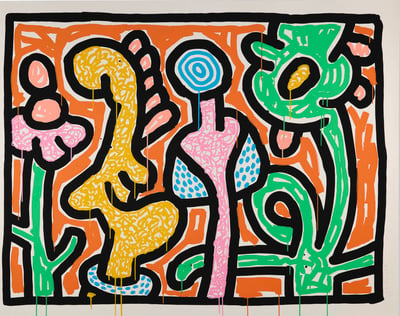
Keith Haring
Flowers IV, 1990
Limited Edition Print
Screen-print
USD 42,500
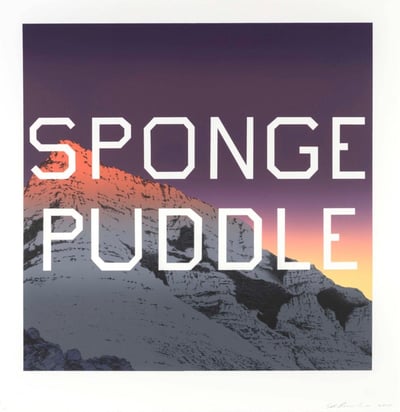
Ed Ruscha
Sponge Puddle, 2015
Limited Edition Print
Lithograph
USD 42,000 - 50,000
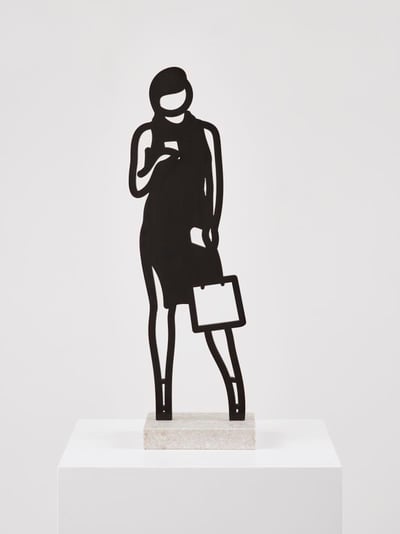
Julian Opie
Melbourne Statuettes: Telephone, 2018
Sculpture / Object
Bronze
USD 18,950

Julian Opie
Long Hair: Boston Statuettes, 2020
Sculpture / Object
Bronze
USD 14,200

Julian Opie
Leggings: Boston Statuettes, 2020
Sculpture / Object
Bronze
USD 14,200

Julian Opie
Medieval Village 2, 2019
Limited Edition Print
Mixed Media
USD 4,400

Julian Opie
Medieval Village 1, 2019
Limited Edition Print
Mixed Media
USD 4,400
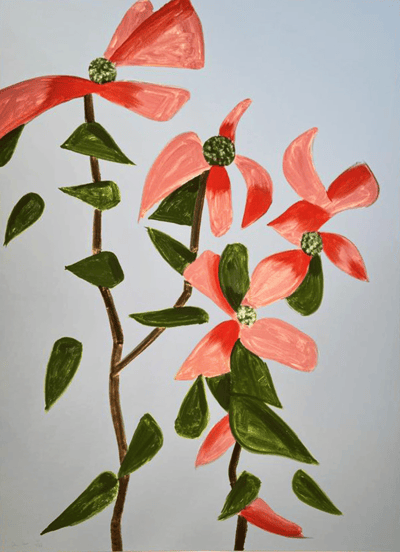
Alex Katz
Red Dogwood 2 from The Flowers Portfolio, 2021
Limited Edition Print
Archival Print
USD 17,750
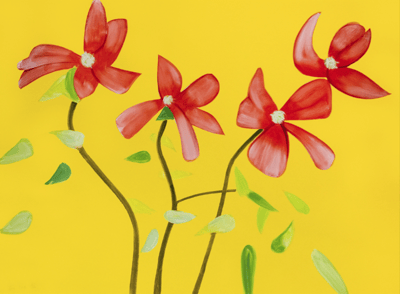
Alex Katz
Red Dogwood 1 from Flowers Portfolio, 2021
Limited Edition Print
Archival Print
USD 17,750
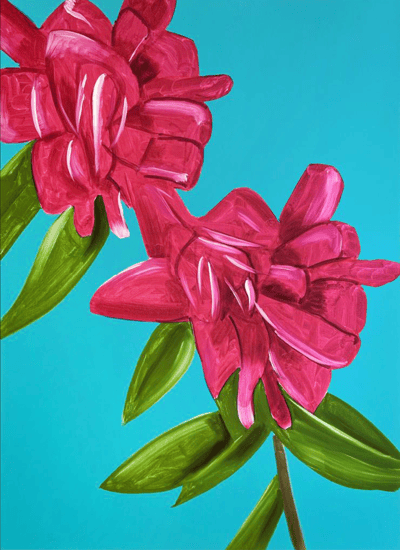
Alex Katz
Peonies from The Flowers Portfolio, 2021
Limited Edition Print
Archival Print
USD 17,750
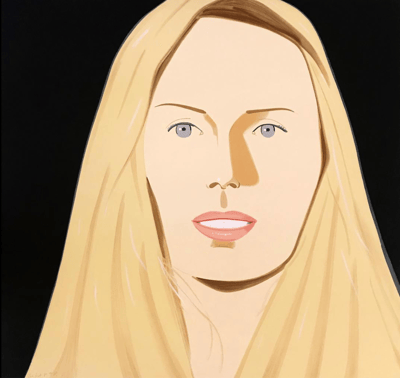
Alex Katz
Sara, 2012
Limited Edition Print
Silkscreen
USD 21,000
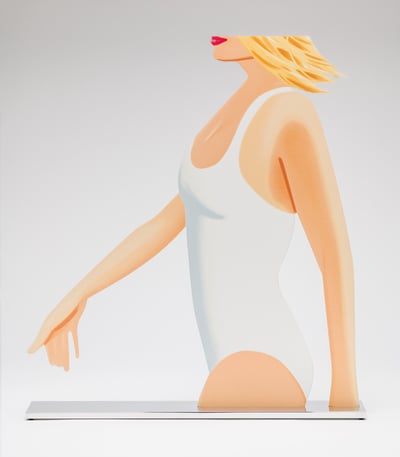
Alex Katz
Coca-Cola girl (cutout), 2019
Sculpture / Object
Mixed Media
Currently Not Available

Alex Katz
Yellow Flags 3, 2020
Limited Edition Print
Archival Print
USD 18,900
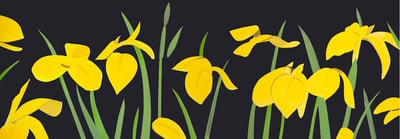
Alex Katz
Yellow flags 2, 2018
Limited Edition Print
Archival Print
USD 18,900
Related Articles
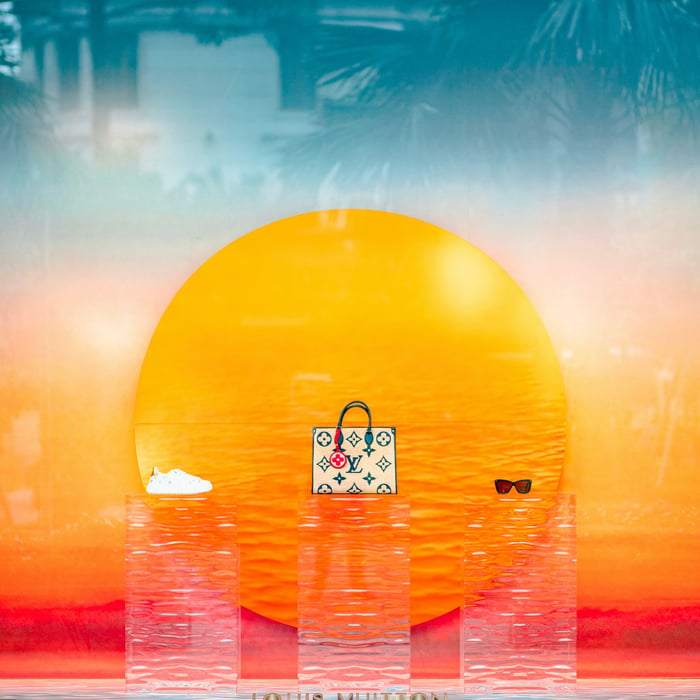
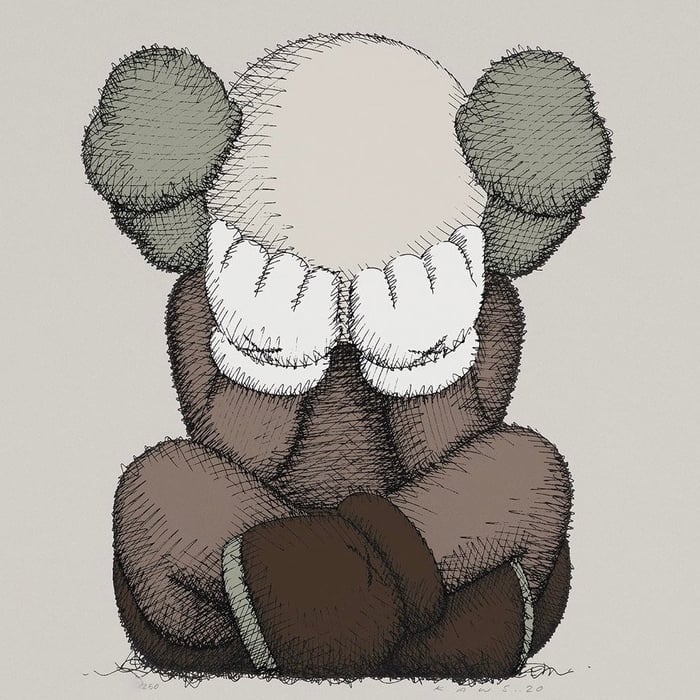


Surrealism began in the 1920s as an art and literary movement with the goal of revealing the unconscious mind and unleashing the imagination by exploring unusual and dream-like imagery. Influenced by Sigmund Freud’s theories of psychoanalysis, Surrealist artists and writers sought to bring the unconscious into rational life, blurring the lines between reality and dreams. The movement aimed to challenge conventional perceptions and express the irrational aspects of the human experience.

A plate is a broad, primarily flat vessel used for serving food, but it can also serve ceremonial or decorative purposes. Plates are typically circular, though they can be any shape and made from various water-resistant materials. Most plates have raised edges, either by curving upward or featuring a wider lip. Vessels without a raised edge or with a more rounded profile are often considered bowls or dishes, while very large, plate-shaped vessels might also be classified as dishes.
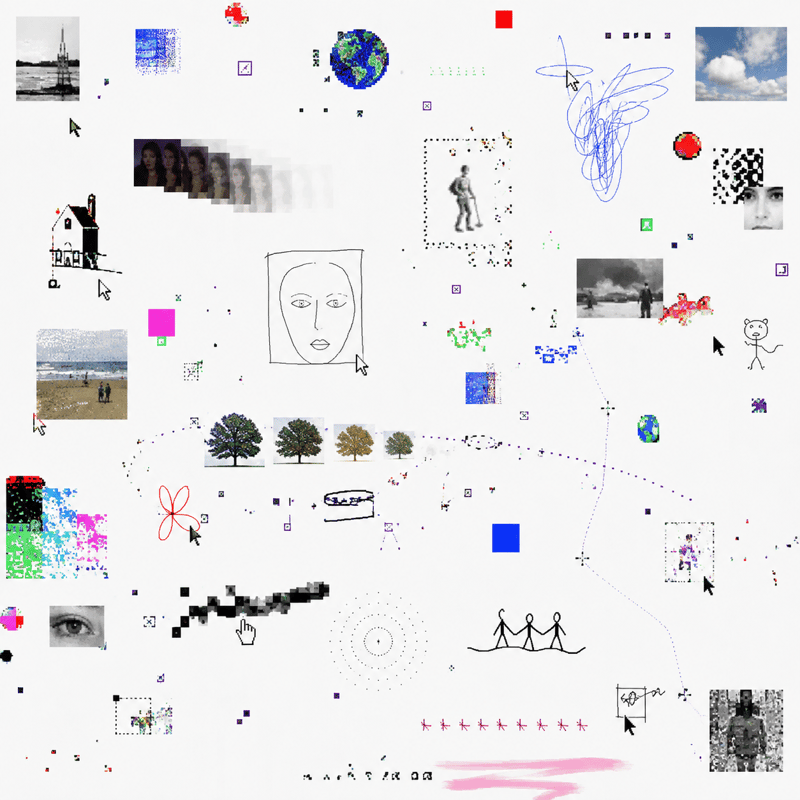
Net Art is art created on the internet, specifically for the internet. Artists who create it use computers to generate imagery, exhibit art online, or build programs that produce unique artworks. Since the 1990s, the movement has been considered subversive because it transcends geographic boundaries and defies traditional art norms, challenging conventional ideas of where and how art should be experienced.
Can't find your Answer?
Thank you! Your question has been sent — we'll get back to you shortly.
