
What is Postmodernism?
- Show All
- Established
- Discoveries
- Show All
Artworks Related to Postmodernism

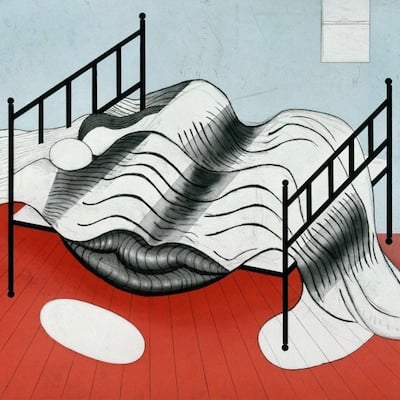
Willem de Kooning
Rainbow: Thelonious Monk Devil at, 1972/76
Limited Edition Print
Lithograph
USD 4,200
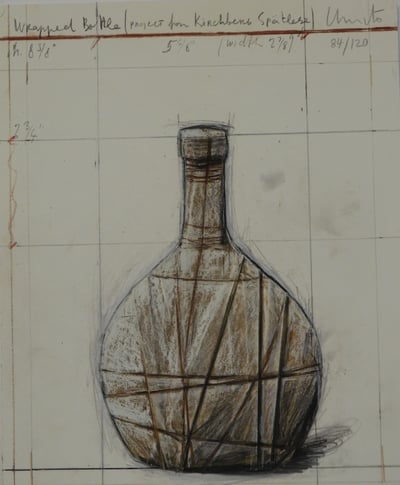
Javacheff Christo
Wrapped bottle, 2007
Limited Edition Print
Mixed Media
EUR 7,850
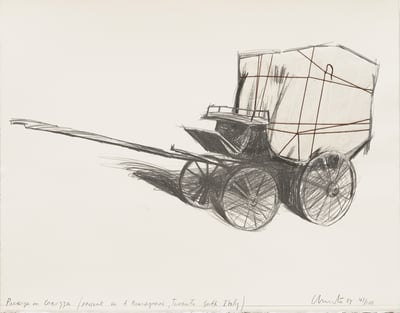
Javacheff Christo
Package on Carrozza, 1984
Limited Edition Print
Mixed Media
EUR 13,675

Georg Jiri Dokoupil
Untitled, 1989
Painting
Acrylic on canvas
EUR 17,500 - 20,000

Al Held
Pradorama, 1991
Limited Edition Print
Lithograph
EUR 4,200
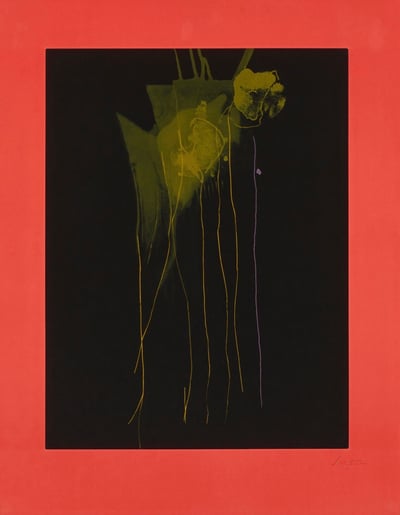
Helen Frankenthaler
Ramblas, 1987-1988
Limited Edition Print
Mixed Media
USD 9,600

Peter Blake
Some of the Sources of Pop Art VI, 2007
Limited Edition Print
Screen-print
GBP 4,800

Peter Blake
Union Flag, 2016
Limited Edition Print
Screen-print
GBP 6,600
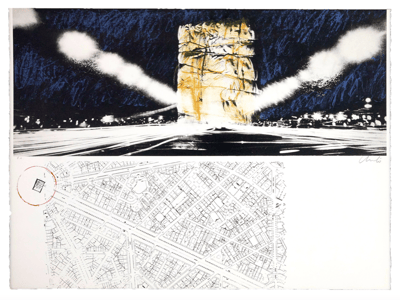
Javacheff Christo
Project for the Arc de Triomphe, Paris , 1970
Limited Edition Print
Lithograph
Currently Not Available

Robert Motherwell
Untitled 23, 1988
Limited Edition Print
Lithograph
USD 1,390

Willem de Kooning
Composition for lisa, 1984
Limited Edition Print
Lithograph
USD 10,000

Willem de Kooning
In Favor of Ones Time, 1988
Limited Edition Print
Lithograph
USD 1,700
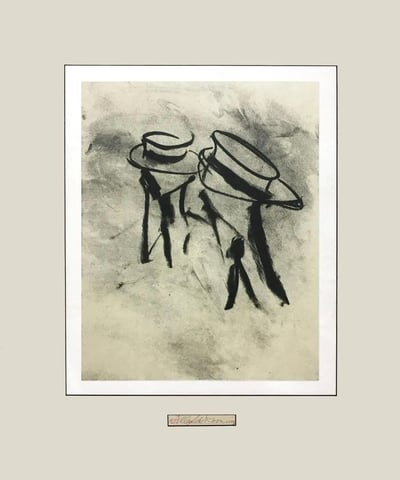
Willem de Kooning
You Are Gorgeous and Im Coming, 1988
Limited Edition Print
Lithograph
Inquire For Price

Javacheff Christo
Wrapped Walkways Detail WW-451
Limited Edition Print
Photograph
EUR 11,000

Peter Blake
Marilyn Monroe (Stars), 2010
Limited Edition Print
Mixed Media
Currently Not Available
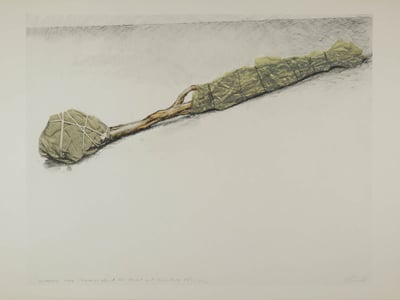
Javacheff Christo
Wrapped Tree
Limited Edition Print
Screen-print
EUR 3,800
Related Articles
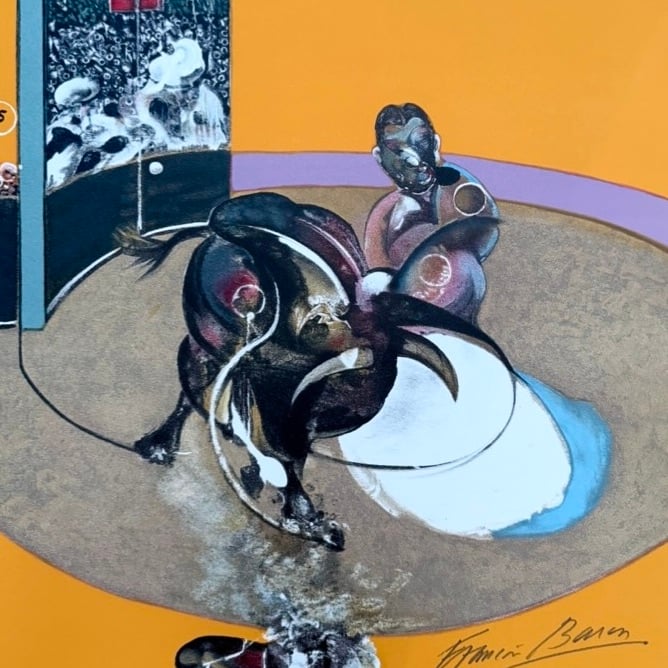

A triptych is an artwork divided into three sections or panels, often hinged together, allowing it to be displayed open or folded shut. It is a type of polyptych, a term for multi-panel artworks. Typically, the central panel is the largest, flanked by two smaller panels, although some triptychs have panels of equal size. Triptychs have been historically significant in religious art but are also used in contemporary works.

Live art is a form of performance that began in the 1960s and is generally exploratory and innovative. It involves a single artist or an artist group presenting the work before a live audience. The performances can include humans, animals, and living plants, often blurring the boundaries between art and life, and encouraging interaction with the audience.

Lyrical abstraction is a descriptive term characterizing a type of abstract painting closely related to Abstract Expressionism, in use from the 1940s to the present. The term can also describe two distinct but related trends in post-World War II modernist painting. This art movement originated in Paris, France, after the war, emphasizing personal expression, spontaneity, and the emotional use of color and form.
Can't find your Answer?
Thank you! Your question has been sent — we'll get back to you shortly.
