
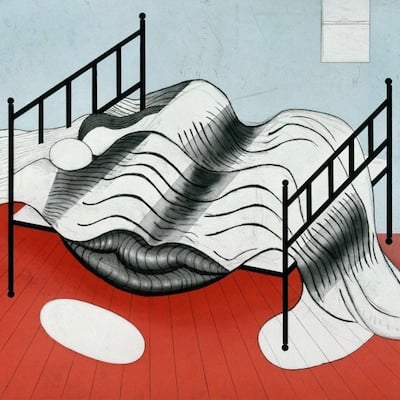
What is Postmodernism?
- Show All
- Established
- Discoveries
- Show All
Artworks Related to Postmodernism

Leonard Freed
Back Horse, 1974
Photography
Archival Print
USD 3,680

Leonard Freed
Mykonos Athletes, 1975
Photography
Archival Print
USD 3,090

Leonard Freed
Louisiana Prison, 1963
Photography
Archival Print
USD 11,900

Juliao Sarmento
Mod. 4, 1993
Photography
Photograph
Currently Not Available
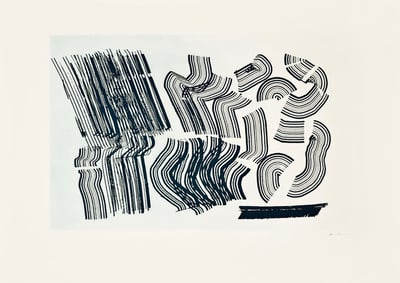
Hans Hartung
Las Estampas de la Cometa 5, 1971
Limited Edition Print
Etching
EUR 1,550
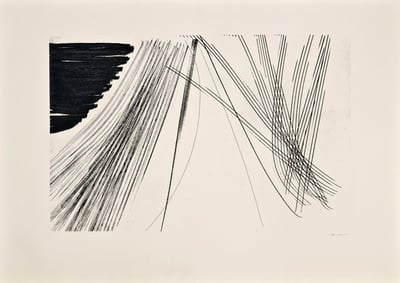
Hans Hartung
Las Estampas de la Cometa 4, 1971
Limited Edition Print
Etching
EUR 1,550
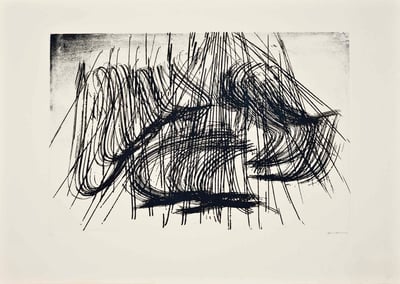
Hans Hartung
Las Estampas de la Cometa 1, 1971
Limited Edition Print
Etching
EUR 1,550

Javacheff Christo
Reichstag Mappe II, Südfassade, 1995
Photography
Photograph
EUR 4,800
Javacheff Christo
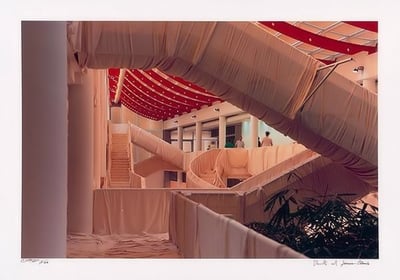
Museum Würth Wrapped Stairs, 1995
Limited Edition Print
Photograph
EUR 6,900

Javacheff Christo
Museum Würth Wrapped Chairs, 1995
Limited Edition Print
Photograph
EUR 6,900
Javacheff Christo
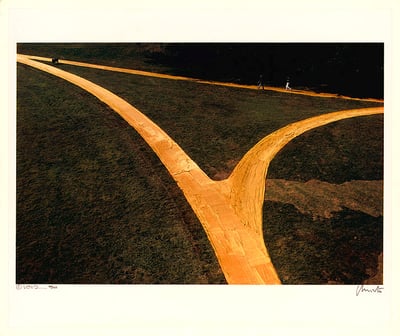
Wrapped Walk Ways, 1978
Limited Edition Print
Photograph
EUR 5,900
Javacheff Christo
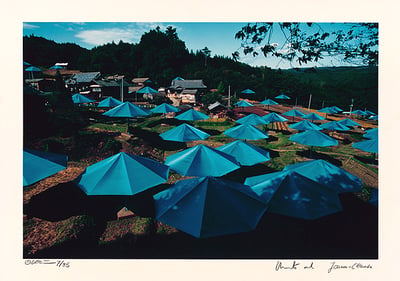
Umbrellas Jinba Blue
Limited Edition Print
Photograph
EUR 6,900

Javacheff Christo
The Gates Rondell, 2005
Photography
Photograph
EUR 19,000
Javacheff Christo
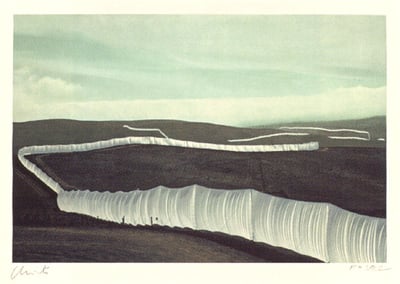
Running Fence, California, 1976
Photography
Screen-print
EUR 3,900
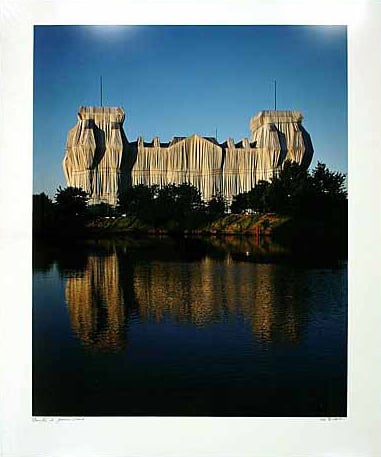
Javacheff Christo
Reichstag/Berlin II Wrapped, 1995
Limited Edition Print
Photograph
EUR 12,000
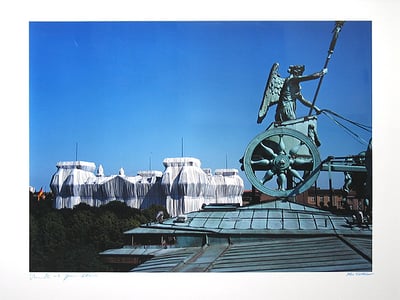
Javacheff Christo
Reichstag/Berlin I Wrapped, 1995
Limited Edition Print
Photograph
EUR 18,000
Related Articles
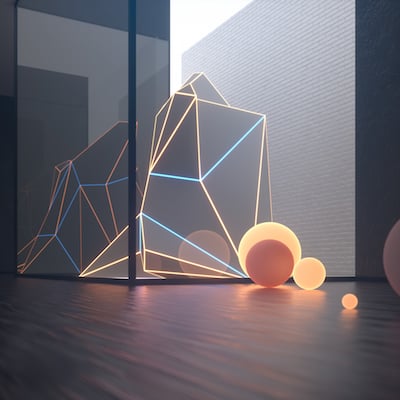
Installation art is a three-dimensional artistic genre that involves site-specific works designed to alter the viewer's perception of space. These works are typically created for interior spaces, such as museums and galleries, but can also be found in private and public locations. Installation art can be temporary or permanent, depending on its purpose and setting.

Charcoal is made from charred wood and is used in both initial sketches and finished drawings. It can be easily smudged or erased, making it versatile for corrections. To make charcoal drawings permanent, a fixative like resin or gum is required. It’s especially useful for sketching first ideas on walls or canvas.

Spatialism is an art movement that originated in Italy in 1947, founded by Lucio Fontana with the intention of synthesizing sound, color, movement, and space into a new form of art. The movement's central ideas were outlined in Fontana's first manifesto, published in 1947, where he introduced the concept of spatial art to capture the spirit of the post-war era. His ideas were further developed in five subsequent manifestos. Although Fontana's ideas were sometimes considered vague, his influence was significant, as he was one of the first European artists to emphasize art as a performance and gesture.
Can't find your Answer?
Thank you! Your question has been sent — we'll get back to you shortly.
