
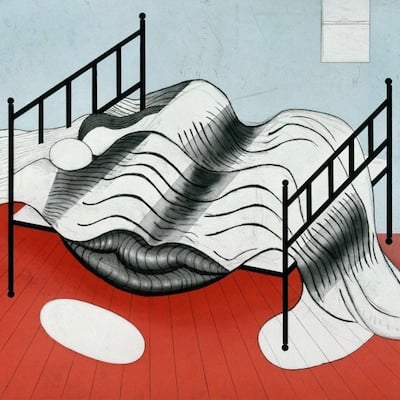
What is Postmodernism?
Postmodernism is an art movement that emerged as a reaction against authority and traditional boundaries, seeking to blur the lines between art and everyday life. It aimed to bridge the gap between the cultural elite and the general public by embracing eclectic mixtures of earlier conventions and styles. Postmodernist art often challenges established norms and celebrates diversity, irony, and pastiche, making it a movement that reflects the complexities of contemporary culture.
Show All
- Show All
- Established
- Discoveries
Show All
- Show All
Artworks Related to Postmodernism

Leonard Freed
Joseph Beuys and his Family in his Home in Oberkassel, 1965
Photography
Gelatin Silver Print
USD 3,500
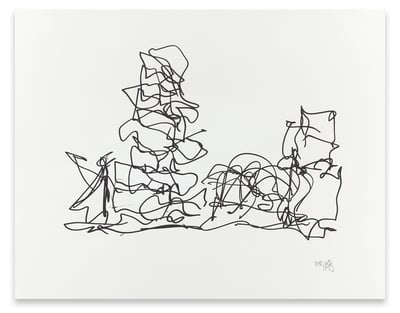
Frank Gehry
Brooklyn Atlantic Yards Masterplan, 2009
Limited Edition Print
Lithograph
Currently Not Available
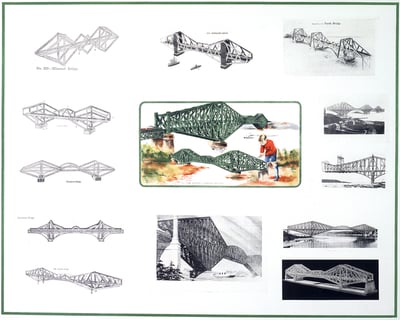
Chris Burden
Cantilever Bridges, 2000
Limited Edition Print
Aquatint
Currently Not Available
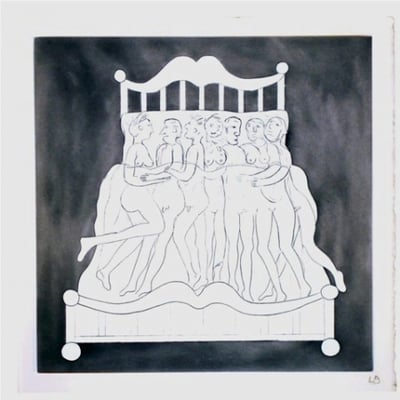
Louise Bourgeois
Metamorfosis V, 1999
Limited Edition Print
Etching
Currently Not Available
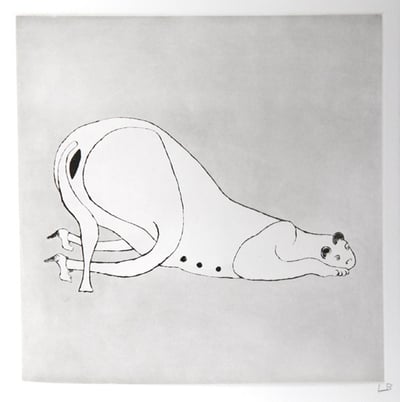
Louise Bourgeois
Metamorfosis I , 1999
Limited Edition Print
Etching
Currently Not Available
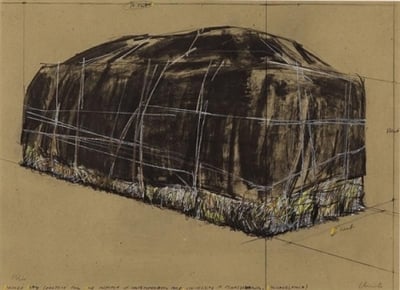
Javacheff Christo
Packed Hay, 1973
Limited Edition Print
Screen-print
EUR 3,800
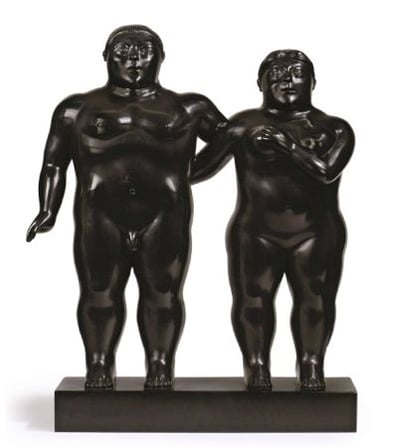
Fernando Botero
Man and Woman, .
Sculpture / Object
Bronze
Currently Not Available
Related Articles
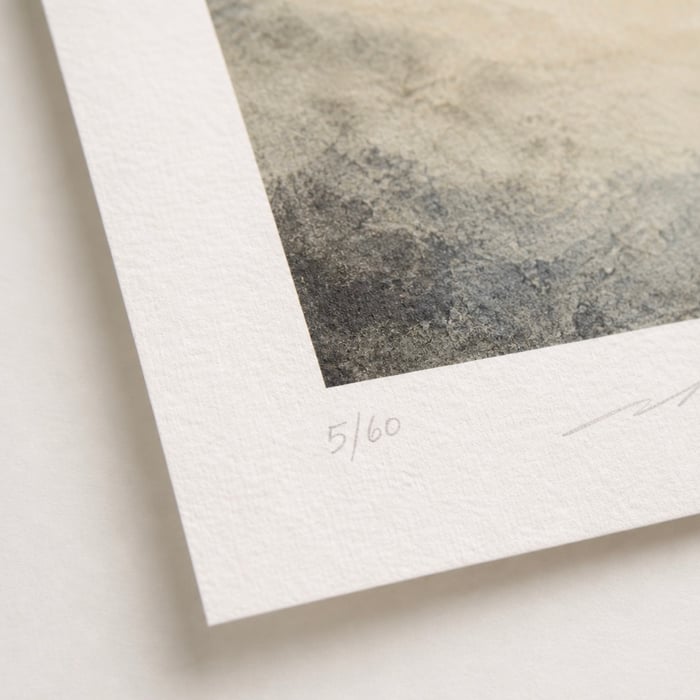

A silver gelatin print is a type of photographic print made using the silver process. In this process, photographic materials such as black and white films and printing papers are coated with a light-sensitive emulsion of silver salts suspended in gelatin. This emulsion is applied to a support, which could be flexible plastic, glass, resin-coated paper, or baryta paper. The materials are light-sensitive and remain stable under normal storage conditions, making them ideal for long-term preservation.

Matter painting is a technique that involves blending thick impasto paints with materials like cement, mud, sand, or shells. The term first emerged in the 1950s to describe the works of Belgian and Dutch painters who explored the physical properties of painting materials and the different ways paint could be manipulated. This approach emphasizes texture and the tactile qualities of the surface, creating a sculptural effect on the canvas.

Spatialism is an art movement that originated in Italy in 1947, founded by Lucio Fontana with the intention of synthesizing sound, color, movement, and space into a new form of art. The movement's central ideas were outlined in Fontana's first manifesto, published in 1947, where he introduced the concept of spatial art to capture the spirit of the post-war era. His ideas were further developed in five subsequent manifestos. Although Fontana's ideas were sometimes considered vague, his influence was significant, as he was one of the first European artists to emphasize art as a performance and gesture.
Can't find your Answer?
Thank you! Your question has been sent — we'll get back to you shortly.
