

What is resin?
Resin can be derived from both natural sources, such as pine sap, and synthetic processes. Natural resin comes from tree sap, while synthetic resin is a type of dense, easily molded plastic. Resin is commonly used in sculpture, and it can also enhance the vibrancy of paint colors.
Show All
- Show All
- Established
- Discoveries
Show All
- Show All
Artworks Related to Resin

Alison Wilding
Rising, 2001
Sculpture / Object
Resin
GBP 4,800

Richard Orlinski
Wild Denim, 2016
Sculpture / Object
Resin
EUR 17,700

Richard Orlinski
Born Wild Crocodile (Black), 2006
Sculpture / Object
Resin
EUR 9,560
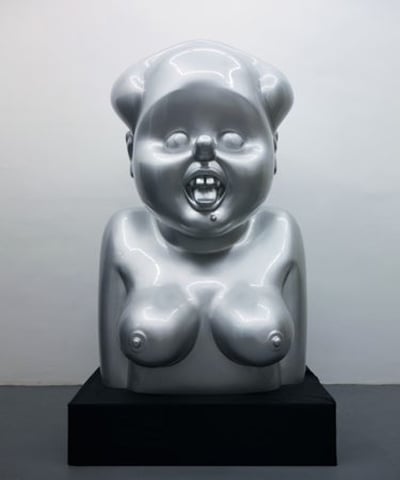
Gao Brothers
Miss Mao No.2, 2006
Sculpture / Object
Resin
Currently Not Available
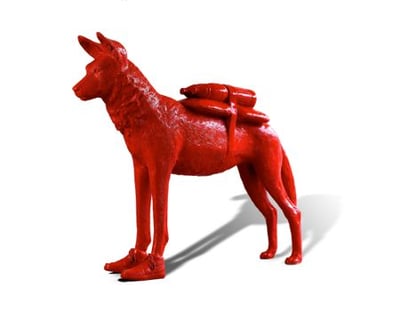
William Sweetlove
African dog with shoes and water bottles, 2011
Sculpture / Object
Resin
EUR 6,000 - 8,000
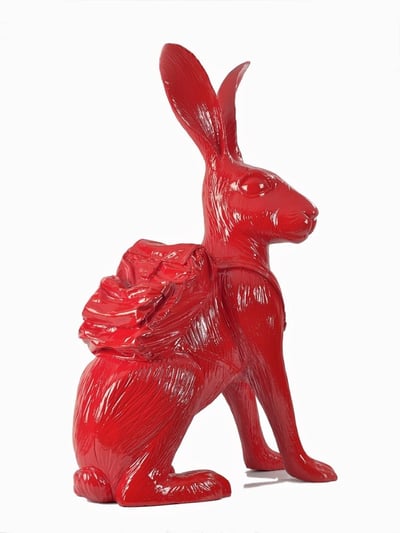
William Sweetlove
Cloned Hare with backpack, 2009
Sculpture / Object
Resin
EUR 10,000
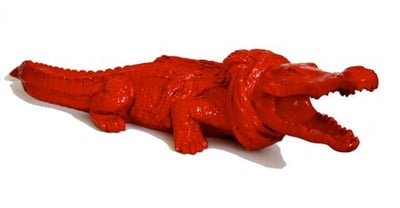
William Sweetlove
Cloned Krocky with scarf, 2009
Sculpture / Object
Resin
EUR 3,000
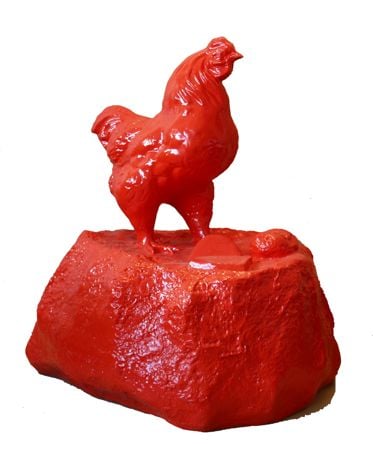
William Sweetlove
Cloned red chicken on a rock, 2005
Sculpture / Object
Resin
EUR 2,500
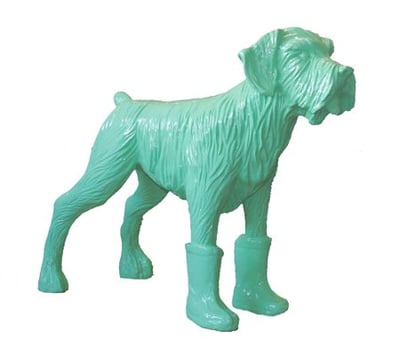
William Sweetlove
Cloned pistachio dog with plastic boots, 2008
Sculpture / Object
Resin
EUR 2,500
Related Articles


Gouache is an opaque watercolor paint that allows artists to layer from light to dark. Unlike traditional transparent watercolors, gouache is used for creating solid, vibrant colors. It belongs to the water-media category and is made of pigment, a binding agent, and an inert material, specifically designed for opaque painting.
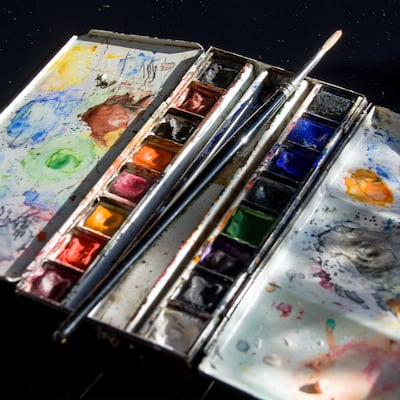
Watercolor refers to both the medium and the resulting artwork created using pigments suspended in a water-soluble vehicle. Watercolors are known for their luminous, transparent appearance because the pigments are applied in pure form with minimal fillers. By adding Chinese white, the watercolor can become opaque, resembling gouache.
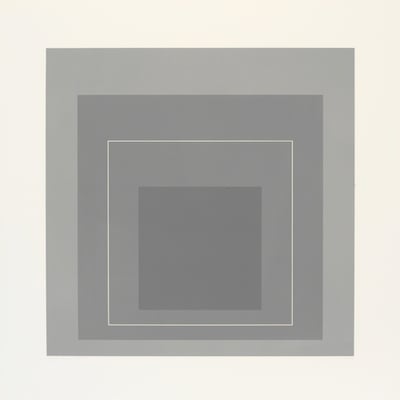
Concrete Art is an art movement founded by the Dutch artist Theo van Doesburg in the 1930s. The movement emphasizes pure abstraction, focusing on geometric shapes and colors without any reference to the natural world or symbolic meaning. Unlike other forms of abstract art, Concrete Art is entirely non-representational and is based on mathematical principles and precise execution. It aims to create universal, timeless works by using simple, clear forms that emphasize objectivity and clarity.
Can't find your Answer?
Thank you! Your question has been sent — we'll get back to you shortly.
