

What is Tachisme?
- Show All
- Established
- Discoveries
- Show All
Artworks Related to Tachisme

Karel Appel
Putting green kiss , 1978
Limited Edition Print
Silkscreen
USD 1,750

Karel Appel
Como el Viento, 1988
Limited Edition Print
Etching and Aquatint
EUR 1,700

Asger Jorn
Dans le Sillage d’if-Aube, 1971
Limited Edition Print
Woodcut
Currently Not Available

Asger Jorn
L’oubli, 1960/61
Limited Edition Print
Lithograph
USD 3,000
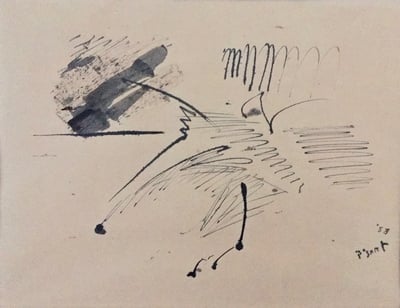
Bram Bogart
Untitled - informal drawing, 1958
Drawing / Watercolor
East Indian ink
EUR 1,900

Antoni Tapies
Vaisselle, 1984
Limited Edition Print
Mixed Media
EUR 4,375
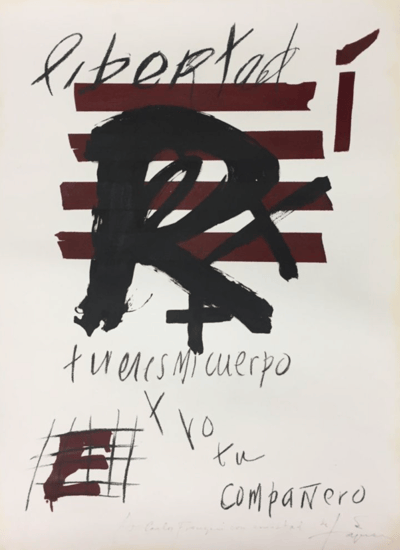
Antoni Tapies
Libertad, 1976
Drawing / Watercolor
Mixed Media
EUR 23,700

Antoni Tapies
Moix, 1967
Limited Edition Print
Lithograph
EUR 7,200

Sam Francis
Untitled from the Papierski Portfolio, 1992
Limited Edition Print
Lithograph
EUR 6,000

Antoni Tapies
Nocturn matinal -8 , 1970
Limited Edition Print
Lithograph
EUR 3,750

Sam Francis
Metal Line, 1971
Limited Edition Print
Lithograph
USD 8,500
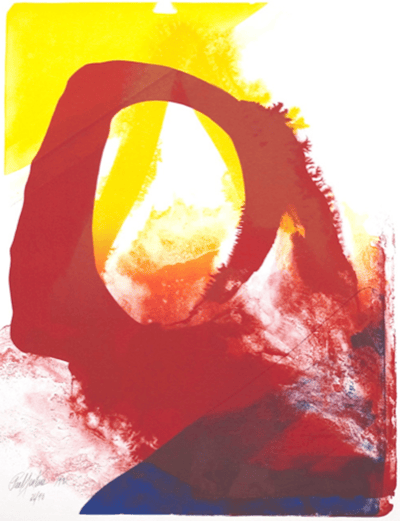
Paul Jenkins
Aspects d’Amadeus et les Autres, 1992
Limited Edition Print
Lithograph
USD 1,350

Antoni Tapies
Nocturno Matinal, 1970
Limited Edition Print
Mixed Media
EUR 3,750

Antoni Tapies
Z, 1979
Limited Edition Print
Mixed Media
EUR 5,500

Lucio Fontana
Portrait D'antonin Artaud, 1968
Sculpture / Object
Mixed Media
Currently Not Available
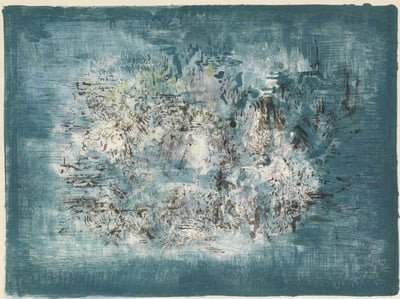
Zao Wou-Ki
Petit Jardin, 1956
Limited Edition Print
Lithograph
EUR 10,000
Related Articles
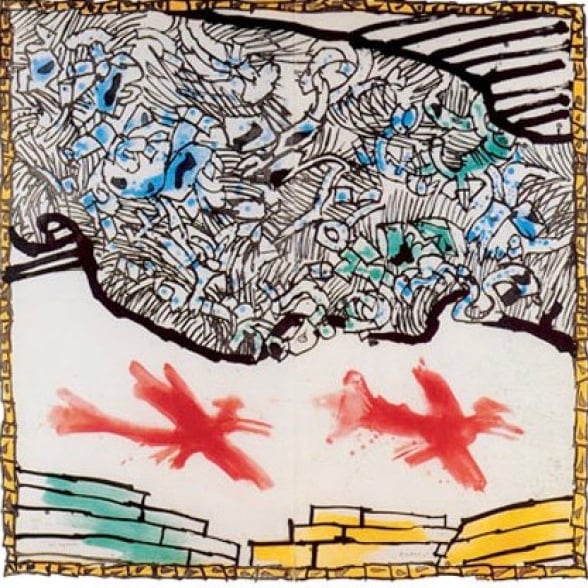
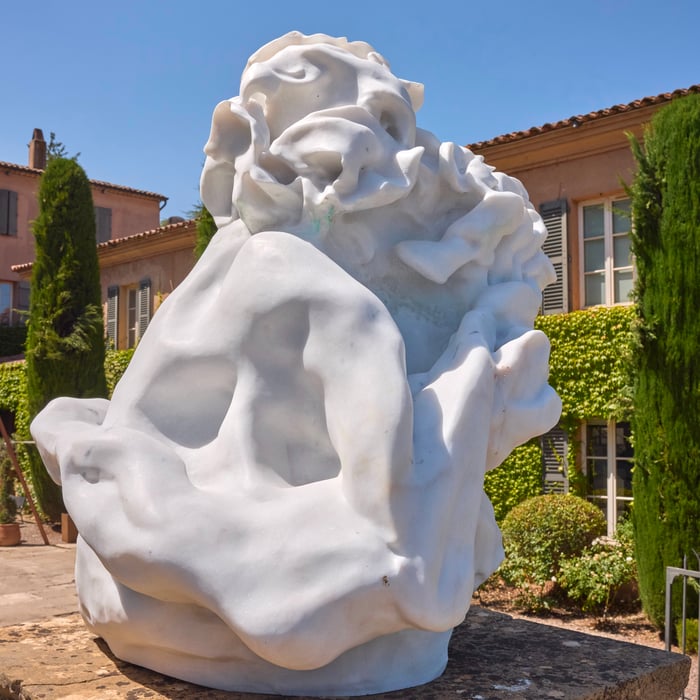

Emulation is the process of recreating digital art to ensure it remains accessible and functional, even when the original technology used to create it becomes obsolete. This is done by using newer technology to replicate the experience and functionality of the original artwork, preserving art made with early cameras, software, and computers.

Appropriation in art involves using pre-existing images or objects with little or no modification. This technique has played a significant role across various art forms, including visual arts, music, performance, and literature. In visual arts, appropriation refers to the practice of adopting, sampling, recycling, or borrowing elements—or even entire forms—of existing visual culture, integrating them into new works to create meaning or critique.
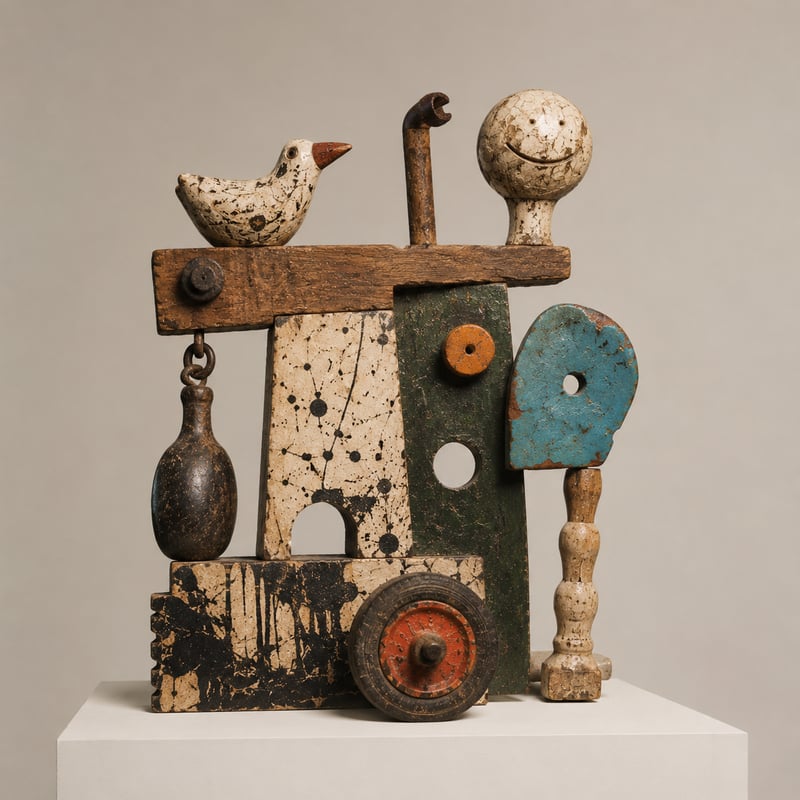
In the 1960s, Funk Art emerged as a reactive movement against Abstract Expressionism. It was widely known as an anti-establishment movement, with the name derived from the jazz term funky. This term carried both positive and negative connotations: in the jazz world, it described passion, quirkiness, and sensuality, but it could also refer to a foul odor. Funk Art was particularly popular in the California Bay Area. While the artists of the Funk Art era shared similar attitudes and styles, they did not see themselves as part of a formal group or movement.
Can't find your Answer?
Thank you! Your question has been sent — we'll get back to you shortly.
