
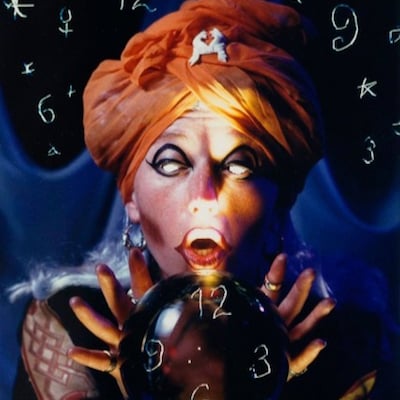
What is Uncanny?
- Show All
- Established
- Discoveries
- Show All
Artworks Related to Uncanny
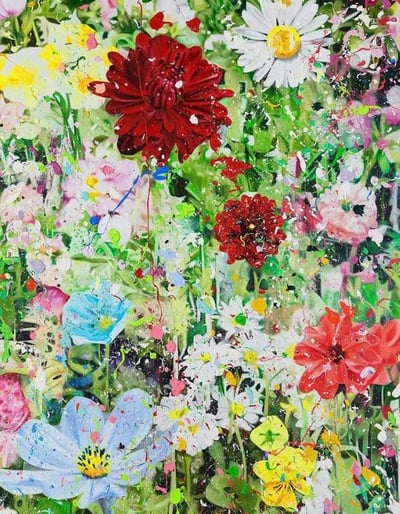
Damien Hirst
Resolution (from Secrets), 2024
Limited Edition Print
Giclée printing
GBP 10,000 - 12,000

Damien Hirst
Knowledge (from Secrets), 2024
Limited Edition Print
Giclée printing
GBP 10,000 - 15,000
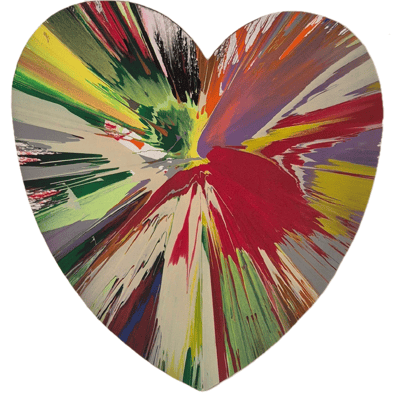
Damien Hirst
Untitled (spin - heart), 2009
Painting
Acrylic on paper
GBP 15,000 - 20,000
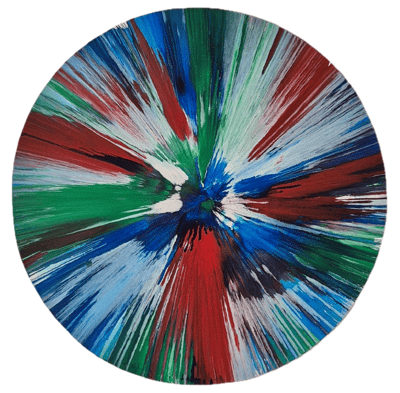
Damien Hirst
Untitled (spin), 2009
Painting
Acrylic on paper
GBP 15,000 - 20,000
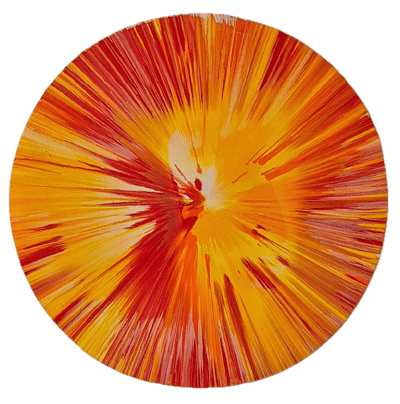
Damien Hirst
Untitled (spin - orange), 2009
Painting
Acrylic on paper
GBP 15,000 - 20,000
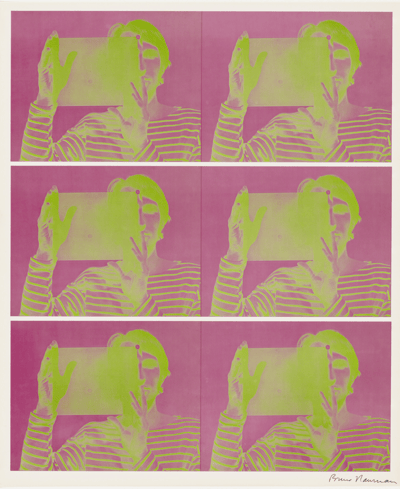
Bruce Nauman
Sequence, 1968
Limited Edition Print
Offset Print
EUR 2,700
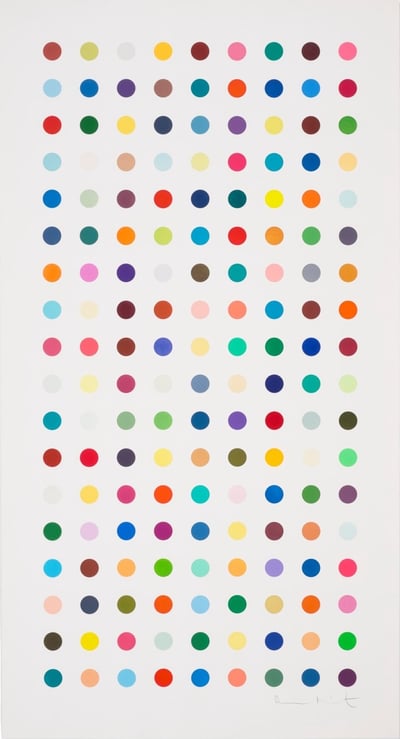
Damien Hirst
Methamphetamine, 1984
Limited Edition Print
Etching
Inquire For Price
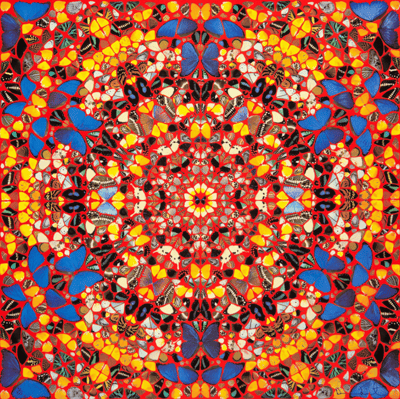
Damien Hirst
Cathedral Print: Duomo, 2007
Limited Edition Print
Screen-print
Inquire For Price
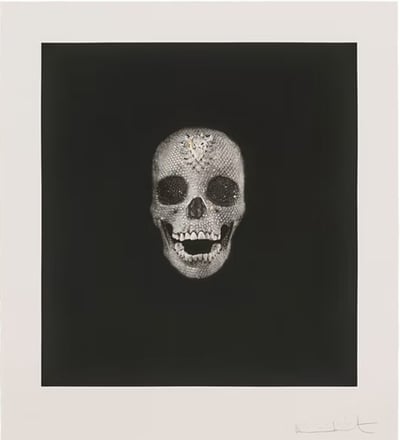
Damien Hirst
Victory Over Death Hand Finished Print, 2008
Limited Edition Print
Mixed Media
Inquire For Price
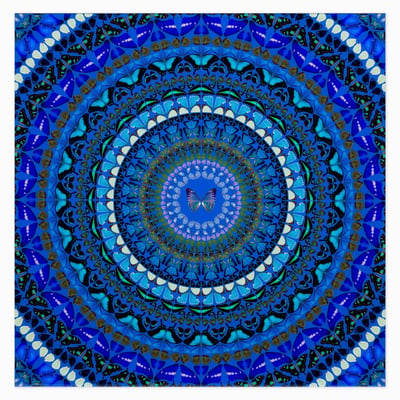
Damien Hirst
Water (H6-9), 2020
Limited Edition Print
Giclée printing
Inquire For Price
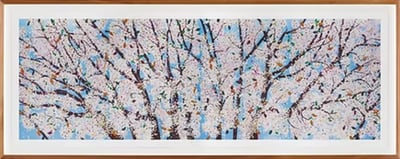
Damien Hirst
Gabriel from the Archangels H15-4, 2021
Limited Edition Print
Mixed Media
GBP 18,000 - 23,400

Damien Hirst
Blizzard H13-10 from Where The Land Meets The Sea, 2023
Limited Edition Print
Photograph
GBP 5,500 - 7,100

Damien Hirst
Colliding H13-9 from Where The Land Meets The Sea, 2023
Limited Edition Print
Photograph
GBP 7,500 - 9,700

Damien Hirst
Deadman's Cove H13-1 Where the Land Meets the Sea, 2023
Limited Edition Print
Mixed Media
GBP 5,950 - 7,700

Damien Hirst
Kingsdown Beach H13-2 from Where The Land Meets The Sea, 2023
Limited Edition Print
Mixed Media
GBP 5,950 - 7,700

Damien Hirst
Transient Ephemera from The Dreams H19-4, 2025
Limited Edition Print
Mixed Media
GBP 5,500 - 7,100
Related Articles
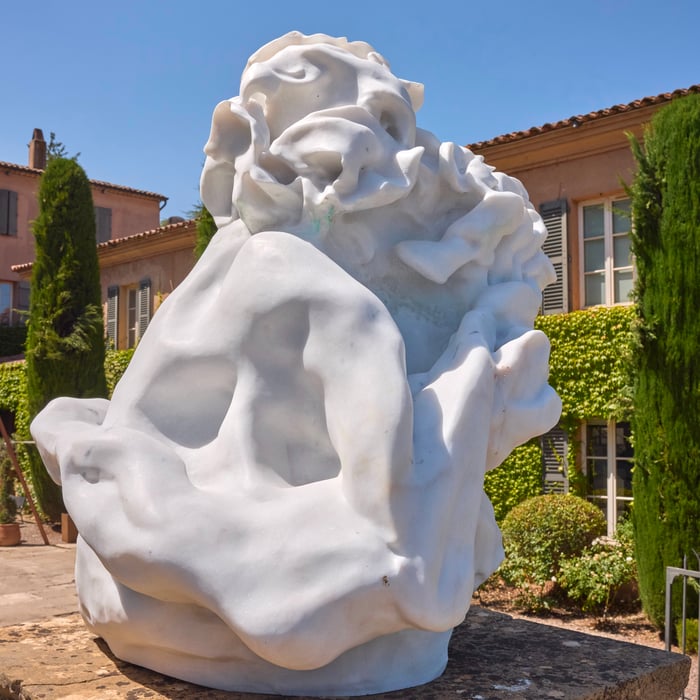
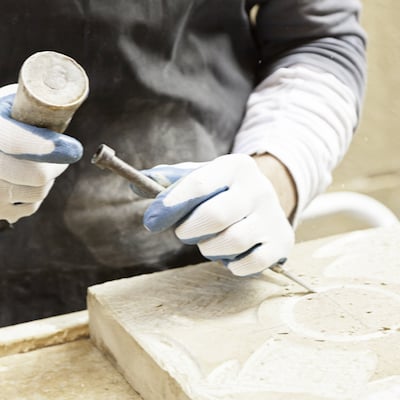
Stone is a hard, natural material found in the ground and used for various artistic purposes, such as carving statues, creating jewelry, and assembling mosaics. Artists and rock collectors often seek out interesting stones to cut, polish, and incorporate into their artwork.

EAT (Experiments in Art and Technology) was a movement formed to foster collaborations between engineers and artists. It facilitated direct, person-to-person connections between these two groups. The movement was originally launched in 1967 by artists Robert Whitman and Robert Rauschenberg, along with engineers Fred Waldhauer and Billy Klüver. EAT carried out various projects and activities that expanded the role of artists in contemporary society, encouraging the integration of art and technology.
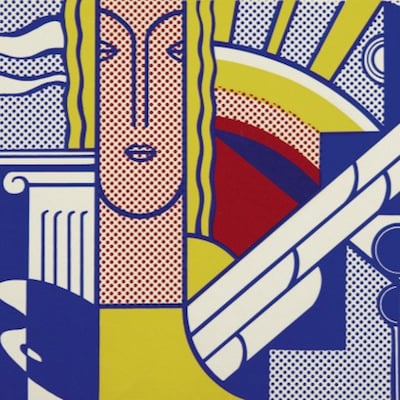
Late Modernism refers to the continuation and evolution of Modernist principles in art, architecture, and literature from the mid-20th century into the late 20th century. This movement maintains a focus on form, abstraction, and the rejection of traditional styles, but it often incorporates more complexity and ambiguity compared to early Modernism. Late Modernism explores themes such as alienation, identity, and the fragmentation of reality, reflecting the social and cultural shifts of the post-war period. It is seen in the works of architects like Louis Kahn and artists like Francis Bacon, who pushed the boundaries of Modernism while responding to the changing world around them.
Can't find your Answer?
Thank you! Your question has been sent — we'll get back to you shortly.
