Welded steel
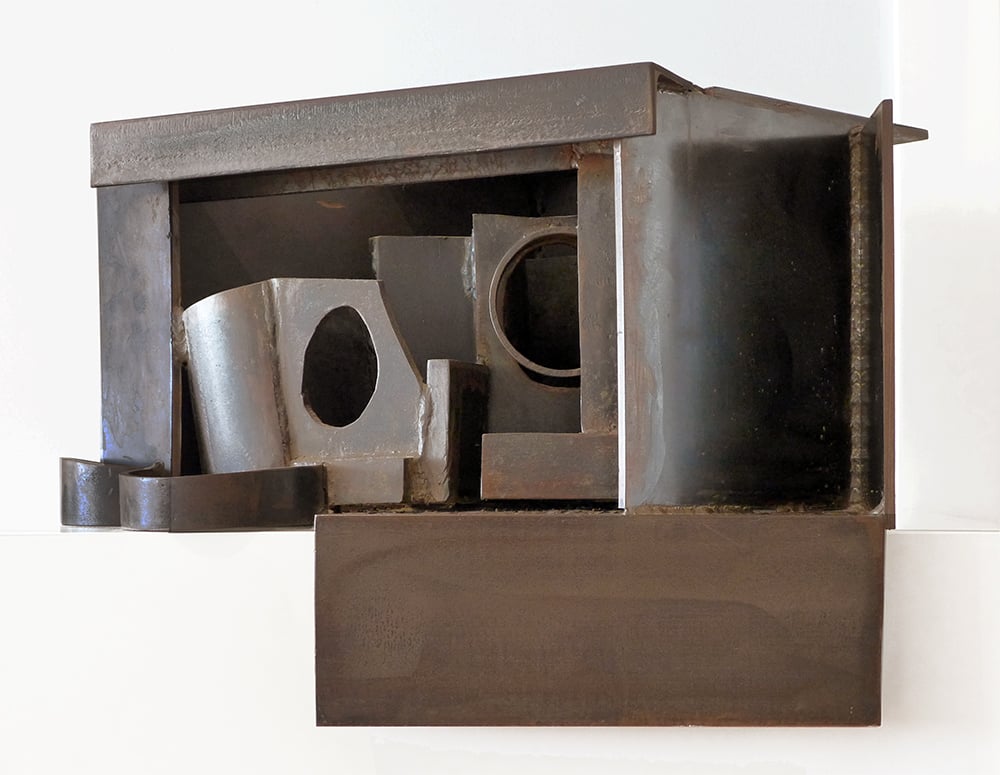
Table Piece S-13 by Anthony Caro, created in 1994, is a welded steel sculpture demonstrating Caro’s mastery in transforming industrial materials into abstract art. The sculpture features geometric forms, including rectangular and circular elements, assembled to create a compact, architectural composition. The dark, metallic surface reflects the material's raw quality while showcasing the artist’s ability to balance solidity and openness. The piece invites viewers to explore its intricate internal spaces and voids, encouraging engagement from multiple perspectives. Caro’s work continues his exploration of how sculpture interacts with space and the viewer’s perception.
Artwork Copyright © Anthony CaroAnthony Caro (UK, 1924–2013) was a pioneering modernist sculptor known for his abstract, large-scale works in steel. Rejecting traditional pedestals, he placed sculptures directly on the ground, inviting viewer interaction. Influenced by Constructivism and American Abstract Expressionism, Caro transformed post-war sculpture, leaving a lasting legacy in contemporary art.
Artwork Copyright © Anthony CaroTable piece S-13, 1994
Form
Medium
Size
- Inches
- Centimeters
Edition
Price
- Authenticity Guaranteed
- Insured Shipping
- Online Since 2005
●Inventory 9773
●Signed
●Comes with gallery invoice and certificate
●Sell Us a Similar Artwork. Learn more.
Welded steel
Table Piece S-13 by Anthony Caro, created in 1994, is a welded steel sculpture demonstrating Caro’s mastery in transforming industrial materials into abstract art. The sculpture features geometric forms, including rectangular and circular elements, assembled to create a compact, architectural composition. The dark, metallic surface reflects the material's raw quality while showcasing the artist’s ability to balance solidity and openness. The piece invites viewers to explore its intricate internal spaces and voids, encouraging engagement from multiple perspectives. Caro’s work continues his exploration of how sculpture interacts with space and the viewer’s perception.
Artwork Copyright © Anthony CaroAnthony Caro (UK, 1924–2013) was a pioneering modernist sculptor known for his abstract, large-scale works in steel. Rejecting traditional pedestals, he placed sculptures directly on the ground, inviting viewer interaction. Influenced by Constructivism and American Abstract Expressionism, Caro transformed post-war sculpture, leaving a lasting legacy in contemporary art.
Artwork Copyright © Anthony CaroAvailability
Price
Size
Form
Medium
SORT BY
Anthony Caro
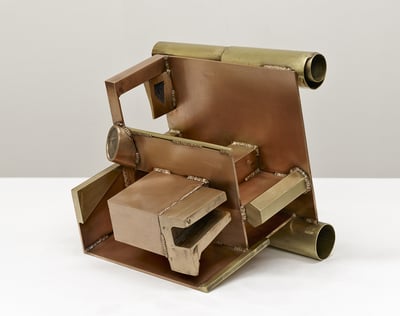
House Pitch, 2011
Sculpture / Object
Object
Inquire For Price

Anthony Caro
Sin título, 1984
Drawing / Watercolor
Pencil
EUR 5,000 - 7,000
Anthony Caro
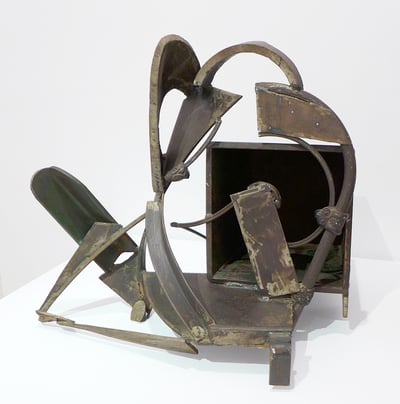
Table Piece Y-30, 1984
Sculpture / Object
Object
Inquire For Price
Anthony Caro
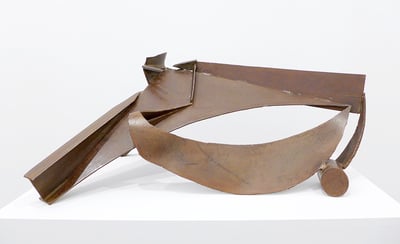
Table Piece Z-39, 1981
Sculpture / Object
Object
Inquire For Price
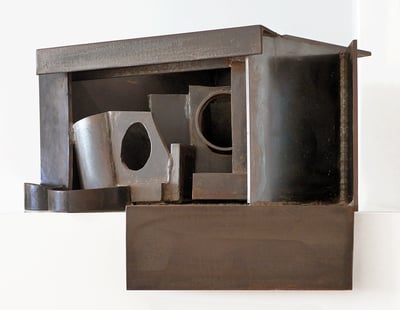
Anthony Caro
Table piece S-13, 1994
Sculpture / Object
Object
Inquire For Price
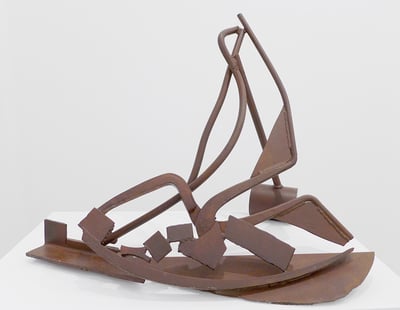
Anthony Caro
Low Table Piece CCCCXXXI, 1977
Sculpture / Object
Object
Inquire For Price
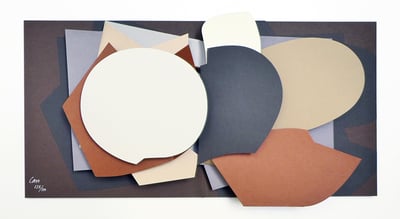
Anthony Caro
Leaf Pool, 1996 - 2000
Limited Edition Print
Assemblage
EUR 2,500 - 4,000

Anthony Caro
Untitled (Human Figure), 2003
Limited Edition Print
Lithograph
EUR 1,600
Related Artists
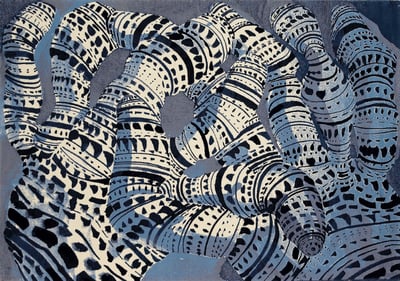

Artwork by Eduardo Chillida
What is abstract art?
Abstract art uses form, shape, line, and color to create a visual experience without attempting to represent external reality. The composition exists independently of the world's visual references, focusing on expressing ideas and emotions through non-representational means.