

Anthony Caro
© Anthony Caro. All rights reserved.
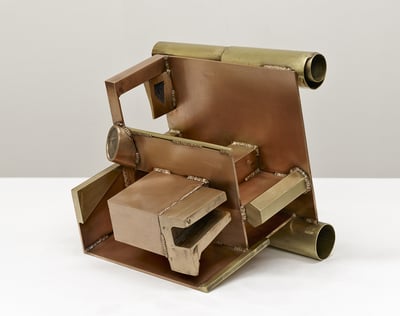
Anthony Caro
House Pitch, 2011
Sculpture / Object
Object
Inquire For Price

Anthony Caro
Sin título, 1984
Drawing / Watercolor
Pencil
EUR 5,000 - 7,000
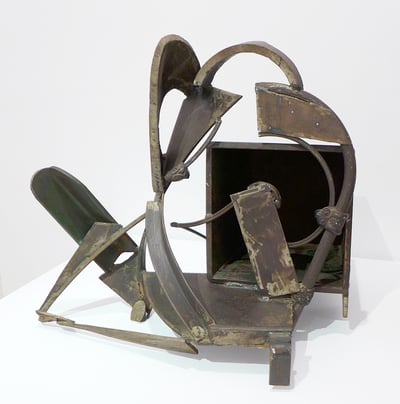
Anthony Caro
Table Piece Y-30, 1984
Sculpture / Object
Object
Inquire For Price
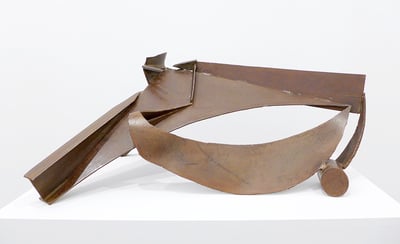
Anthony Caro
Table Piece Z-39, 1981
Sculpture / Object
Object
Inquire For Price
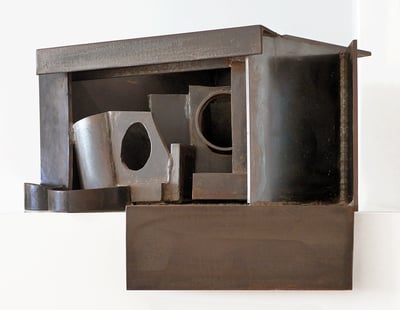
Anthony Caro
Table piece S-13, 1994
Sculpture / Object
Object
Inquire For Price
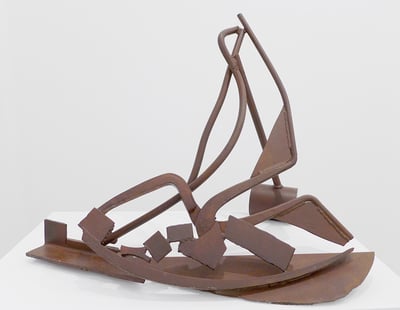
Anthony Caro
Low Table Piece CCCCXXXI, 1977
Sculpture / Object
Object
Inquire For Price
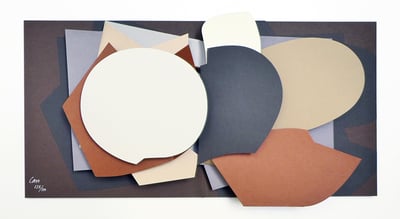
Anthony Caro
Leaf Pool, 1996 - 2000
Limited Edition Print
Assemblage
EUR 2,500 - 4,000

Anthony Caro
Untitled (Human Figure), 2003
Limited Edition Print
Lithograph
EUR 1,600
No sold works to show.
- Anthony Caro
Related Artists

Related Articles
Collecting, Popular - July 23, 2025
Sculpture Care and Display: From Plinths to Pedestals in Your Home
Learn how to display and care for sculpture at home—from lighting tips to material care—so your art can truly shine in any space.Read More
Popular, Collecting - February 21, 2025
Sculpture 101: From Clay to Bronze – How Sculptures Are Made
Discover the art of sculpture! Explore traditional techniques like carving and bronze casting, plus modern innovations like 3D printing. A journey in creativity…Read More
News, Popular, Collecting, Artists - August 12, 2026
In Minor Keys: Finding Intimacy and Identity at the 61st Venice Biennale — and in Your Collection
Explore how Koyo Kouoh’s 61st Venice Biennale vision, In Minor Keys, is shifting contemporary collecting toward quiet introspection, memory, and personal identi…Read More Artwork by Roy Lichtenstein
What is late modernism?
Late Modernism refers to the continuation and evolution of Modernist principles in art, architecture, and literature from the mid-20th century into the late 20th century. This movement maintains a focus on form, abstraction, and the rejection of traditional styles, but it often incorporates more complexity and ambiguity compared to early Modernism. Late Mode…
Explore »

