Publisher: Editions Copenhagen
Signed and numbered.
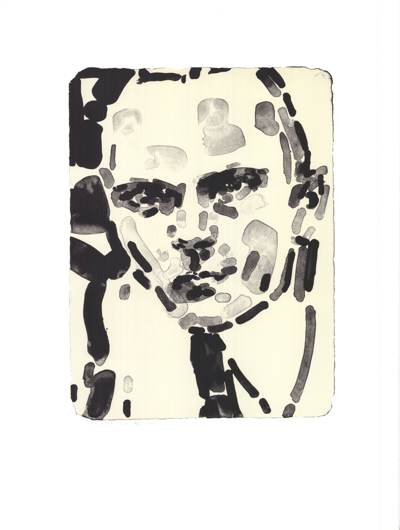
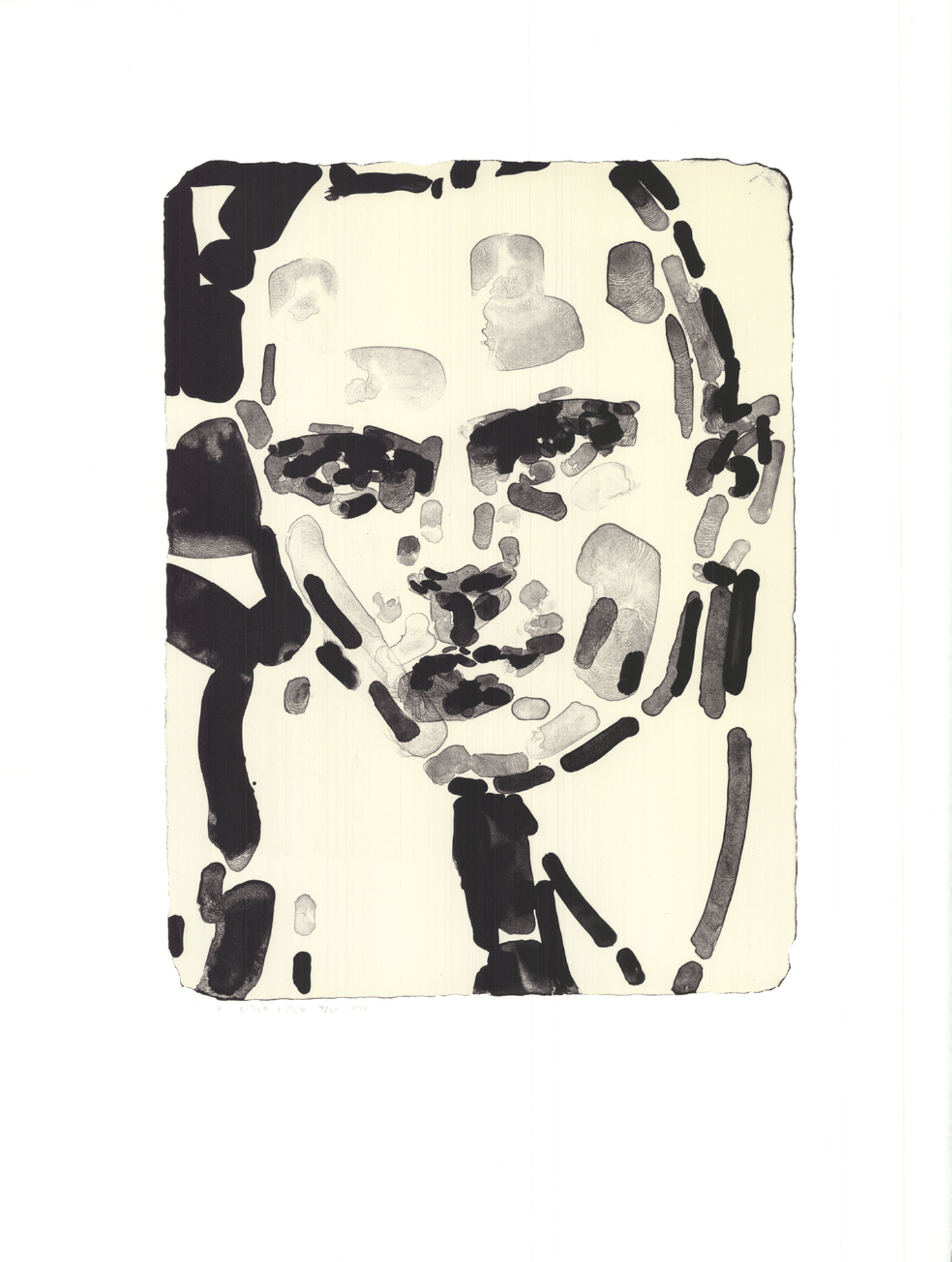
Kristian (2014) by Elizabeth Peyton is a lithograph that distills the human face into a fragmented arrangement of dark brush-like marks against a pale surface. The image is abstract yet emotive, capturing the contours of a male figure with minimal but expressive detail. Peyton’s signature style—intimate, stylized, and spontaneous—emerges clearly in the gestural ink work. The portrayal avoids direct realism, instead relying on intuition and mood to convey presence. Produced in an edition of 50, the work reflects Peyton’s continued exploration of identity through the immediacy of drawing.
Elizabeth Peyton (USA, 1965) is a contemporary painter celebrated for her intimate portraits of cultural icons, friends, and historical figures. Her work, characterized by its vibrant color palette and delicate brushstrokes, bridges personal and collective memory. Peyton’s depictions of figures like Kurt Cobain and Queen Elizabeth II have redefined portraiture in modern art.
Lithograph Lithography is a printing method based on the principle that water and oil do not mix. It can be used to print artwork or text onto paper or other suitable materials. Traditionally, an image was drawn with wax, fat, or oil onto a lithographic limestone surface or plate. Today, metal plates and other surfaces are also used in lithographic printing.
Publisher: Editions Copenhagen
Signed and numbered.
Kristian (2014) by Elizabeth Peyton is a lithograph that distills the human face into a fragmented arrangement of dark brush-like marks against a pale surface. The image is abstract yet emotive, capturing the contours of a male figure with minimal but expressive detail. Peyton’s signature style—intimate, stylized, and spontaneous—emerges clearly in the gestural ink work. The portrayal avoids direct realism, instead relying on intuition and mood to convey presence. Produced in an edition of 50, the work reflects Peyton’s continued exploration of identity through the immediacy of drawing.
Elizabeth Peyton (USA, 1965) is a contemporary painter celebrated for her intimate portraits of cultural icons, friends, and historical figures. Her work, characterized by its vibrant color palette and delicate brushstrokes, bridges personal and collective memory. Peyton’s depictions of figures like Kurt Cobain and Queen Elizabeth II have redefined portraiture in modern art.
You really need faith in yourself to make art and to stand up for what you believe in.
- Elizabeth Peyton
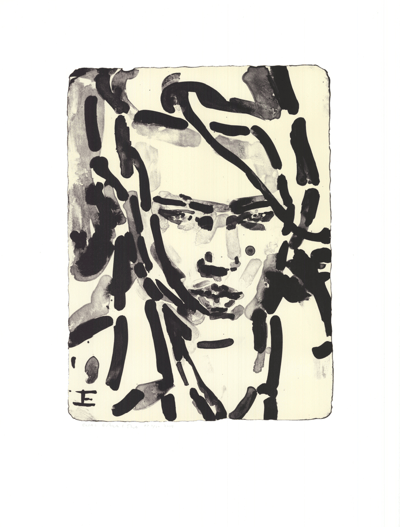
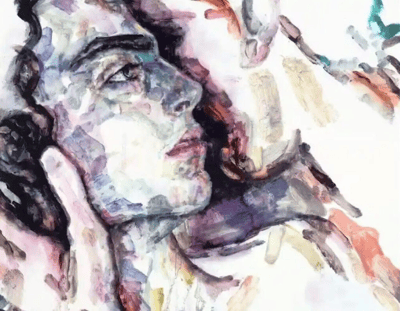
Elizabeth Peyton is an American painter who specializes in oils and has been popular since the middle of the 1990s. Her contemporary art features idealized and stylized renditions of her friends and paramours as well as monarchs from Europe and pop culture icons. The vast majority of her works have been small-scale portraits, and she claims that her inspiration comes from the work of Robert Mapplethorpe, Alfred Stieglitz and Nadar, all of whom took photographs of those close to them. Her oil works often have glazes that she allows to drip across the work, although she also has produced works in pencil, etching and watercolor. Many of her figures have feminine aspects but are generally ambiguous sexually. She uses photographs as the basis for her paintings and then paints from those. Elizabeth Peyton has also made prints -- monotypes, woodcuts and lithographs -- experimenting with a variety of techniques and different papers for the final product.
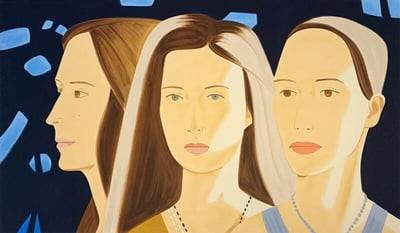
Contemporary art refers to avant-garde or innovative art created in the recent past or present day. The exact starting point of contemporary art varies depending on the institution, often tied to the founding year of museums or galleries that showcase the style. Contemporary art is characterized by its focus on current ideas, diverse media, and the exploration of new concepts and techniques.