

Folla, 1985
Form
Medium
Size
- Inches
- Centimeters
Edition
Price
- USD
- EUR
- GBP
- CHF
- Authenticity Guaranteed
- Insured Shipping
- Online Since 2005
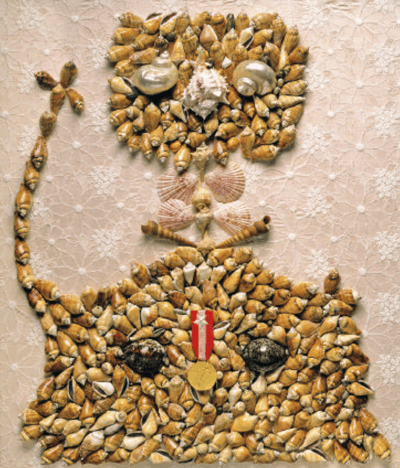
Enrico Baj
Catherine Henriette de Balzac d’Etrague Marquise de Verneuil, 1978
Sculpture / Object
Mixed Media
EUR 9,500

Enrico Baj
Horatius Nelson duke of Bronte, 1972
Limited Edition Print
Mixed Media
EUR 8,350

Enrico Baj
Sull’acqua (book), 2003
Sculpture / Object
Mixed Media
EUR 7,300

Enrico Baj
The golden Roll-Dragster, 1986
Sculpture / Object
Mixed Media
EUR 5,200

Enrico Baj
Untitled (Wooden Figure), 1980
Limited Edition Print
Mixed Media
EUR 2,100

Enrico Baj
Mic-Mac, danseus mecanique, 2001
Limited Edition Print
Collage
EUR 1,650

Enrico Baj
Maternità, 1974
Sculpture / Object
Mixed Media
EUR 4,850

Enrico Baj
Busto, 1969
Sculpture / Object
Acrylic sculpture
EUR 3,900

Enrico Baj
Testa d’uomo, 1969
Sculpture / Object
Acrylic sculpture
EUR 3,900

Enrico Baj
Figura in ginocchio, 1969
Sculpture / Object
Acrylic sculpture
EUR 3,900

Enrico Baj
Personaggio allo specchio, 1971
Limited Edition Print
Mixed Media
EUR 9,500

Enrico Baj
Cravatte, 1967
Limited Edition Print
Mixed Media
EUR 3,450

Enrico Baj
Folla, 1985
Limited Edition Print
Aquatint
EUR 2,500

Enrico Baj
Incontri ravvicinati, 1986
Limited Edition Print
Etching
EUR 4,250

Enrico Baj
Ermengarda, 1975
Limited Edition Print
Mixed Media
EUR 3,350
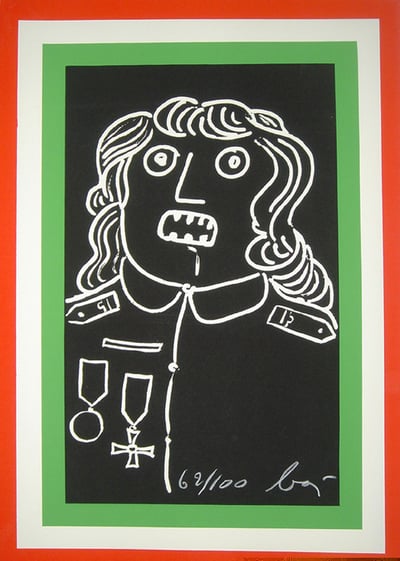
Enrico Baj
Manifesto per la mostra Enrico Baj, Palazzo dei Diamanti, Ferrara, 1977
Limited Edition Print
Silkscreen
EUR 1,500
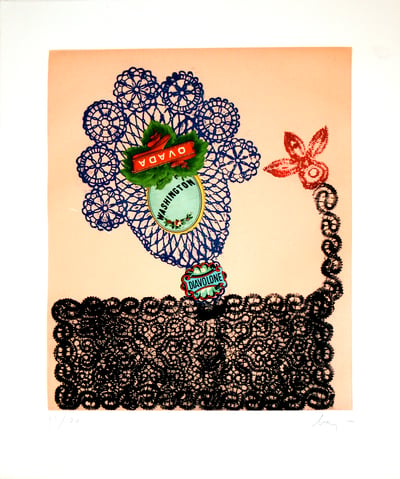
Enrico Baj
Diavolone, 1973
Limited Edition Print
Mixed Media
EUR 950

Enrico Baj
Personaggio, 1968
Limited Edition Print
Silkscreen
EUR 1,150

Enrico Baj
Generale con la sua favorita, 1978
Limited Edition Print
Etching
EUR 1,250

Enrico Baj
Personnage de guerre, 1971
Limited Edition Print
Etching
EUR 1,250
Related Artists


What is new figuration?
Neo-Figurative Art is a collective term that refers to the revival of figurative art in America and Europe during the 1960s, following a period dominated by abstraction. Michel Ragon, a French art critic, argued that this resurgence of figuration occurred during a critical time of social and political upheaval in both regions.

Enrico Baj
Folla, 1985
80 x 120 cm


