

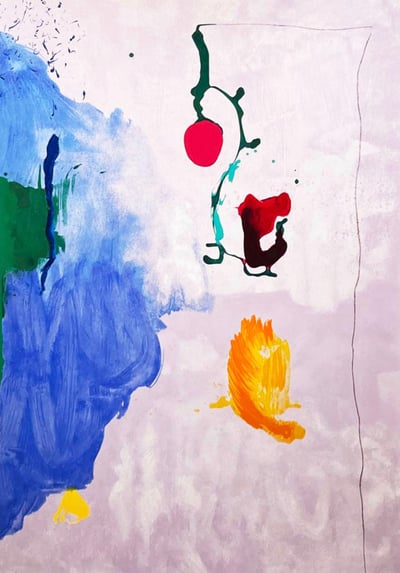
Guadalupe, 1989
Form
Medium
Size
- Inches
- Centimeters
Edition
Price
- Authenticity Guaranteed
- Insured Shipping
- Online Since 2005
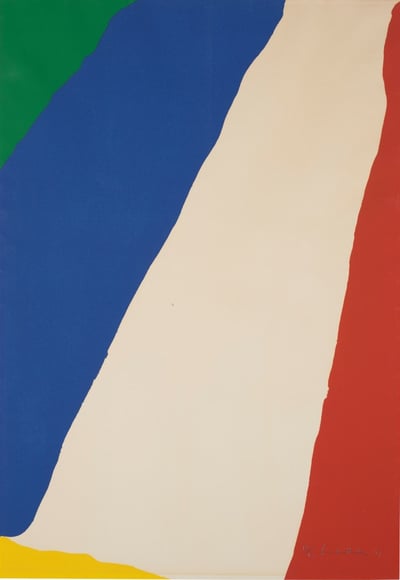
Helen Frankenthaler
Untitled, 1967
Limited Edition Print
Screen-print
Inquire For Price
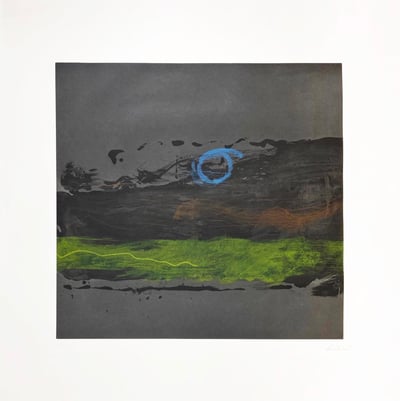
Helen Frankenthaler
Broome Street at Night, 1987
Limited Edition Print
Mixed Media
EUR 13,250

Helen Frankenthaler
Midnight, 1987
Limited Edition Print
Mixed Media
Inquire For Price
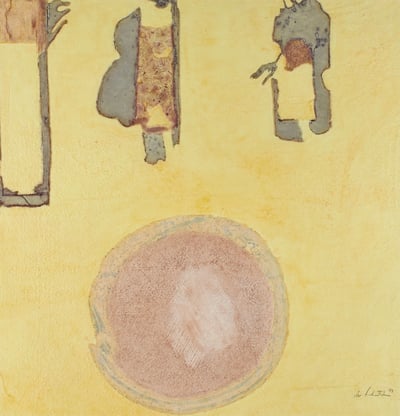
Helen Frankenthaler
Sirocco, 1989
Limited Edition Print
Mixed Media
GBP 13,000

Helen Frankenthaler
Reflections IX, 1995
Limited Edition Print
Lithograph
USD 7,150
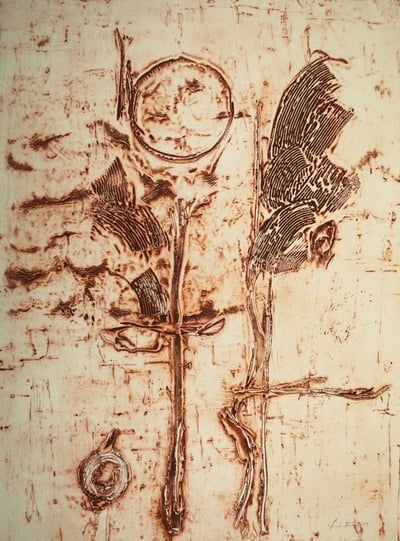
Helen Frankenthaler
Parets, 1987
Limited Edition Print
Etching
EUR 11,900
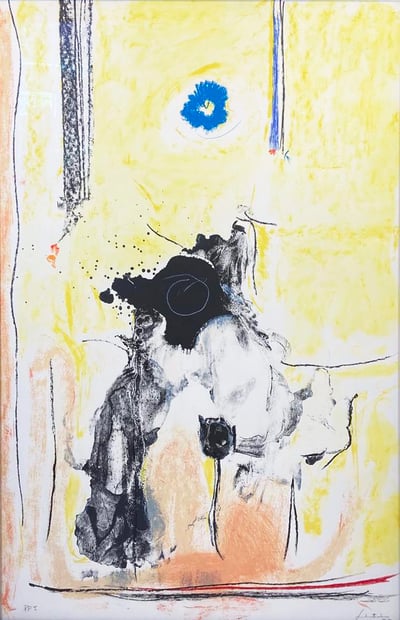
Helen Frankenthaler
Madame de Pompadour, 1985
Limited Edition Print
Lithograph
USD 14,250

Helen Frankenthaler
Valentine for Mr. Wonderful (book), 1995
Limited Edition Print
Intaglio
USD 15,700
Helen Frankenthaler
Private Listing
Limited Edition Print
request info

Helen Frankenthaler
Earth Slice, 1978
Limited Edition Print
Etching and Aquatint
USD 11,500
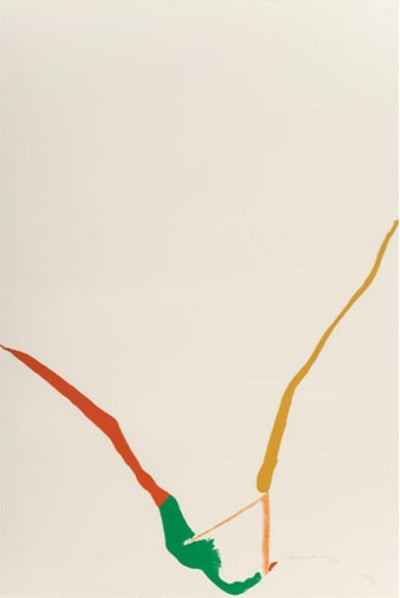
Helen Frankenthaler
Untitled (What red lines can do), 1970
Limited Edition Print
Serigraph
USD 6,700
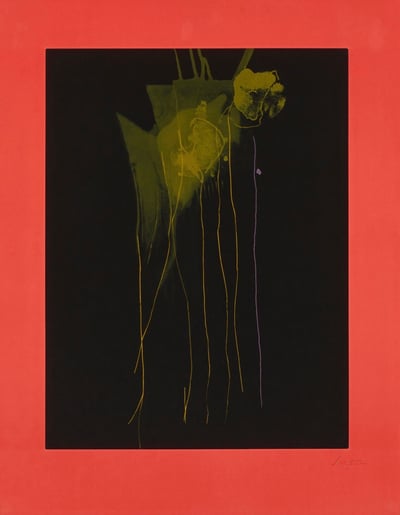
Helen Frankenthaler
Ramblas, 1987-1988
Limited Edition Print
Mixed Media
USD 9,600

Helen Frankenthaler
Aerie, 2009
Limited Edition Print
Silkscreen
USD 25,900

Helen Frankenthaler
Solar Imp, 2001
Limited Edition Print
Screen-print
Currently Not Available

Helen Frankenthaler
Pompeii Forte, 1976-82
Limited Edition Print
Etching and Aquatint
Currently Not Available

Helen Frankenthaler
Venice II, 1969-1972
Limited Edition Print
Lithograph
Currently Not Available

Helen Frankenthaler
Orange Hoop, 1965
Limited Edition Print
Lithograph
Currently Not Available
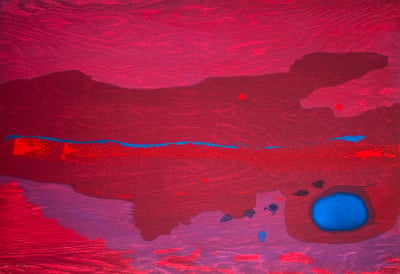
Helen Frankenthaler
Japanese Maple, 2005
Limited Edition Print
Mixed Media
Currently Not Available
Helen Frankenthaler
Eve, 1995
Limited Edition Print
Screen-print
Currently Not Available
Available works by Helen Frankenthaler
See all →Helen Frankenthaler
Untitled, 1967
Limited Edition Print
Screen-print
Inquire For Price
Helen Frankenthaler
Broome Street at Night, 1987
Limited Edition Print
Mixed Media
EUR 13,250
Helen Frankenthaler
Midnight, 1987
Limited Edition Print
Mixed Media
Inquire For Price
Helen Frankenthaler
Sirocco, 1989
Limited Edition Print
Mixed Media
GBP 13,000
Helen Frankenthaler
Reflections IX, 1995
Limited Edition Print
Lithograph
USD 7,150
Helen Frankenthaler
Parets, 1987
Limited Edition Print
Etching
EUR 11,900
Related Artists

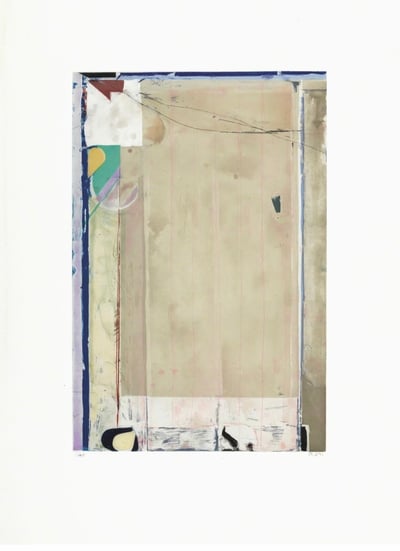


What is lyrical abstraction ?
Lyrical abstraction is a descriptive term characterizing a type of abstract painting closely related to Abstract Expressionism, in use from the 1940s to the present. The term can also describe two distinct but related trends in post-World War II modernist painting. This art movement originated in Paris, France, after the war, emphasizing personal expression, spontaneity, and the emotional use of color and form.


