

Tri-tone lithograph - Image size : 20.5 x 26.5 in (52.07 x 67.31 cm) - Edition of 200 (Unnumbered) - Blind-stamped in margin, recto
Caribbean Sea, Jamaica by Hiroshi Sugimoto, a tri-tone lithograph created in 1980, captures a serene and minimalist seascape. The image, marked by the subtle gradation between sea and sky, evokes a sense of infinite calm and timelessness. Sugimoto's meticulous attention to the delicate textures of the water creates a soft visual rhythm, emphasizing the horizon line where sea meets sky. His work is a meditation on the ephemeral and enduring aspects of nature, conveying an almost meditative silence. The simplicity and depth of the image invite viewers to lose themselves in the vast, tranquil expanse.
Artwork Copyright © Hiroshi SugimotoHiroshi Sugimoto (Japan, 1948) is a celebrated photographer and multidisciplinary artist, renowned for his black-and-white series that explore time, memory, and perception. Iconic works include 'Seascapes,' capturing serene horizons, and 'Theaters,' long exposures of illuminated screens. His art bridges conceptual and minimalist traditions, with pieces held in top museums worldwide.
Artwork Copyright © Hiroshi SugimotoCaribbean Sea, Jamaica, 1980
Form
Medium
Size
- Inches
- Centimeters
Edition
Price
Available works →
- Authenticity Guaranteed
- Insured Shipping
- Online Since 2005
●
●Inventory 9389
●Unsigned, as published
●Comes with gallery invoice and certificate
●Sell Us a Similar Artwork. Learn more.
Tri-tone lithograph - Image size : 20.5 x 26.5 in (52.07 x 67.31 cm) - Edition of 200 (Unnumbered) - Blind-stamped in margin, recto
Caribbean Sea, Jamaica by Hiroshi Sugimoto, a tri-tone lithograph created in 1980, captures a serene and minimalist seascape. The image, marked by the subtle gradation between sea and sky, evokes a sense of infinite calm and timelessness. Sugimoto's meticulous attention to the delicate textures of the water creates a soft visual rhythm, emphasizing the horizon line where sea meets sky. His work is a meditation on the ephemeral and enduring aspects of nature, conveying an almost meditative silence. The simplicity and depth of the image invite viewers to lose themselves in the vast, tranquil expanse.
Artwork Copyright © Hiroshi SugimotoHiroshi Sugimoto (Japan, 1948) is a celebrated photographer and multidisciplinary artist, renowned for his black-and-white series that explore time, memory, and perception. Iconic works include 'Seascapes,' capturing serene horizons, and 'Theaters,' long exposures of illuminated screens. His art bridges conceptual and minimalist traditions, with pieces held in top museums worldwide.
Artwork Copyright © Hiroshi Sugimoto- Recently Added
- Price (Low-High)
- Price (High-Low)
- Year (Low-High)
- Year (High-Low)
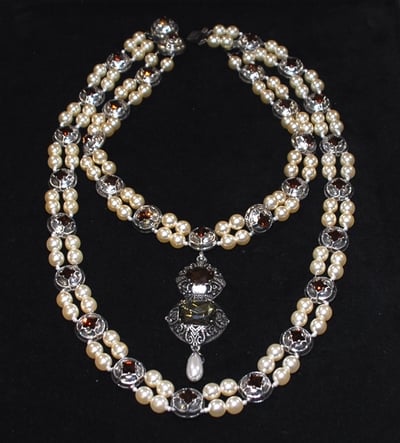
Hiroshi Sugimoto
Necklace of Jane Seymour, 2000
Sculpture / Object
Mixed Media
EUR 1,100

Hiroshi Sugimoto
Mechanical Form 0046, Material Testing Machine, 2005
Photography
Gelatin Silver Print
EUR 12,250
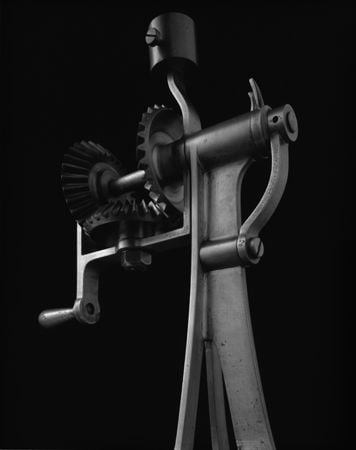
Hiroshi Sugimoto
Differential bevel gear, 2004
Photography
Gelatin Silver Print
EUR 21,400
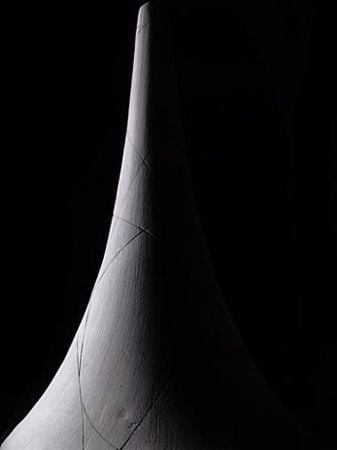
Hiroshi Sugimoto
Surface of revolution with constant negative curvature, 2004
Photography
Gelatin Silver Print
EUR 21,400
Available works by Hiroshi Sugimoto
See all →Hiroshi Sugimoto
Necklace of Jane Seymour, 2000
Sculpture / Object
Mixed Media
EUR 1,100
Hiroshi Sugimoto
Mechanical Form 0046, Material Testing Machine, 2005
Photography
Gelatin Silver Print
EUR 12,250
Hiroshi Sugimoto
Differential bevel gear, 2004
Photography
Gelatin Silver Print
EUR 21,400
Hiroshi Sugimoto
Surface of revolution with constant negative curvature, 2004
Photography
Gelatin Silver Print
EUR 21,400
Related Artists

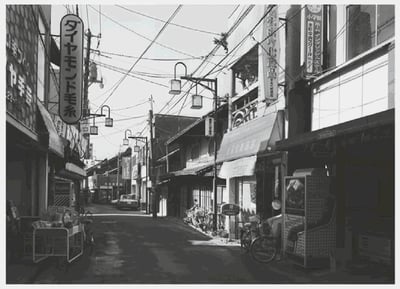

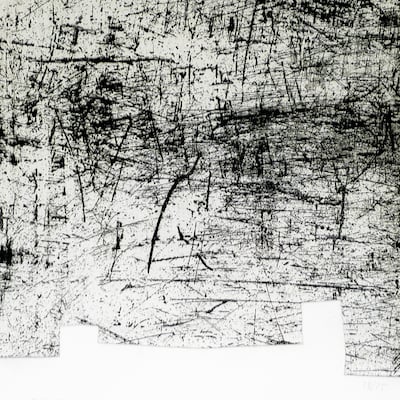
Artwork by Eduardo Chillida
What is abstract art?
Abstract art uses form, shape, line, and color to create a visual experience without attempting to represent external reality. The composition exists independently of the world's visual references, focusing on expressing ideas and emotions through non-representational means.


