

// Differential Bevel Gear by Hiroshi Sugimoto, created in 2004, is a gelatin silver print that showcases the artist's fascination with mechanical forms and precision. Captured in stark black and white, this photograph isolates an industrial gear mechanism, accentuating its intricate details and craftsmanship. The composition and lighting bring out the texture of the metal, highlighting the interplay between light and shadow on the gear’s surfaces. Sugimoto’s work often explores themes of time and existence; in this piece, the mechanical subject symbolizes human ingenuity and the passage of time, inviting contemplation on the relationship between technology and art.
Artwork Copyright © Hiroshi SugimotoHiroshi Sugimoto (Japan, 1948) is a celebrated photographer and multidisciplinary artist, renowned for his black-and-white series that explore time, memory, and perception. Iconic works include 'Seascapes,' capturing serene horizons, and 'Theaters,' long exposures of illuminated screens. His art bridges conceptual and minimalist traditions, with pieces held in top museums worldwide.
Artwork Copyright © Hiroshi SugimotoDifferential bevel gear, 2004
Form
Medium
Size
- Inches
- Centimeters
Edition
Price
- USD
- EUR
- GBP
- CHF
- Authenticity Guaranteed
- Insured Shipping
- Online Since 2005
●Inventory 1715
●Signed
●Comes with gallery invoice and certificate
●Sell Us a Similar Artwork. Learn more.
// Differential Bevel Gear by Hiroshi Sugimoto, created in 2004, is a gelatin silver print that showcases the artist's fascination with mechanical forms and precision. Captured in stark black and white, this photograph isolates an industrial gear mechanism, accentuating its intricate details and craftsmanship. The composition and lighting bring out the texture of the metal, highlighting the interplay between light and shadow on the gear’s surfaces. Sugimoto’s work often explores themes of time and existence; in this piece, the mechanical subject symbolizes human ingenuity and the passage of time, inviting contemplation on the relationship between technology and art.
Artwork Copyright © Hiroshi SugimotoHiroshi Sugimoto (Japan, 1948) is a celebrated photographer and multidisciplinary artist, renowned for his black-and-white series that explore time, memory, and perception. Iconic works include 'Seascapes,' capturing serene horizons, and 'Theaters,' long exposures of illuminated screens. His art bridges conceptual and minimalist traditions, with pieces held in top museums worldwide.
Artwork Copyright © Hiroshi Sugimoto- Recently Added
- Price (Low-High)
- Price (High-Low)
- Year (Low-High)
- Year (High-Low)
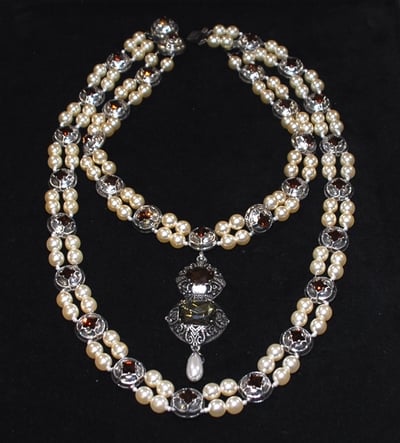
Hiroshi Sugimoto
Necklace of Jane Seymour, 2000
Sculpture / Object
Mixed Media
EUR 1,100

Hiroshi Sugimoto
Mechanical Form 0046, Material Testing Machine, 2005
Photography
Gelatin Silver Print
EUR 12,250
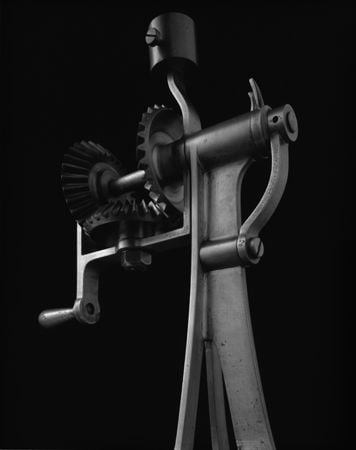
Hiroshi Sugimoto
Differential bevel gear, 2004
Photography
Gelatin Silver Print
EUR 21,400
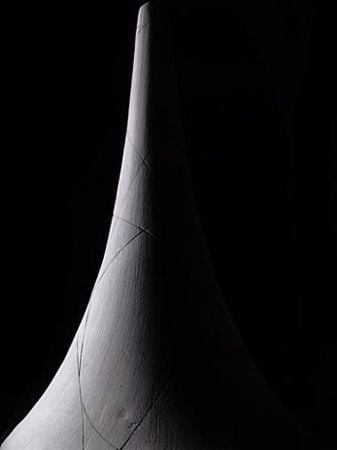
Hiroshi Sugimoto
Surface of revolution with constant negative curvature, 2004
Photography
Gelatin Silver Print
EUR 21,400
Related Artists

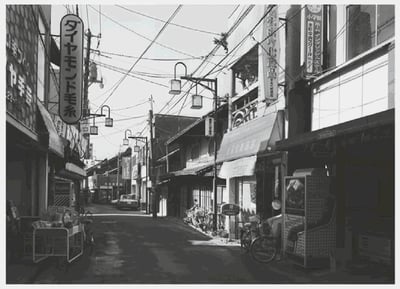



Artwork by Miles Aldridge
What is contemporary art?
Contemporary art refers to avant-garde or innovative art created in the recent past or present day. The exact starting point of contemporary art varies depending on the institution, often tied to the founding year of museums or galleries that showcase the style. Contemporary art is characterized by its focus on current ideas, diverse media, and the exploration of new concepts and techniques.


Hiroshi Sugimoto
Differential bevel gear, 2004
61 x 51 cm


