

Materials: wood, chipboard, clay, plaster, paint, high pressure laminate, jute, metal, glass, beans
Nature morte with broken necklace by Jan De Cock, created in 2013, is a mixed media sculpture that combines wood, chipboard, clay, plaster, paint, high-pressure laminate, jute, metal, glass, and beans. The piece is presented as a tall, cylindrical structure, mounted on a square platform, with a soft white palette that accentuates its minimalist aesthetic. At the top of the column-like base, an arrangement of objects includes a vessel and what appears to be fragments of a necklace, broken and casually draped. The restrained color scheme and diverse materials create a sense of fragility and contemplation, while the broken necklace suggests themes of impermanence, memory, and the passage of time. De Cock’s work often explores the intersections of form, function, and symbolism, inviting viewers to reflect on the transient nature of material possessions and their meanings.
Artwork Copyright © Jan De CockJan De Cock (Belgium, 1976) is a contemporary visual artist known for his large-scale, site-specific installations that explore the relationship between art, architecture, and space. His work often references modernist aesthetics and challenges traditional notions of sculpture. De Cock founded The Brussels Art_ Institute, a multidisciplinary workspace fostering collaboration between artists and educational institutions.
Artwork Copyright © Jan De CockNature morte with broken necklace, 2013
Form
Medium
Size
- Inches
- Centimeters
Edition
Price
- USD
- EUR
- GBP
- CHF
- Authenticity Guaranteed
- Insured Shipping
- Online Since 2005
●Inventory 7480
●Signed
●Comes with gallery invoice and certificate
●Any questions?
Materials: wood, chipboard, clay, plaster, paint, high pressure laminate, jute, metal, glass, beans
Nature morte with broken necklace by Jan De Cock, created in 2013, is a mixed media sculpture that combines wood, chipboard, clay, plaster, paint, high-pressure laminate, jute, metal, glass, and beans. The piece is presented as a tall, cylindrical structure, mounted on a square platform, with a soft white palette that accentuates its minimalist aesthetic. At the top of the column-like base, an arrangement of objects includes a vessel and what appears to be fragments of a necklace, broken and casually draped. The restrained color scheme and diverse materials create a sense of fragility and contemplation, while the broken necklace suggests themes of impermanence, memory, and the passage of time. De Cock’s work often explores the intersections of form, function, and symbolism, inviting viewers to reflect on the transient nature of material possessions and their meanings.
Artwork Copyright © Jan De CockJan De Cock (Belgium, 1976) is a contemporary visual artist known for his large-scale, site-specific installations that explore the relationship between art, architecture, and space. His work often references modernist aesthetics and challenges traditional notions of sculpture. De Cock founded The Brussels Art_ Institute, a multidisciplinary workspace fostering collaboration between artists and educational institutions.
Artwork Copyright © Jan De CockAvailability
Form
Medium
SORT BY

Jan De Cock
Nature morte with monument, 2013
Sculpture / Object
Mixed Media
EUR 19,500

Jan De Cock
Nature morte with broken necklace, 2013
Sculpture / Object
Mixed Media
EUR 19,500
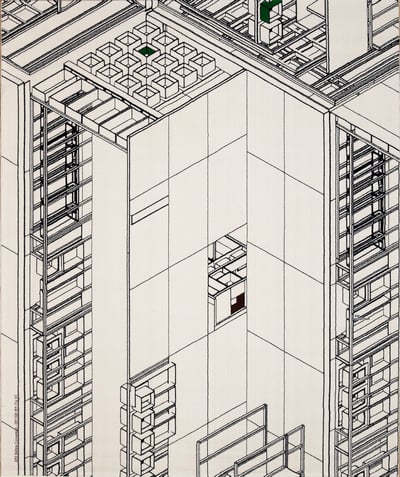
Jan De Cock
D53 Before Conversation Fig.154, 2006
Tapestry
Tapestry
EUR 11,000

Jan De Cock
D53 Before Converdation Fig.271, 2006
Tapestry
Tapestry
EUR 7,500

Jan De Cock
D53 Before Conversation Fig.267, 2006
Tapestry
Tapestry
EUR 7,500

Jan De Cock
D53 Before Conversation - fig323, 2006
Tapestry
Tapestry
EUR 6,500

Jan De Cock
D53 Before Conversation - Fig275, 2006
Tapestry
Tapestry
EUR 6,500

Jan De Cock
D53 Before Conversation - Fig252, 2006
Tapestry
Tapestry
EUR 6,500
Related Artists
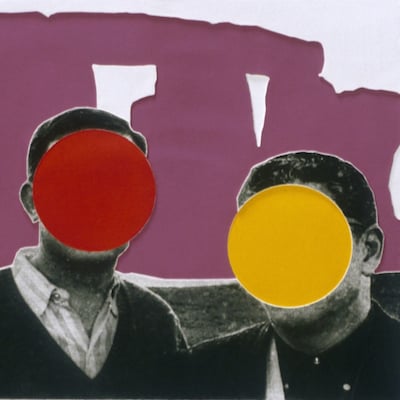
Artwork by John Baldessari
What is conceptual art?
Sometimes referred to as Conceptualism, this is an art form where the idea(s) or concept(s) behind the work take precedence over material concerns and traditional aesthetics. Many conceptual artworks can be created by anyone simply by following written instructions. The concept or idea is the most essential aspect of the artwork.



