Materials: wood, chipboard, clay, plaster, paint, high pressure laminate, metal, porcelain
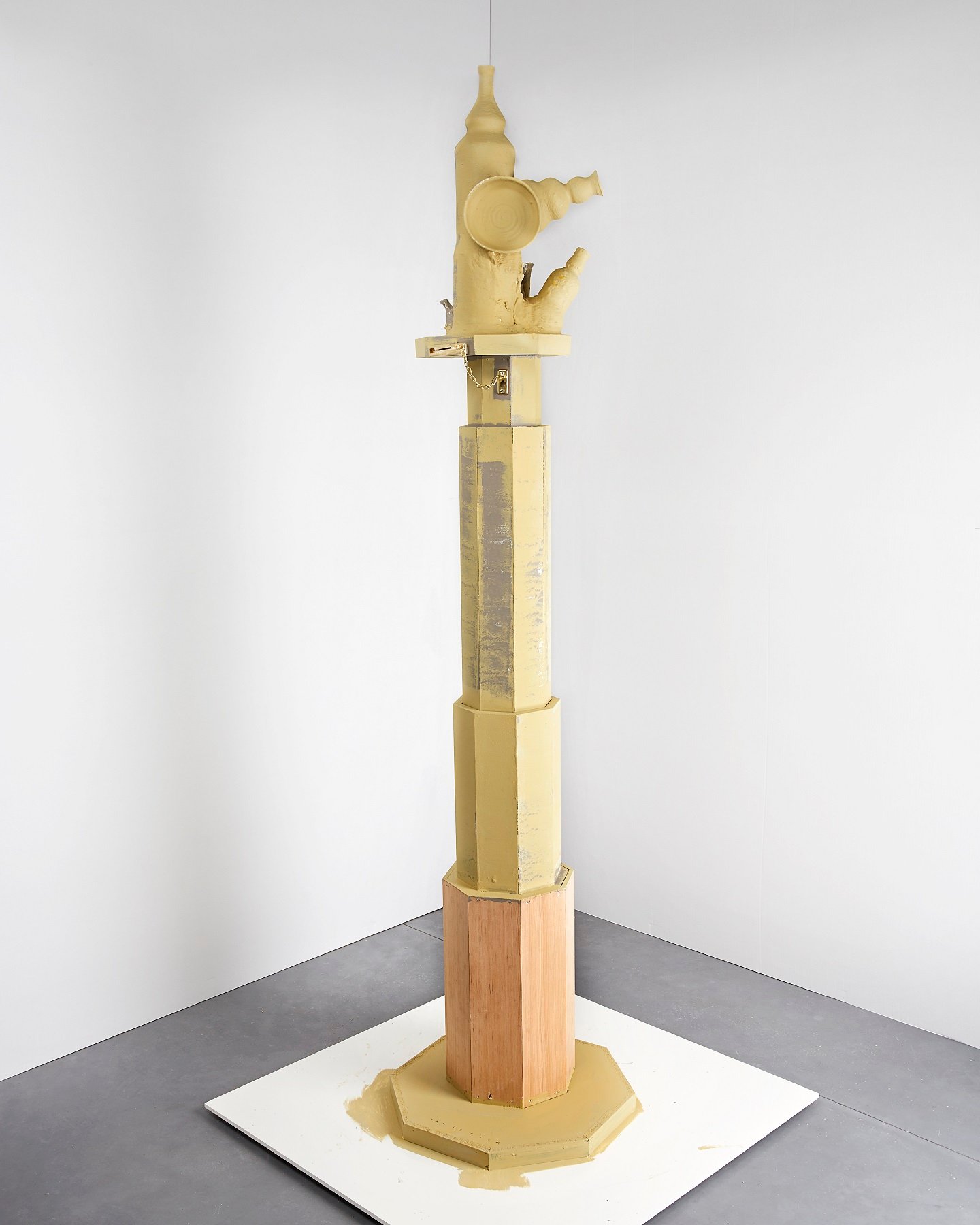
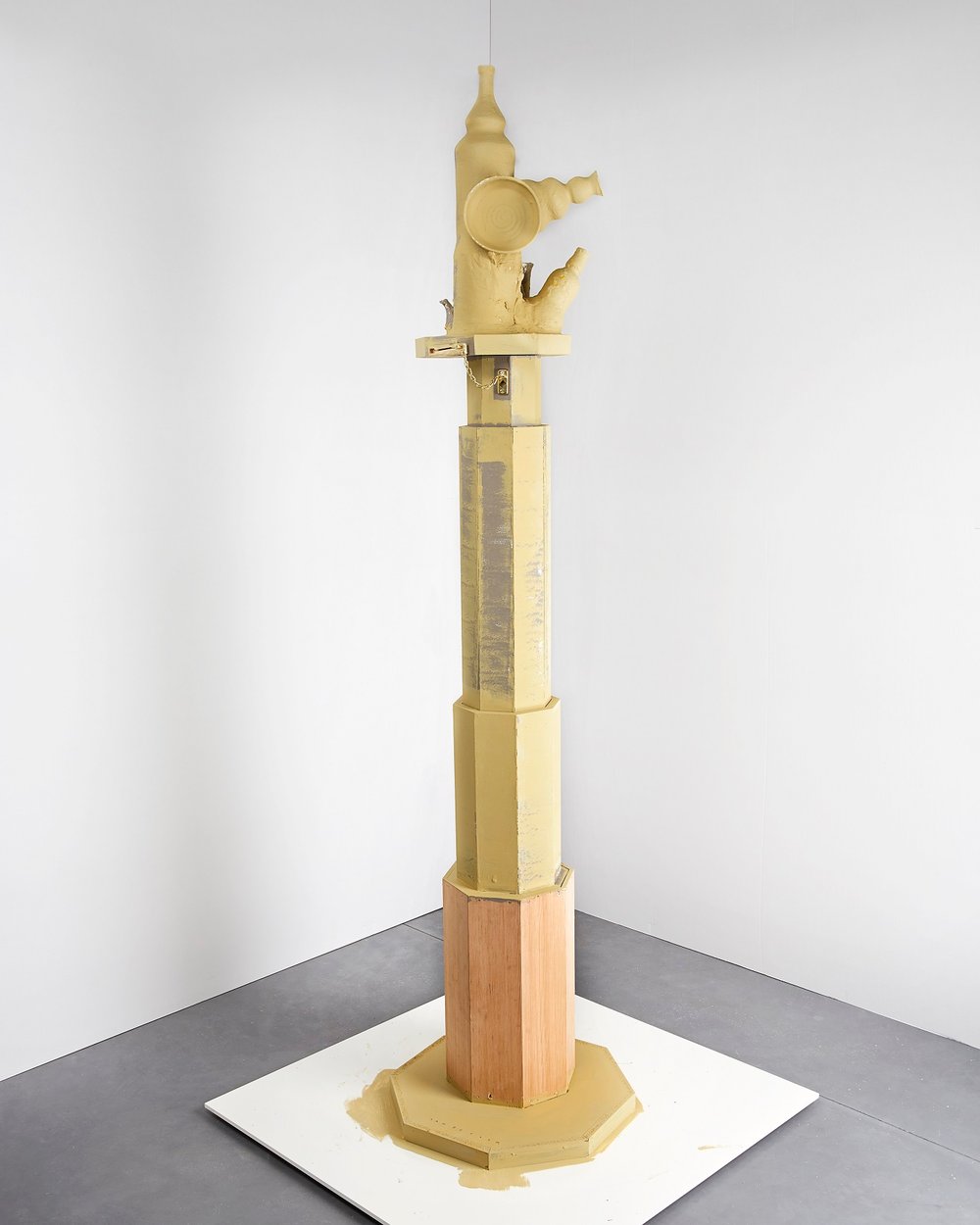
Nature morte with monument by Jan De Cock, created in 2013, is a tall mixed media sculpture that combines wood, chipboard, clay, plaster, paint, high-pressure laminate, metal, and porcelain. The piece stands like an abstracted pillar or totem, covered in a muted yellow tone, with a variety of geometric forms stacked vertically. At the top, intricate shapes suggest mechanical or industrial elements, lending the sculpture an ambiguous function that hovers between architectural structure and machine-like device. De Cock’s work often explores themes of modernity, monumentality, and the relationship between art and architecture. This piece invites viewers to contemplate the fusion of everyday materials with monumental form, blurring the line between utilitarian object and artistic expression.
Artwork Copyright © Jan De CockJan De Cock (Belgium, 1976) is a contemporary visual artist known for his large-scale, site-specific installations that explore the relationship between art, architecture, and space. His work often references modernist aesthetics and challenges traditional notions of sculpture. De Cock founded The Brussels Art_ Institute, a multidisciplinary workspace fostering collaboration between artists and educational institutions.
Artwork Copyright © Jan De CockNature morte with monument, 2013
Form
Medium
Size
- Inches
- Centimeters
Edition
Price
- USD
- EUR
- GBP
- CHF
- Authenticity Guaranteed
- Insured Shipping
- Online Since 2005
●Inventory 7484
●Signed
●Comes with gallery invoice and certificate
●Any questions?
Materials: wood, chipboard, clay, plaster, paint, high pressure laminate, metal, porcelain
Nature morte with monument by Jan De Cock, created in 2013, is a tall mixed media sculpture that combines wood, chipboard, clay, plaster, paint, high-pressure laminate, metal, and porcelain. The piece stands like an abstracted pillar or totem, covered in a muted yellow tone, with a variety of geometric forms stacked vertically. At the top, intricate shapes suggest mechanical or industrial elements, lending the sculpture an ambiguous function that hovers between architectural structure and machine-like device. De Cock’s work often explores themes of modernity, monumentality, and the relationship between art and architecture. This piece invites viewers to contemplate the fusion of everyday materials with monumental form, blurring the line between utilitarian object and artistic expression.
Artwork Copyright © Jan De CockJan De Cock (Belgium, 1976) is a contemporary visual artist known for his large-scale, site-specific installations that explore the relationship between art, architecture, and space. His work often references modernist aesthetics and challenges traditional notions of sculpture. De Cock founded The Brussels Art_ Institute, a multidisciplinary workspace fostering collaboration between artists and educational institutions.
Artwork Copyright © Jan De CockAvailability
Form
Medium
SORT BY

Jan De Cock
Nature morte with monument, 2013
Sculpture / Object
Mixed Media
EUR 19,500

Jan De Cock
Nature morte with broken necklace, 2013
Sculpture / Object
Mixed Media
EUR 19,500
Jan De Cock
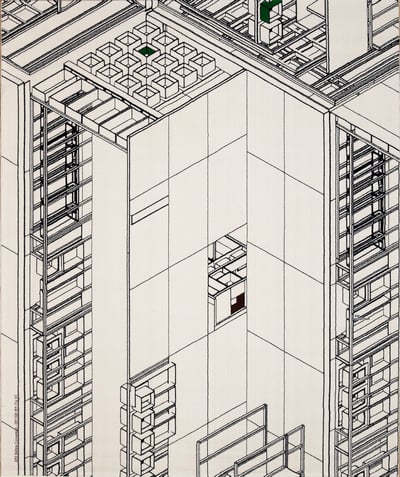
D53 Before Conversation Fig.154, 2006
Tapestry
Tapestry
EUR 11,000

Jan De Cock
D53 Before Converdation Fig.271, 2006
Tapestry
Tapestry
EUR 7,500

Jan De Cock
D53 Before Conversation Fig.267, 2006
Tapestry
Tapestry
EUR 7,500

Jan De Cock
D53 Before Conversation - fig323, 2006
Tapestry
Tapestry
EUR 6,500

Jan De Cock
D53 Before Conversation - Fig275, 2006
Tapestry
Tapestry
EUR 6,500

Jan De Cock
D53 Before Conversation - Fig252, 2006
Tapestry
Tapestry
EUR 6,500
Related Artists
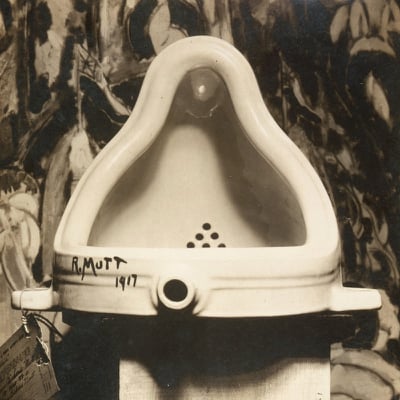
Artwork by Marcel Duchamp
What is Found Object?
A found object is a term used to describe a man-made or natural object, or a fragment of one, that an artist discovers or purchases and keeps for inspiration or as a work of art. The artist may also modify the object or incorporate it into a collage or assemblage, transforming it into a new piece of art.