Acrylic sculpture; signature on certificate; perfect condition
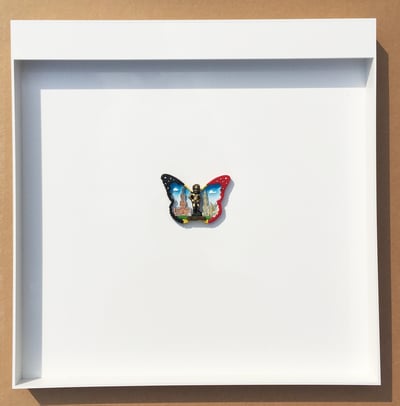
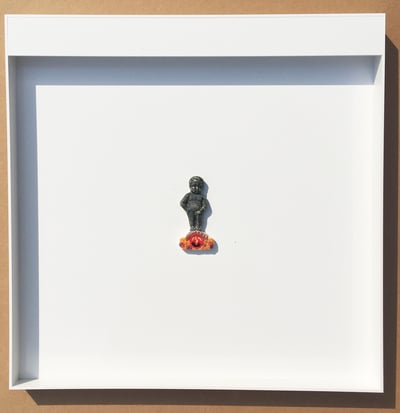
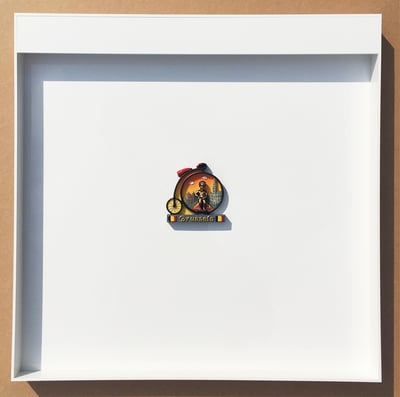
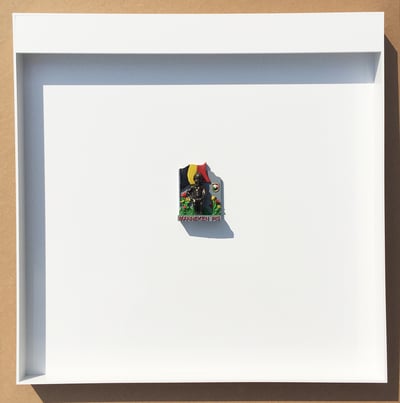
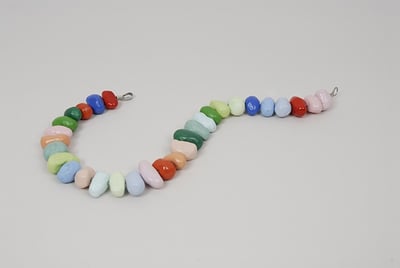
Backside Brussels III by Jonathan Monk is a clever acrylic wall sculpture from 2016 that examines themes of iconic imagery and hidden detail. The piece appears as a minimal white box with a tiny black dot in the center, which, upon investigation, represents the back of a miniature Manneken Pis sculpture on the reverse side of the box. This particular edition features a colorful, unique variant of the Manneken Pis inside, adding a playful twist to its otherwise minimalist facade. Part of a series of 14 unique sculptures, each with a different variant of the Manneken Pis, this piece encourages the viewer to look beyond the surface. Signed on a certificate, Monk’s work combines wit and simplicity, challenging perceptions and inviting curiosity in a sleek and understated form.
Jonathan Monk (UK, 1969) is a conceptual artist whose work reinterprets and challenges art history with wit and irony. Using diverse media, including photography, sculpture, and performance, he engages in playful dialogues with iconic artists and movements. Monk’s works blur originality and appropriation, inviting viewers to question the boundaries of contemporary art.
Acrylic sculptureAcrylic sculpture refers to both a process and the resulting object. The artist begins by creating a sculpture from clay, plaster, or epoxy, which is then used to make a flexible mold. Melted acrylic is poured into the mold, and once it cures, the acrylic piece is hand-finished through sanding and polishing. Acrylic sculptures are valued for their clarity, durability, and ability to achieve intricate details.
Acrylic sculpture; signature on certificate; perfect condition
Backside Brussels III by Jonathan Monk is a clever acrylic wall sculpture from 2016 that examines themes of iconic imagery and hidden detail. The piece appears as a minimal white box with a tiny black dot in the center, which, upon investigation, represents the back of a miniature Manneken Pis sculpture on the reverse side of the box. This particular edition features a colorful, unique variant of the Manneken Pis inside, adding a playful twist to its otherwise minimalist facade. Part of a series of 14 unique sculptures, each with a different variant of the Manneken Pis, this piece encourages the viewer to look beyond the surface. Signed on a certificate, Monk’s work combines wit and simplicity, challenging perceptions and inviting curiosity in a sleek and understated form.
Jonathan Monk (UK, 1969) is a conceptual artist whose work reinterprets and challenges art history with wit and irony. Using diverse media, including photography, sculpture, and performance, he engages in playful dialogues with iconic artists and movements. Monk’s works blur originality and appropriation, inviting viewers to question the boundaries of contemporary art.
Is it or is it not or can it or can it not be?
- Jonathan Monk
Jonathan Monk is a British artist living and working in Berlin, Germany. He creates photographs, film, sculpture and installation pieces which are thought to be humorous reinterpretations of works by Sol LeWitt, Ed Ruscha, and John Baldessari to name some. Monk often uses quotations to give new ideas to works viewed as seminal in their time, adding quirkiness to challenge the value of the artwork. Jonathan Monk's upbringing in a working class environment is viewed by some as his source for taking the artistic and adding the mundane in ways that encourage viewers to think differently about specific art pieces than they may have before. Jonathan Monk has works exhibited throughout the world. His Tears, 2005 photograph shows a passport photo with the eyes completely covered by a pair of drop earrings placed to represent tears. His Painting of a photo of a photo of a painting, 2008, has images of a purple vase filled with yellow sunflowers, both in photograph image and then drawn in markers. The greeting “Get Well Soon” is one of three witty, hand-lettered greetings included. These are only two of the pieces which have established Jonathan Monk's reputation as a humorist in the art world.
Sometimes referred to as Conceptualism, this is an art form where the idea(s) or concept(s) behind the work take precedence over material concerns and traditional aesthetics. Many conceptual artworks can be created by anyone simply by following written instructions. The concept or idea is the most essential aspect of the artwork.