

Wächter, 1960
Form
Medium
Size
- Inches
- Centimeters
Edition
Price
- Authenticity Guaranteed
- Insured Shipping
- Online Since 2005

Lynn Chadwick
Maquette VII Walking Couple, 1976
Sculpture / Object
Bronze
Inquire For Price

Lynn Chadwick
Study for the Watcher, 1960
Drawing / Watercolor
Ink
Inquire For Price
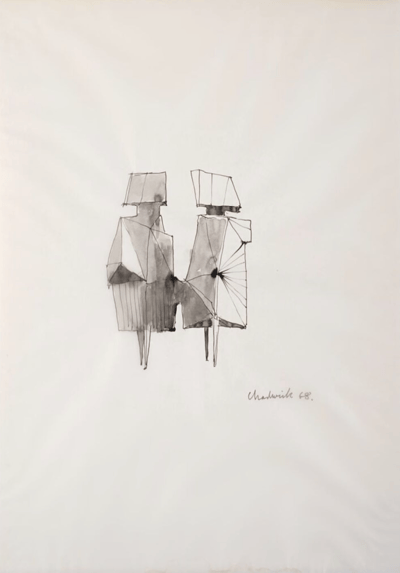
Lynn Chadwick
Two Watchers, 1968
Drawing / Watercolor
Ink
GBP 10,000 - 15,000
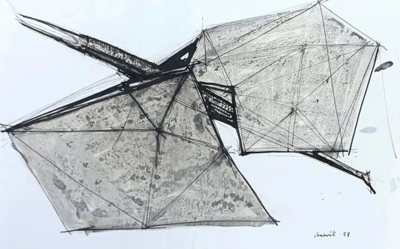
Lynn Chadwick
Study Related to Bird III, 1958
Drawing / Watercolor
Mixed Media
GBP 25,000 - 30,000
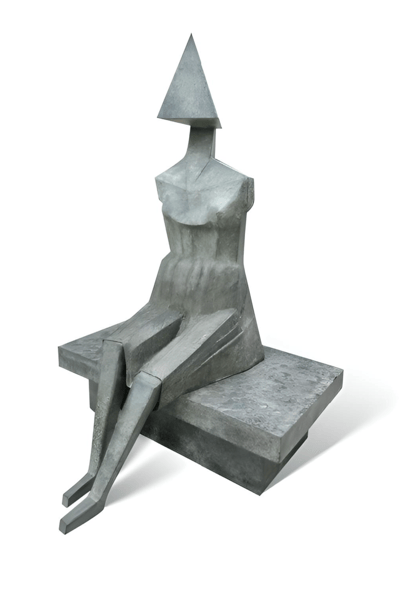
Lynn Chadwick
Little Girl III, 1987
Sculpture / Object
Bronze
Inquire For Price
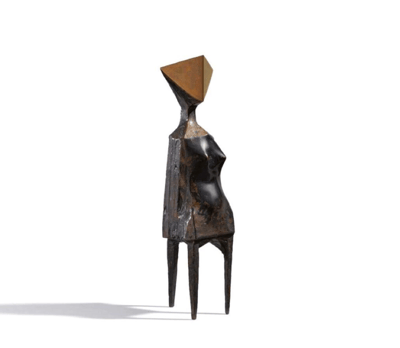
Lynn Chadwick
Little Girl, 1970
Sculpture / Object
Bronze
Inquire For Price

Lynn Chadwick
Watchers, 1960
Limited Edition Print
Lithograph
Currently Not Available
Available works by Lynn Chadwick
See all →Lynn Chadwick
Maquette VII Walking Couple, 1976
Sculpture / Object
Bronze
Inquire For Price
Lynn Chadwick
Study for the Watcher, 1960
Drawing / Watercolor
Ink
Inquire For Price
Lynn Chadwick
Two Watchers, 1968
Drawing / Watercolor
Ink
GBP 10,000 - 15,000
Lynn Chadwick
Study Related to Bird III, 1958
Drawing / Watercolor
Mixed Media
GBP 25,000 - 30,000
Lynn Chadwick
Little Girl III, 1987
Sculpture / Object
Bronze
Inquire For Price
Lynn Chadwick
Little Girl, 1970
Sculpture / Object
Bronze
Inquire For Price
Related Artists

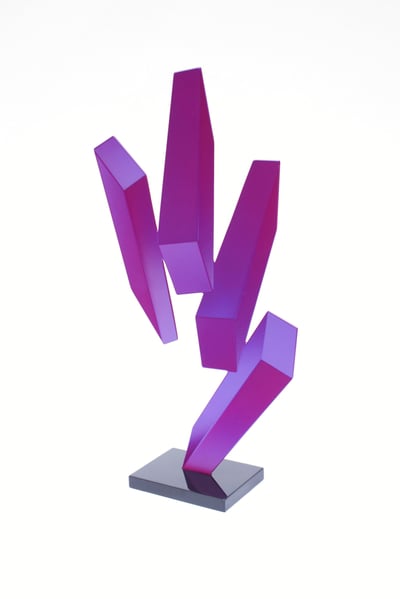

What is geometric abstract art?
Geometric abstraction is a form of abstract art that uses geometric shapes arranged in a non-illusionistic space (though not always) and combined into non-representational (non-objective) compositions. Based on years of artistic research, some artists have proposed that geometric abstraction offers a solution to modern challenges by rejecting traditional illusionistic practices in favor of clarity and simplicity.


