
Signed in pencil
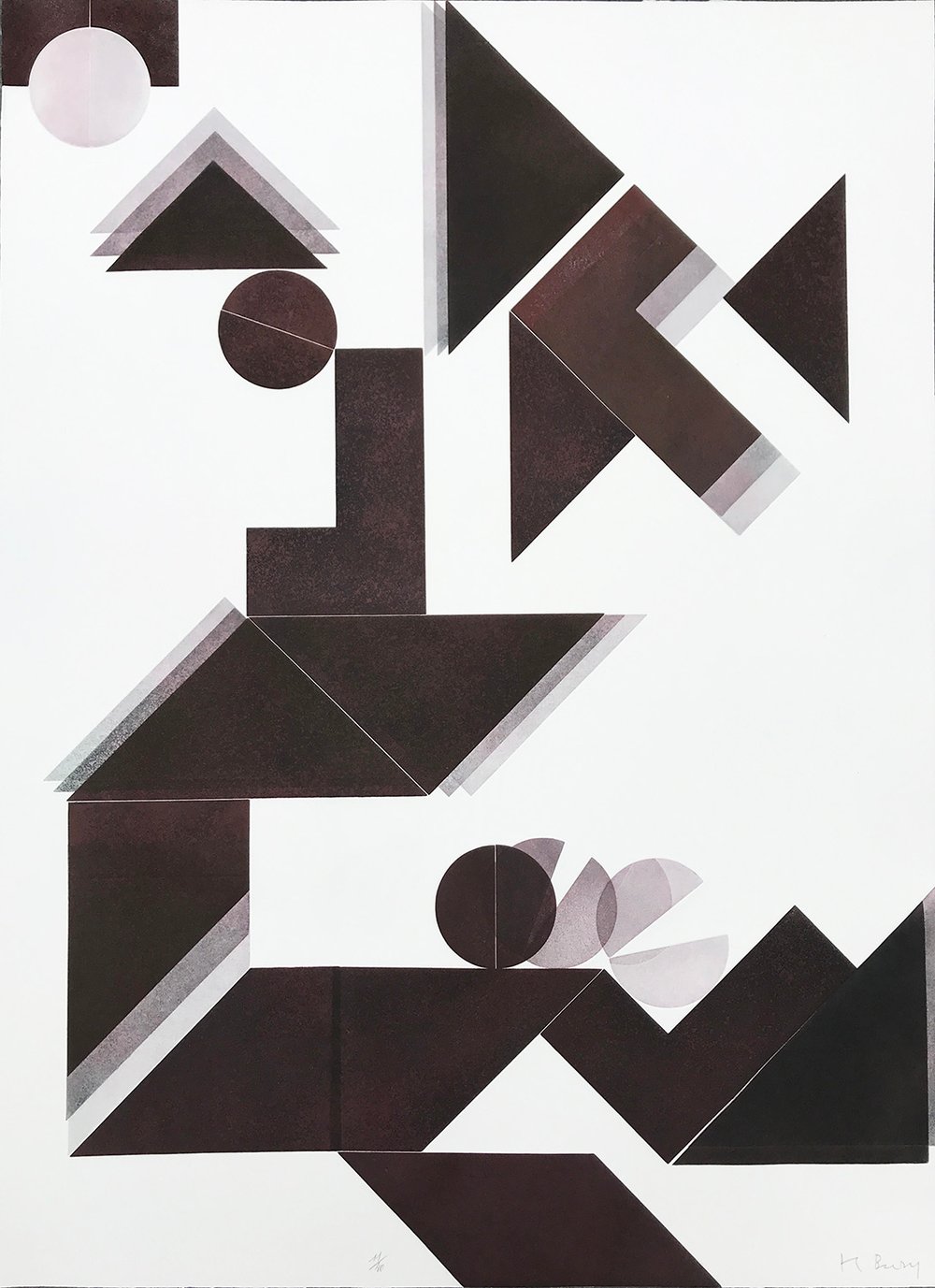
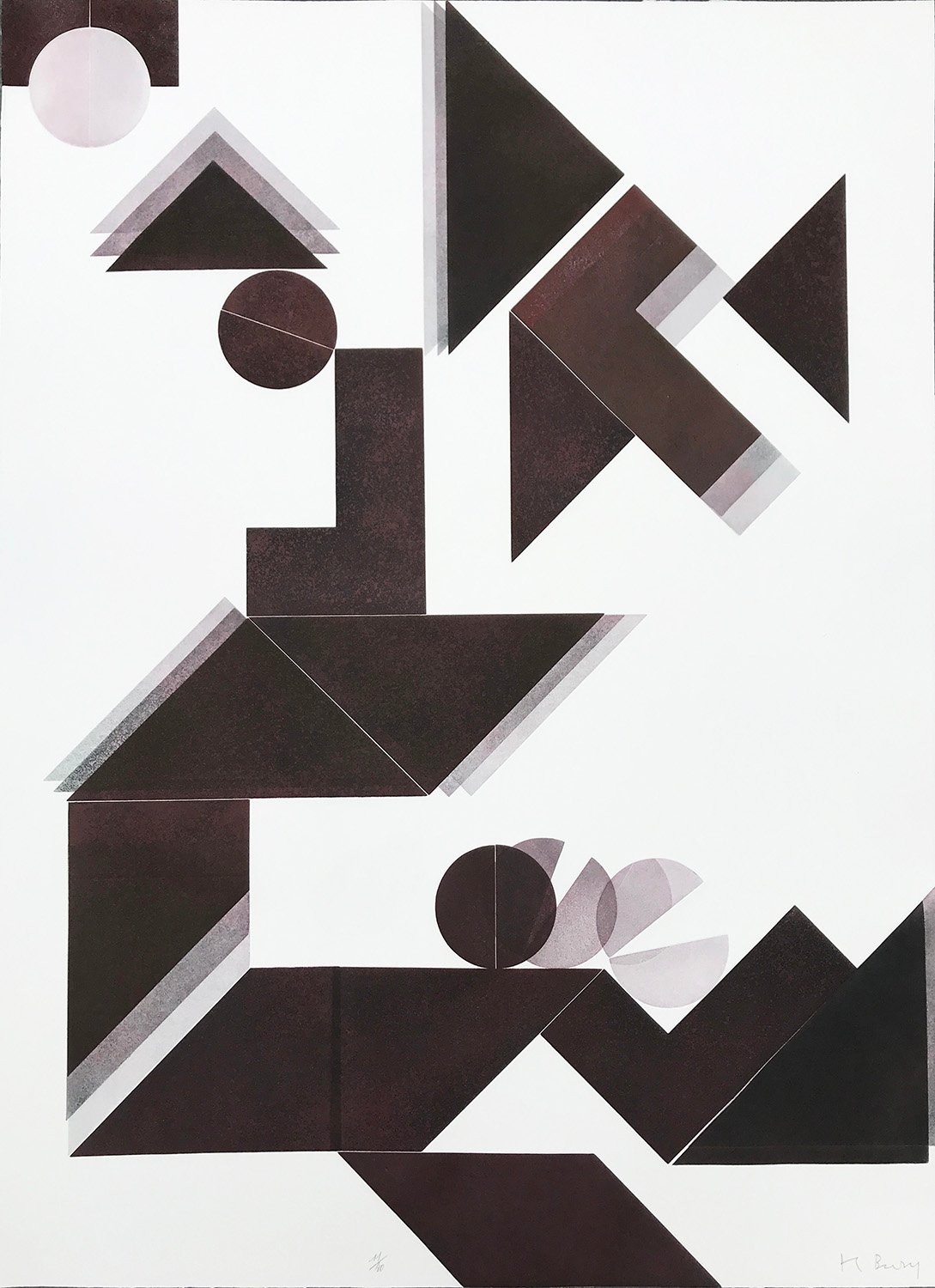
Des idées et des ombres 1 by Pol Bury, created in 1973, is a limited edition etching that explores geometric abstraction through a carefully arranged set of shapes. Composed of triangles, circles, and rectangles in shades of brown, black, and gray, the artwork exudes a sense of balance and rhythm. The forms are layered with subtle shading that suggests depth, while the title, Ideas and Shadows, hints at themes of perception and the interplay of form and void. Bury, known for his kinetic art and optical illusions, here employs static shapes to engage viewers’ visual interpretation, creating an almost architectural arrangement that feels dynamic yet contemplative. Measuring 95 cm by 70 cm, this signed piece encourages viewers to explore the shifting relationships between ideas and shadows in abstract form.
Artwork Copyright © Pol BuryPol Bury (Belgium, 1922–2005) was a sculptor and painter known for his kinetic art, blending motion and form to create meditative works. Influenced by surrealism and constructivism, he introduced slow-moving elements in his sculptures, inviting viewers to reflect on time and perception. His career also included jewelry and fountain designs.
Artwork Copyright © Pol BuryDes idées et des ombres 1, 1973
Form
Medium
Size
- Inches
- Centimeters
Edition
Price
Available works →
- Authenticity Guaranteed
- Insured Shipping
- Online Since 2005
●
●Inventory 6603
●Signed
●Comes with gallery invoice and certificate
●Sell Us a Similar Artwork. Learn more.
Signed in pencil
Des idées et des ombres 1 by Pol Bury, created in 1973, is a limited edition etching that explores geometric abstraction through a carefully arranged set of shapes. Composed of triangles, circles, and rectangles in shades of brown, black, and gray, the artwork exudes a sense of balance and rhythm. The forms are layered with subtle shading that suggests depth, while the title, Ideas and Shadows, hints at themes of perception and the interplay of form and void. Bury, known for his kinetic art and optical illusions, here employs static shapes to engage viewers’ visual interpretation, creating an almost architectural arrangement that feels dynamic yet contemplative. Measuring 95 cm by 70 cm, this signed piece encourages viewers to explore the shifting relationships between ideas and shadows in abstract form.
Artwork Copyright © Pol BuryPol Bury (Belgium, 1922–2005) was a sculptor and painter known for his kinetic art, blending motion and form to create meditative works. Influenced by surrealism and constructivism, he introduced slow-moving elements in his sculptures, inviting viewers to reflect on time and perception. His career also included jewelry and fountain designs.
Artwork Copyright © Pol BuryAvailability
Size
Medium
SORT BY

Pol Bury
Senza titolo, 1980
Limited Edition Print
Screen-print
EUR 1,950

Pol Bury
Tour Montparnasse, 1990
Limited Edition Print
Etching
EUR 650

Pol Bury
Des idées et des ombres 2, 1973
Limited Edition Print
Etching
EUR 1,250

Pol Bury
Presenza grafica, 1973
Limited Edition Print
Etching and Aquatint
Currently Not Available

Pol Bury
Des idées et des ombres 1, 1973
Limited Edition Print
Etching
Currently Not Available
Available works by Pol Bury
See all →Pol Bury
Senza titolo, 1980
Limited Edition Print
Screen-print
EUR 1,950
Pol Bury
Tour Montparnasse, 1990
Limited Edition Print
Etching
EUR 650
Pol Bury
Des idées et des ombres 2, 1973
Limited Edition Print
Etching
EUR 1,250
Related Artists



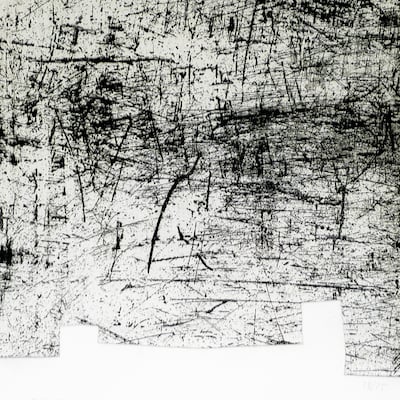
Artwork by Eduardo Chillida
What is abstract art?
Abstract art uses form, shape, line, and color to create a visual experience without attempting to represent external reality. The composition exists independently of the world's visual references, focusing on expressing ideas and emotions through non-representational means.
Pol Bury
Des idées et des ombres 1, 1973
95 x 70 cm


