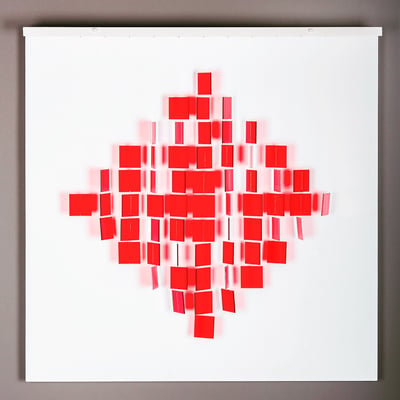
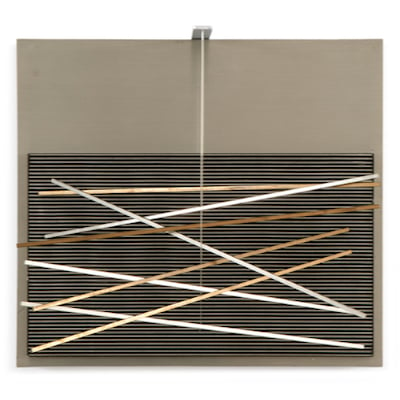
Bury, Pol | Des idées et des ombres 2, 1973 — available on Composition Gallery
Signed in pencil
Artwork Copyright © Pol Bury
Pol Bury (Belgium, 1922–2005) was a sculptor and painter known for his kinetic art, blending motion and form to create meditative works. Influenced by surrealism and constructivism, he introduced slow-moving elements in his sculptures, inviting viewers to reflect on time and perception. His career also included jewelry and fountain designs.
Artwork Copyright © Pol Bury

Des idées et des ombres 2, 1973

Form

Medium

Edition

  • Authenticity Guaranteed
  • Insured Shipping
  • Online Since 2005
Inventory 6604
Signed
Comes with gallery invoice and certificate
Sell Us a Similar Artwork. Learn more.
Signed in pencil
Artwork Copyright © Pol Bury
Pol Bury (Belgium, 1922–2005) was a sculptor and painter known for his kinetic art, blending motion and form to create meditative works. Influenced by surrealism and constructivism, he introduced slow-moving elements in his sculptures, inviting viewers to reflect on time and perception. His career also included jewelry and fountain designs.
Artwork Copyright © Pol Bury
Senza titolo

Pol Bury

Senza titolo, 1980

Limited Edition Print

Screen-print

EUR 1,950

Tour Montparnasse

Pol Bury

Tour Montparnasse, 1990

Limited Edition Print

Etching

EUR 650

Des idées et des ombres 2

Pol Bury

Des idées et des ombres 2, 1973

Limited Edition Print

Etching

EUR 1,250

Presenza grafica

Pol Bury

Presenza grafica, 1973

Limited Edition Print

Etching and Aquatint

Currently Not Available

Des idées et des ombres 1

Pol Bury

Des idées et des ombres 1, 1973

Limited Edition Print

Etching

Currently Not Available

Stay Updated on Pol Bury

Subscribe to receive updates on new artworks, exhibitions and news about Pol Bury.

We respect your privacy and protect your information.
What is kinetic art?

What is kinetic art?

Kinetic art is an international movement that emerged in the 1920s and gained prominence in the 1960s, referring to art that involves both apparent and real motion. It encompasses any medium that includes movement, either relying on actual motion for its effect or being perceived as moving by the viewer. Early examples include canvas paintings designed to create optical illusions of movement. Today, kinetic art often refers to three-dimensional figures and sculptures, such as those operated by machines or those that move naturally. The movement covers a variety of styles and techniques that frequently overlap.

Bury, Pol | Des idées et des ombres 2, 1973 — available on Composition Gallery

Pol Bury

Des idées et des ombres 2, 1973

69 x 95 cm

Est. 2005 — twenty years of collecting, online.