

// Pol Bury’s Senza titolo is a striking, surreal screen print featuring an abstracted architectural structure that appears to be in a state of transformation. The tall, tower-like form twists and contorts, with geometric patterns and distorted lines creating a sense of movement and instability. Known for his kinetic sculptures, Bury brings a sense of fluidity and tension to this two-dimensional work, making the structure appear as though it is both deconstructing and reassembling itself. The monochromatic palette emphasizes the intricate details of the lines and shapes, further enhancing the visual complexity of the piece. The artwork evokes themes of impermanence and transformation, reflecting Bury's fascination with the manipulation of form and space. This limited edition screen print captures the artist's unique ability to convey motion and dynamism through static imagery.
Artwork Copyright © Pol BuryPol Bury (Belgium, 1922–2005) was a sculptor and painter known for his kinetic art, blending motion and form to create meditative works. Influenced by surrealism and constructivism, he introduced slow-moving elements in his sculptures, inviting viewers to reflect on time and perception. His career also included jewelry and fountain designs.
Artwork Copyright © Pol BurySenza titolo, 1980
Form
Medium
Size
- Inches
- Centimeters
Edition
Price
- USD
- EUR
- GBP
- CHF
- Authenticity Guaranteed
- Insured Shipping
- Online Since 2005
●Inventory 13485
●Signed
●Comes with gallery invoice and certificate
●Sell Us a Similar Artwork. Learn more.
// Pol Bury’s Senza titolo is a striking, surreal screen print featuring an abstracted architectural structure that appears to be in a state of transformation. The tall, tower-like form twists and contorts, with geometric patterns and distorted lines creating a sense of movement and instability. Known for his kinetic sculptures, Bury brings a sense of fluidity and tension to this two-dimensional work, making the structure appear as though it is both deconstructing and reassembling itself. The monochromatic palette emphasizes the intricate details of the lines and shapes, further enhancing the visual complexity of the piece. The artwork evokes themes of impermanence and transformation, reflecting Bury's fascination with the manipulation of form and space. This limited edition screen print captures the artist's unique ability to convey motion and dynamism through static imagery.
Artwork Copyright © Pol BuryPol Bury (Belgium, 1922–2005) was a sculptor and painter known for his kinetic art, blending motion and form to create meditative works. Influenced by surrealism and constructivism, he introduced slow-moving elements in his sculptures, inviting viewers to reflect on time and perception. His career also included jewelry and fountain designs.
Artwork Copyright © Pol BuryAvailability
Size
Medium
SORT BY

Pol Bury
Senza titolo, 1980
Limited Edition Print
Screen-print
EUR 1,950

Pol Bury
Tour Montparnasse, 1990
Limited Edition Print
Etching
EUR 650

Pol Bury
Des idées et des ombres 2, 1973
Limited Edition Print
Etching
EUR 1,250

Pol Bury
Presenza grafica, 1973
Limited Edition Print
Etching and Aquatint
Currently Not Available

Pol Bury
Des idées et des ombres 1, 1973
Limited Edition Print
Etching
Currently Not Available
Related Artists


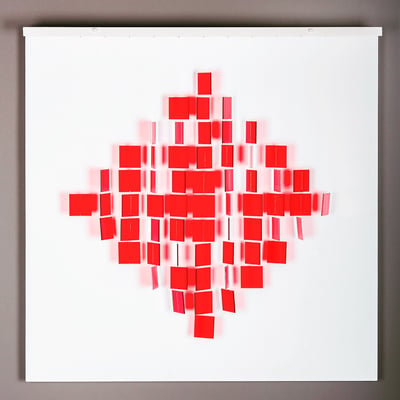

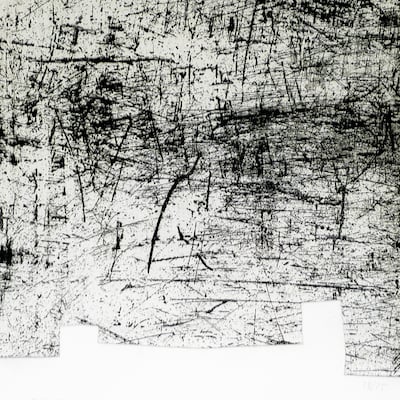
Artwork by Eduardo Chillida
What is abstract art?
Abstract art uses form, shape, line, and color to create a visual experience without attempting to represent external reality. The composition exists independently of the world's visual references, focusing on expressing ideas and emotions through non-representational means.

Pol Bury
Senza titolo, 1980
160 x 80 cm


