

Blue Surround, 1982
Form
Medium
Size
- Inches
- Centimeters
Edition
Price
- Authenticity Guaranteed
- Insured Shipping
- Online Since 2005

Richard Diebenkorn
Folsom Street Variations II (Grey), 1986
Limited Edition Print
Mixed Media
USD 10,800

Richard Diebenkorn
Spade Drypoint, 1982
Limited Edition Print
Drypoint
Inquire For Price

Richard Diebenkorn
Sugarlift Spade, 1982
Limited Edition Print
Aquatint
Inquire For Price
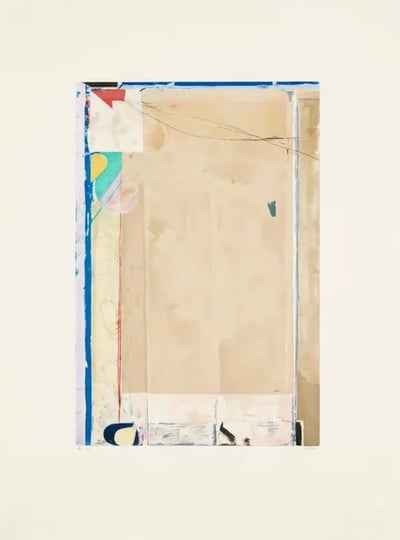
Richard Diebenkorn
Touched Red, 1991
Limited Edition Print
Mixed Media
Inquire For Price

Richard Diebenkorn
Seated woman, 1965
Limited Edition Print
Lithograph
USD 3,250

Richard Diebenkorn
Double Map of Ireland, 1990
Limited Edition Print
Etching
USD 2,990
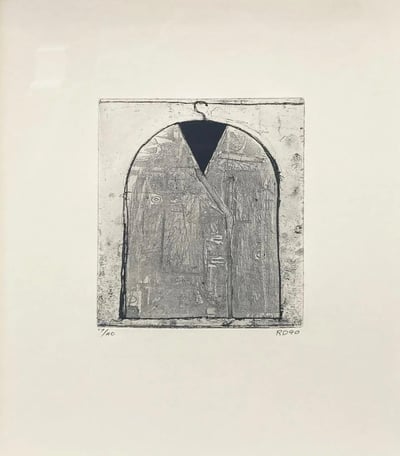
Richard Diebenkorn
Coat IV, 1990
Limited Edition Print
Etching
USD 2,650

Richard Diebenkorn
Untitled (for Harvey Gantt), 1990
Limited Edition Print
Lithograph
USD 3,400

Richard Diebenkorn
Untitled (from Club/Spade Group '81-82), 1986
Limited Edition Print
Lithograph
Inquire For Price

Richard Diebenkorn
Seated Woman in Arm Chair, 1965
Limited Edition Print
Lithograph
Currently Not Available

Richard Diebenkorn
Green Tree Spade, 1982
Limited Edition Print
Mixed Media
Currently Not Available

Richard Diebenkorn
Softground Y, 1982
Limited Edition Print
Etching
Currently Not Available
Available works by Richard Diebenkorn
See all →Richard Diebenkorn
Folsom Street Variations II (Grey), 1986
Limited Edition Print
Mixed Media
USD 10,800
Richard Diebenkorn
Spade Drypoint, 1982
Limited Edition Print
Drypoint
Inquire For Price
Richard Diebenkorn
Sugarlift Spade, 1982
Limited Edition Print
Aquatint
Inquire For Price
Richard Diebenkorn
Touched Red, 1991
Limited Edition Print
Mixed Media
Inquire For Price
Richard Diebenkorn
Seated woman, 1965
Limited Edition Print
Lithograph
USD 3,250
Richard Diebenkorn
Double Map of Ireland, 1990
Limited Edition Print
Etching
USD 2,990
Related Artists


What is abstract art?
Abstract art uses form, shape, line, and color to create a visual experience without attempting to represent external reality. The composition exists independently of the world's visual references, focusing on expressing ideas and emotions through non-representational means.


