

Fox, 2009
Form
Medium
Size
- Inches
- Centimeters
Edition
Price
- USD
- EUR
- GBP
- CHF
- Authenticity Guaranteed
- Insured Shipping
- Online Since 2005

Robert Cottingham
L (from An American Alphabet), 2005
Limited Edition Print
Lithograph
Inquire For Price
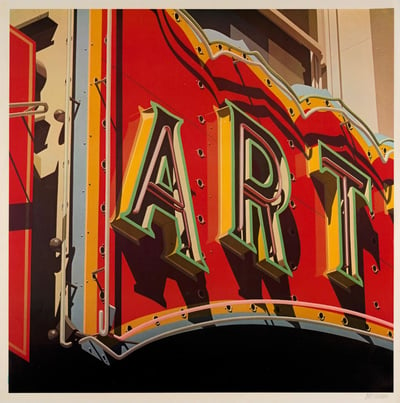
Robert Cottingham
Art , 1973
Limited Edition Print
Offset Print
USD 1,350
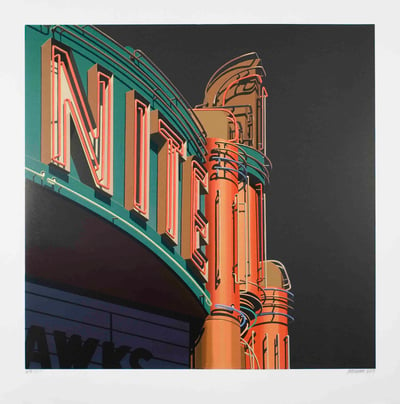
Robert Cottingham
NITE, 2009
Limited Edition Print
Serigraph
USD 1,150
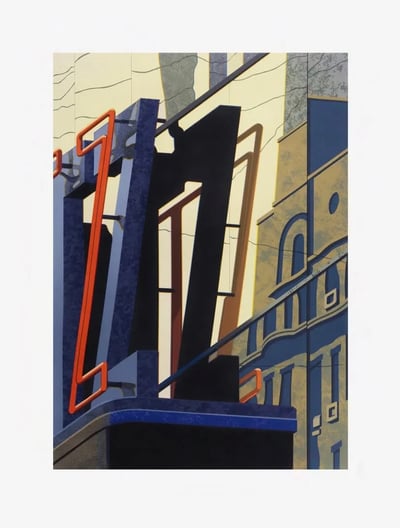
Robert Cottingham
The Letter Z, 2001
Limited Edition Print
Lithograph
USD 1,350
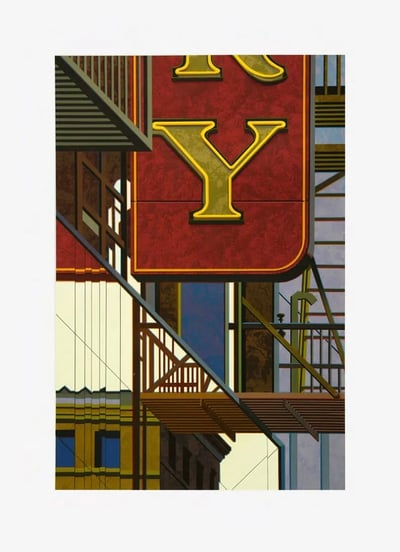
Robert Cottingham
The Letter Y, 2001
Limited Edition Print
Lithograph
USD 1,350

Robert Cottingham
American Hi-Fi, 2009
Limited Edition Print
Screen-print
USD 1,250

Robert Cottingham
Fox, 2009
Limited Edition Print
Screen-print
USD 1,250

Robert Cottingham
Rialto, 2009
Limited Edition Print
Screen-print
Inquire For Price

Robert Cottingham
Blues, 2009
Limited Edition Print
Screen-print
Inquire For Price

Robert Cottingham
Art, 2009
Limited Edition Print
Serigraph
USD 1,350

Robert Cottingham
The Letter N, 2001
Limited Edition Print
Lithograph
USD 1,350
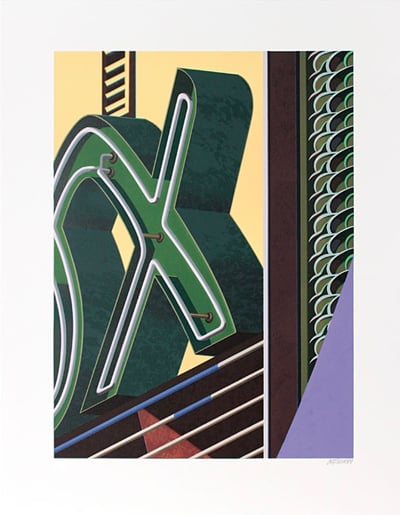
Robert Cottingham
The Letter X, 2001
Limited Edition Print
Lithograph
USD 1,100
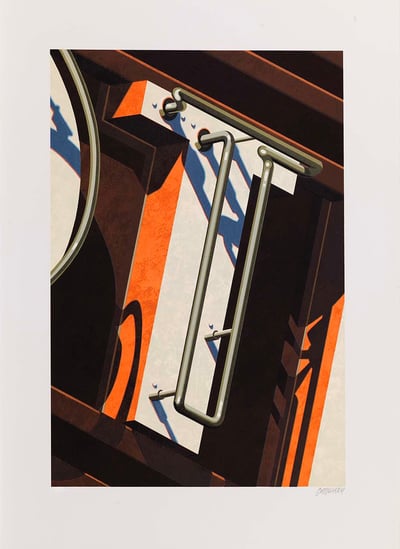
Robert Cottingham
The Letter T, 2001
Limited Edition Print
Lithograph
USD 1,100
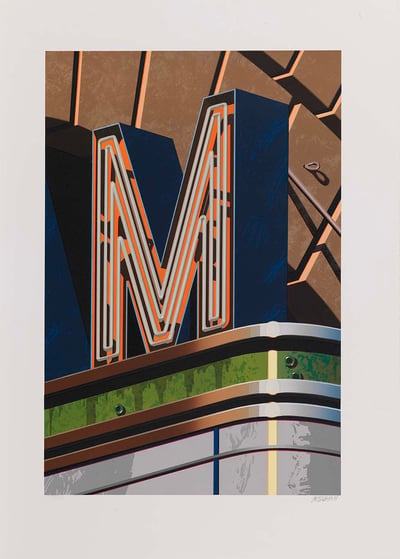
Robert Cottingham
The Letter M, 2001
Limited Edition Print
Lithograph
USD 1,100
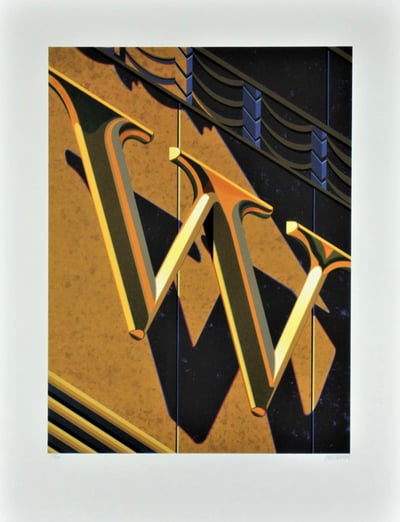
Robert Cottingham
The Letter W, 2001
Limited Edition Print
Lithograph
USD 1,100
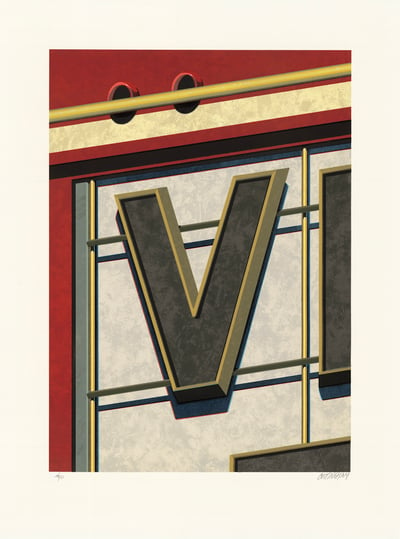
Robert Cottingham
The Letter V, 2001
Limited Edition Print
Lithograph
USD 1,100

Robert Cottingham
Hi, 2009
Limited Edition Print
Silkscreen
USD 1,350
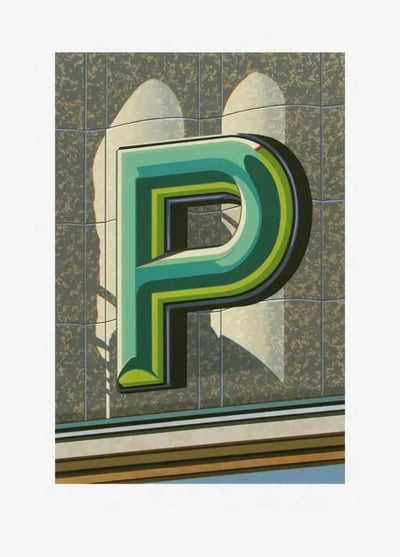
Robert Cottingham
The Letter P, 2001
Limited Edition Print
Lithograph
USD 1,100

Robert Cottingham
Star, 2009
Limited Edition Print
Silkscreen
USD 6,000

Robert Cottingham
Empire (Vertical), 2012
Limited Edition Print
Lithograph
USD 1,200

Robert Cottingham
M, 2009
Limited Edition Print
Silkscreen
USD 4,850

Robert Cottingham
Hot, 2009
Limited Edition Print
Silkscreen
USD 4,850

Robert Cottingham
Switzerland Everybody´s bookshop, 1975
Limited Edition Print
Lithograph
EUR 1,200
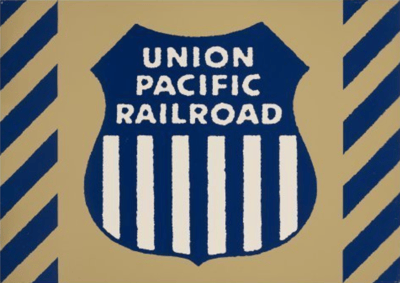
Robert Cottingham
Union Pacific Railraod, 1987
Painting
Mixed Media
USD 30,000

Robert Cottingham
Reading Lines, 1987
Painting
Mixed Media
USD 25,000

Robert Cottingham
B & O, 1987
Painting
Mixed Media
USD 25,000

Robert Cottingham
PRR Railroad, 1987
Painting
Mixed Media
USD 25,000
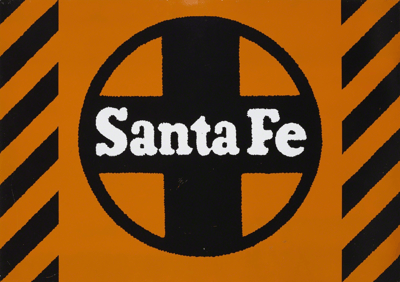
Robert Cottingham
Santa Fe, 1987
Painting
Mixed Media
USD 35,000

Robert Cottingham
Barber Shop, 1989
Limited Edition Print
Lithograph
USD 6,500

Robert Cottingham
American Signs, 2009
Limited Edition Print
Screen-print
USD 15,000 - 20,000
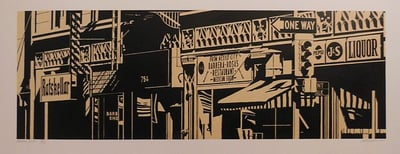
Robert Cottingham
Barrera-Rosa's, 1986
Limited Edition Print
Linocut
Currently Not Available
Related Artists
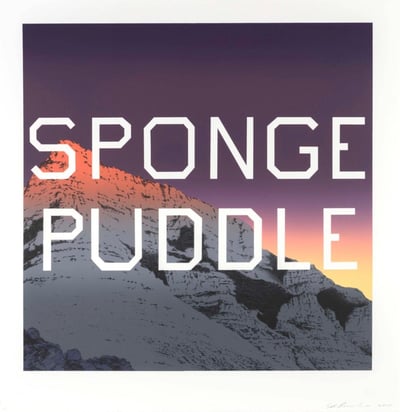
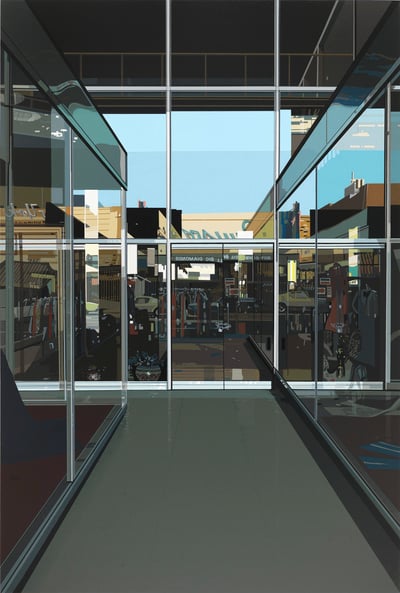
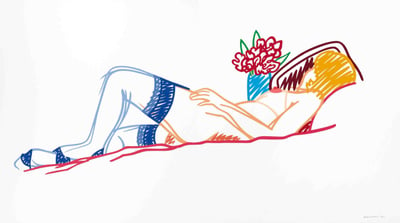


What is Lettrism?
Lettrism is an art form that uses letters, words, and symbols to create artwork. The movement was established in Paris in the 1940s and later gained popularity in the 1950s in America. Lettrisme is the French spelling of the movement's name, derived from the French word for letter.

Robert Cottingham
Fox, 2009
97 x 94 cm


