

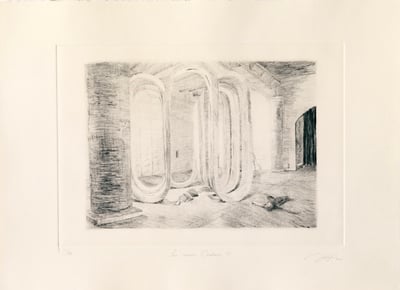
// Los nuevos Oradores IV by Sandra Gamarra, a drypoint print from 2010, presents an enigmatic scene set within an architectural space. The composition features large, looping oval shapes that stand freely in the room, resembling abstract sculptures or mirrors, surrounded by classical columns and an arched entryway. Rendered in soft, monochromatic tones, the artwork captures a play of light and shadow, evoking a quiet, contemplative atmosphere. The sparse details of the interior, combined with the mysterious forms, invite viewers to ponder the function and meaning of these silent orators. Gamarra’s work often explores themes of absence and presence, and in this piece, the surreal setting and ambiguous objects create an intriguing narrative that blurs the lines between reality and abstraction.
Artwork Copyright © Sandra GamarraSandra Gamarra (Peru, 1972) is a Peruvian artist who examines cultural narratives and the dynamics of art institutions. Working with painting, sculpture, and installation, she explores themes like colonialism, identity, and cultural appropriation. Her work often challenges traditional exhibition formats, encouraging viewers to question ownership and interpretation of art and artifacts.
Artwork Copyright © Sandra GamarraLos nuevos Oradores IV , 2010
Form
Medium
Size
- Inches
- Centimeters
Edition
Price
- USD
- EUR
- GBP
- CHF
- Authenticity Guaranteed
- Insured Shipping
- Online Since 2005
●Inventory 7983
●Signed
●Comes with gallery invoice and certificate
●Sell Us a Similar Artwork. Learn more.
// Los nuevos Oradores IV by Sandra Gamarra, a drypoint print from 2010, presents an enigmatic scene set within an architectural space. The composition features large, looping oval shapes that stand freely in the room, resembling abstract sculptures or mirrors, surrounded by classical columns and an arched entryway. Rendered in soft, monochromatic tones, the artwork captures a play of light and shadow, evoking a quiet, contemplative atmosphere. The sparse details of the interior, combined with the mysterious forms, invite viewers to ponder the function and meaning of these silent orators. Gamarra’s work often explores themes of absence and presence, and in this piece, the surreal setting and ambiguous objects create an intriguing narrative that blurs the lines between reality and abstraction.
Artwork Copyright © Sandra GamarraSandra Gamarra (Peru, 1972) is a Peruvian artist who examines cultural narratives and the dynamics of art institutions. Working with painting, sculpture, and installation, she explores themes like colonialism, identity, and cultural appropriation. Her work often challenges traditional exhibition formats, encouraging viewers to question ownership and interpretation of art and artifacts.
Artwork Copyright © Sandra GamarraAvailability
Size
Medium
SORT BY
Sandra Gamarra
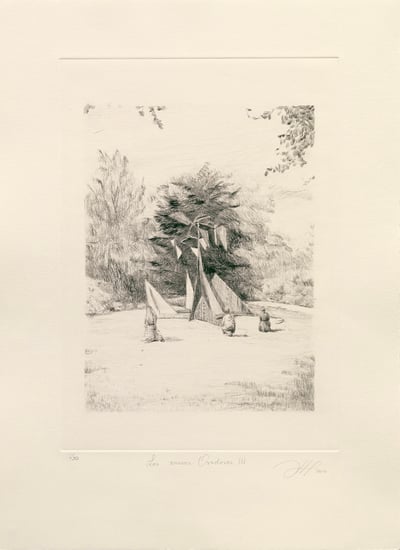
Los nuevos Oradores III , 2010
Limited Edition Print
Drypoint
EUR 300
Sandra Gamarra
Los nuevos Oradores IV , 2010
Limited Edition Print
Drypoint
EUR 300

Sandra Gamarra
Los nuevos Oradores I , 2010
Limited Edition Print
Drypoint
EUR 300
Sandra Gamarra
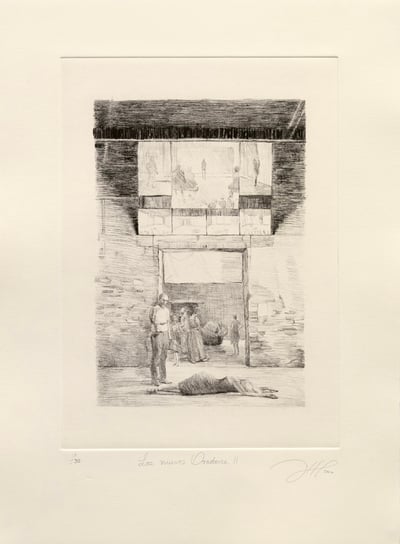
Los nuevos Oradores II , 2010
Limited Edition Print
Drypoint
EUR 300

Sandra Gamarra
Portfolio RESELECCION NATURAL, 2010
Limited Edition Print
Lithograph
EUR 2,000
Related Artists

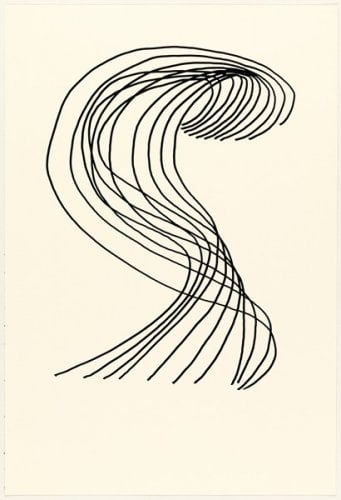


Artwork by Carlos Cruz-Diez
What is Latin American art?
Latin American Art is a style which takes inspiration from its culture, society, politics, native traditions, religions and landscape. Op-Art and Kinetic Art figure prominently in Latin artworks. Colors in Latin American compositions are often bold. Latin American artists work in all media and movements.


Sandra Gamarra
Los nuevos Oradores IV , 2010
30 x 41 cm


