

Peru
Bridging ancient traditions with contemporary insights, Peru's art scene is a thriving dialogue of epochs. Artists such as Fernando de Szyszlo and Ana Teresa Barboza continue to shape this landscape with their innovative works. Venues like the Lima Art Museum and the ICPNA Cultural Center are testament to the country's commitment to cultivating contemporary art. To uncover the richness of Peruvian contemporary art, visit Composition Gallery's website.
Artworks Related to Peru
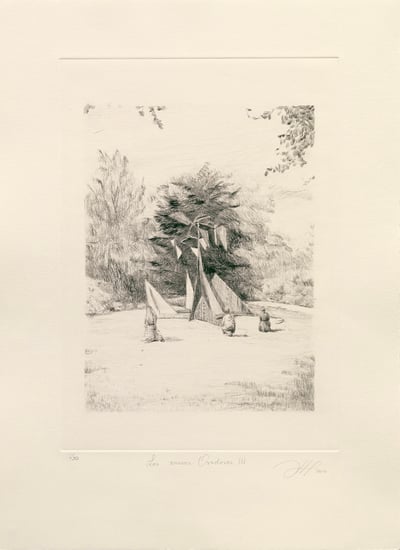
Sandra Gamarra
Los nuevos Oradores III , 2010
Limited Edition Print
Drypoint
EUR 300
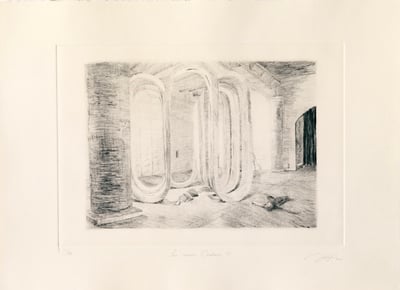
Sandra Gamarra
Los nuevos Oradores IV , 2010
Limited Edition Print
Drypoint
EUR 300

Sandra Gamarra
Los nuevos Oradores I , 2010
Limited Edition Print
Drypoint
EUR 300
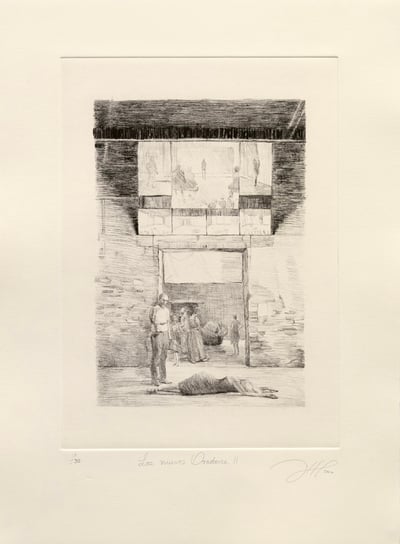
Sandra Gamarra
Los nuevos Oradores II , 2010
Limited Edition Print
Drypoint
EUR 300
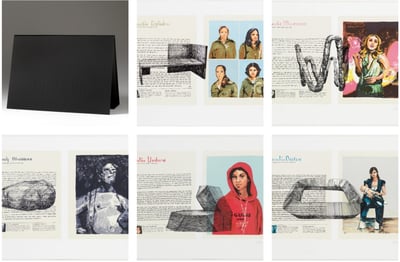
Sandra Gamarra
Portfolio RESELECCION NATURAL, 2010
Limited Edition Print
Lithograph
EUR 2,000
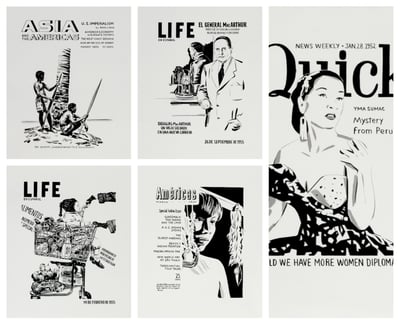
Fernando Bryce
Portfolio QUICK, 2008
Limited Edition Print
Lithograph
EUR 3,000
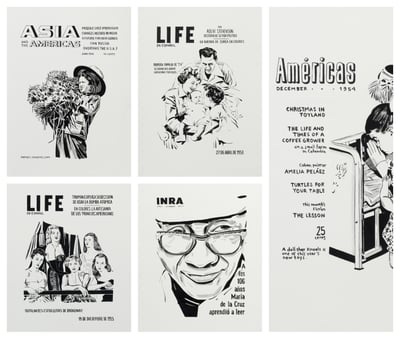
Fernando Bryce
Portfolio INRA, 2009
Limited Edition Print
Lithograph
EUR 3,000
Related Articles
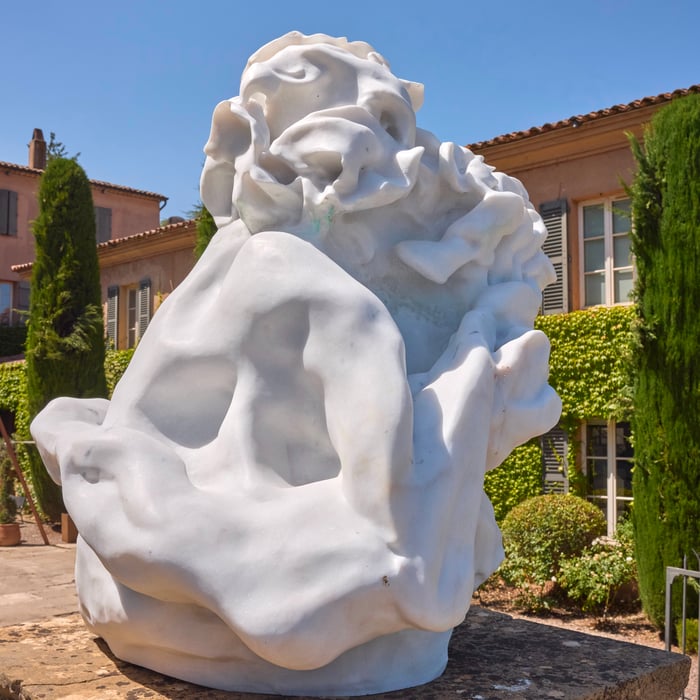

Sand consists of loose grains of material primarily made up of minerals like quartz, mica, and feldspar, as well as small fragments of rocks. Sand paintings are created by pouring colored sand into intricate designs, often for cultural rituals or special celebrations. These designs can take many days to complete and are traditionally brushed away after the ceremony, emphasizing the impermanence of the artwork.

Generative art refers to art that is wholly or partly created through an autonomous system. This system can be independent or non-human, capable of determining features that would otherwise be decided by the artist. The generative system can act as the creator or as a collaborator with the artist. Generative art often refers to works generated algorithmically by computers, where the system plays a significant role in the creation process.
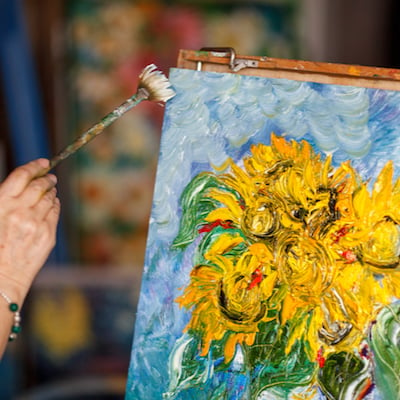
Oil paint is a slow-drying type of paint made from pigment particles suspended in a drying oil, typically linseed oil. The viscosity of the paint can be adjusted by adding a solvent like turpentine, and varnish can be added to increase the glossiness of the dried paint film. Oil painting has been used since the 12th century in Europe, initially for decoration, but it was not widely adopted as a primary painting medium until the 15th century.
Can't find your Answer?
Thank you! Your question has been sent — we'll get back to you shortly.
