

Double Deckers, 1964
Form
Medium
Size
- Inches
- Centimeters
Edition
Price
- Authenticity Guaranteed
- Insured Shipping
- Online Since 2005

Thiebaud Wayne
Three Cows, 1991
Limited Edition Print
Drypoint
USD 11,300

Thiebaud Wayne
Dark Hill River, 2002
Limited Edition Print
Mixed Media
Inquire For Price
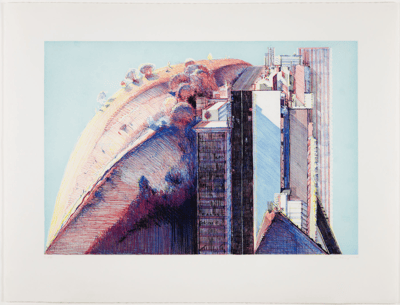
Thiebaud Wayne
Country City, 1988
Limited Edition Print
Mixed Media
Inquire For Price

Thiebaud Wayne
Cut Cakes, 2015
Limited Edition Print
Mixed Media
USD 14,250

Thiebaud Wayne
Crown Tart, 2015
Limited Edition Print
Mixed Media
USD 11,900

Thiebaud Wayne
Trout Fishing in America, 1994
Limited Edition Print
Lithograph
USD 5,500
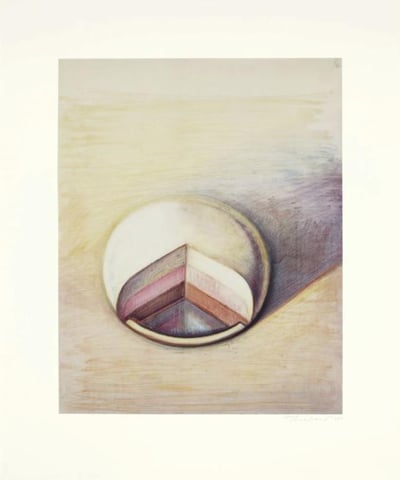
Thiebaud Wayne
Neapolitan Pie, 1990
Limited Edition Print
Lithograph
GBP 25,000 - 30,000
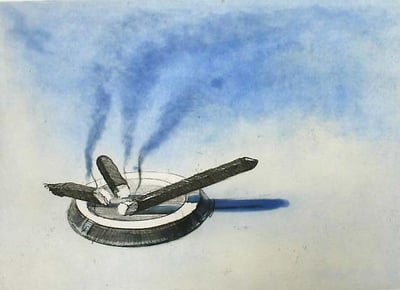
Thiebaud Wayne
Cigars, 1979
Limited Edition Print
Etching
Currently Not Available
Available works by Thiebaud Wayne
See all →Thiebaud Wayne
Three Cows, 1991
Limited Edition Print
Drypoint
USD 11,300
Thiebaud Wayne
Dark Hill River, 2002
Limited Edition Print
Mixed Media
Inquire For Price
Thiebaud Wayne
Country City, 1988
Limited Edition Print
Mixed Media
Inquire For Price
Thiebaud Wayne
Cut Cakes, 2015
Limited Edition Print
Mixed Media
USD 14,250
Thiebaud Wayne
Crown Tart, 2015
Limited Edition Print
Mixed Media
USD 11,900
Thiebaud Wayne
Trout Fishing in America, 1994
Limited Edition Print
Lithograph
USD 5,500
Related Artists

What is Bay Area Figurative Art ?
The Bay Area Figurative Movement, which also goes by the names Bay Area Figurative School, Bay Area Figurative Art, or Bay Area Figuration, came to existence in San-Francisco Bay Area. This was in the mid-20th century, when a group of artists from the area stopped working on the then popular Abstract Expressionism for a preference to figuration in painting. The movement lasted a total of two decades during the 1950's and 1960's.


