

Lithograph with ink and bleach
Vhils' Acquaint 1 (2022) is a limited edition lithograph with ink and bleach, measuring 100 x 70 cm. This work, part of an edition of 30 with additional printer's proofs, showcases Vhils' signature approach of deconstructing portraits to reveal layers of complexity. The image presents a face partially obscured, with bleach and ink creating an eroded, textured effect that gives the appearance of decay or wear. The dark and light contrasts emphasize the fragmented nature of the portrait, suggesting themes of identity, memory, and the passage of time. Vhils uses this technique to explore the impact of urban life and societal changes on the human condition, making the piece both visually compelling and thought-provoking.
Artwork Copyright © VhilsVhils, born Alexandre Farto (Portugal, 1987), is a street artist known for his unique 'urban archaeology' technique, carving portraits into walls by chipping away at layers of plaster and brick. His work explores themes of identity, memory, and urban transformation, making him a distinctive voice in contemporary street art.
Artwork Copyright © VhilsAcquaint 1, 2022
Form
Medium
Size
- Inches
- Centimeters
Edition
Price
Available works →
- Authenticity Guaranteed
- Insured Shipping
- Online Since 2005
●
●Inventory 11452
●Signed
●Comes with gallery invoice and certificate
●Sell Us a Similar Artwork. Learn more.
Lithograph with ink and bleach
Vhils' Acquaint 1 (2022) is a limited edition lithograph with ink and bleach, measuring 100 x 70 cm. This work, part of an edition of 30 with additional printer's proofs, showcases Vhils' signature approach of deconstructing portraits to reveal layers of complexity. The image presents a face partially obscured, with bleach and ink creating an eroded, textured effect that gives the appearance of decay or wear. The dark and light contrasts emphasize the fragmented nature of the portrait, suggesting themes of identity, memory, and the passage of time. Vhils uses this technique to explore the impact of urban life and societal changes on the human condition, making the piece both visually compelling and thought-provoking.
Artwork Copyright © VhilsVhils, born Alexandre Farto (Portugal, 1987), is a street artist known for his unique 'urban archaeology' technique, carving portraits into walls by chipping away at layers of plaster and brick. His work explores themes of identity, memory, and urban transformation, making him a distinctive voice in contemporary street art.
Artwork Copyright © Vhils- Recently Added
- Price (Low-High)
- Price (High-Low)
- Year (Low-High)
- Year (High-Low)
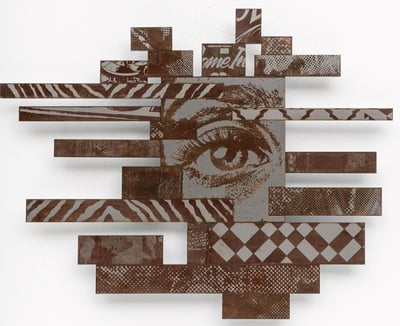
Vhils
Composed, 2022
Sculpture / Object
Metal
EUR 12,000

Vhils
Contrive series #05, 2019
Limited Edition Print
Lithograph
EUR 3,100

Vhils
Dessect Series #01, 2023
Limited Edition Print
Mixed Media
Currently Not Available

Vhils
Acquaint 1, 2022
Limited Edition Print
Lithograph
Currently Not Available
Available works by Vhils
See all →Vhils
Composed, 2022
Sculpture / Object
Metal
EUR 12,000
Vhils
Contrive series #05, 2019
Limited Edition Print
Lithograph
EUR 3,100
Related Artists
Artwork by Marcel Duchamp
What is Found Object?
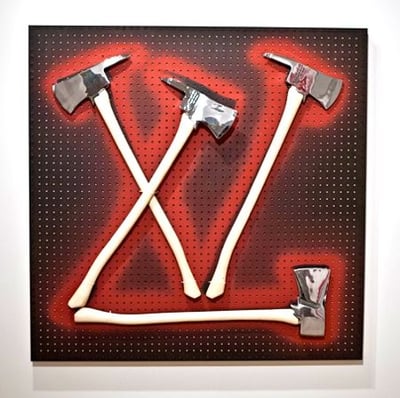
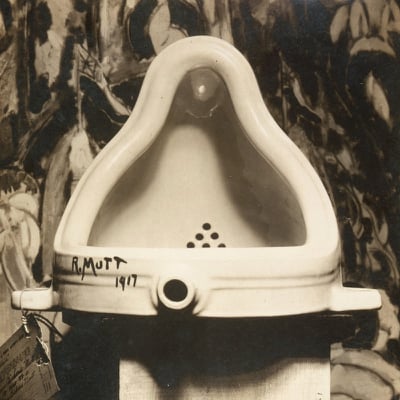
A found object is a term used to describe a man-made or natural object, or a fragment of one, that an artist discovers or purchases and keeps for inspiration or as a work of art. The artist may also modify the object or incorporate it into a collage or assemblage, transforming it into a new piece of art.


Vhils
Acquaint 1, 2022
100 x 70 cm


