

Edition of 200 - Offset lithograph - In excellent condition
Artwork Copyright © Walter LeblancWalter Leblanc (Belgium, 1932–1986) was a pivotal figure in European post-war art, renowned for his contributions to kinetic and optical art. A founding member of the Antwerp avant-garde group G58, he introduced the 'torsion' technique, twisting materials like cotton threads and metal to create dynamic works that engage light and movement. Leblanc's innovative approach earned him international recognition, with his works featured in major exhibitions and collections worldwide.
Artwork Copyright © Walter LeblancGreen Torsions, 1976
Form
Medium
Size
- Inches
- Centimeters
Edition
Price
Available works →
- Authenticity Guaranteed
- Insured Shipping
- Online Since 2005
●
●Inventory 8366
●Signed
●Comes with gallery invoice and certificate
●Sell Us a Similar Artwork. Learn more.
Edition of 200 - Offset lithograph - In excellent condition
Artwork Copyright © Walter LeblancWalter Leblanc (Belgium, 1932–1986) was a pivotal figure in European post-war art, renowned for his contributions to kinetic and optical art. A founding member of the Antwerp avant-garde group G58, he introduced the 'torsion' technique, twisting materials like cotton threads and metal to create dynamic works that engage light and movement. Leblanc's innovative approach earned him international recognition, with his works featured in major exhibitions and collections worldwide.
Artwork Copyright © Walter Leblanc- Recently Added
- Price (Low-High)
- Price (High-Low)
- Year (Low-High)
- Year (High-Low)
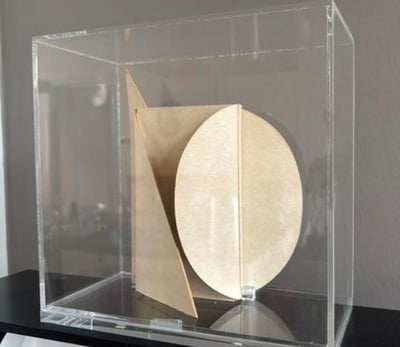
Walter Leblanc
Archetypes, 1985
Sculpture / Object
Mixed Media
EUR 15,000
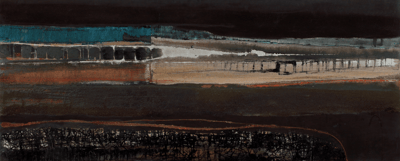
Walter Leblanc
Antwerp, 1958
Painting
Mixed Media
Inquire For Price
Available works by Walter Leblanc
See all →Walter Leblanc
Archetypes, 1985
Sculpture / Object
Mixed Media
EUR 15,000
Walter Leblanc
Antwerp, 1958
Painting
Mixed Media
Inquire For Price
Related Artists

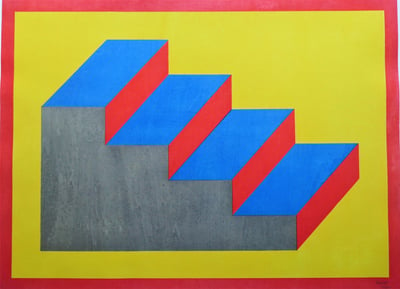
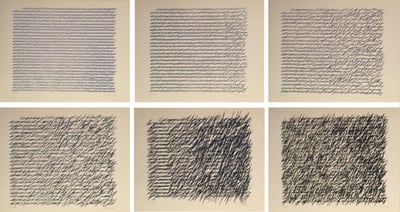

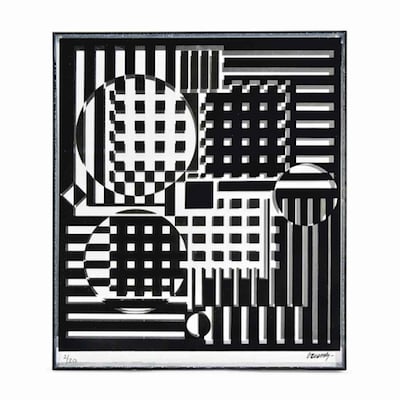
Artwork by Victor Vasarely
What is Op Art?
Op Art is a visual art style that uses optical illusions to create the impression of movement, vibrating patterns, flashing, or hidden images. The works are typically abstract, with many well-known pieces in black and white. The roots of Op Art can be traced back to earlier movements like Futurism, Constructivism, Dada, and Neo-Impressionism, particularly in their use of color effects and graphic design.


