

Paper Size: 81.5(H)x77(W)cm. -Image Size: 67(H)x67(W)cm
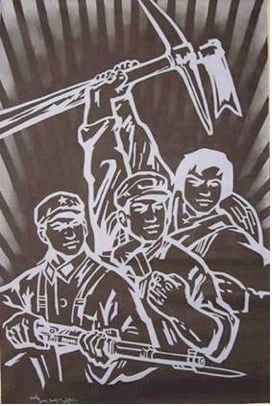
Artwork Copyright © Wang GuangyiWang Guangyi (China, 1957) is a Chinese artist renowned for his 'Great Criticism' series, which juxtaposes Cultural Revolution propaganda with Western brand logos, critiquing consumerism and political ideology. A leading figure in China's Political Pop movement, his work has been exhibited globally, including at the Venice Biennale.
Artwork Copyright © Wang GuangyiGreat Criticism WTO, 2006
Form
Medium
Size
- Inches
- Centimeters
Edition
Price
Available works →
- Authenticity Guaranteed
- Insured Shipping
- Online Since 2005
●
●Inventory 1407
●Signed
●Comes with gallery invoice and certificate
●Sell Us a Similar Artwork. Learn more.
Paper Size: 81.5(H)x77(W)cm. -Image Size: 67(H)x67(W)cm
Artwork Copyright © Wang GuangyiWang Guangyi (China, 1957) is a Chinese artist renowned for his 'Great Criticism' series, which juxtaposes Cultural Revolution propaganda with Western brand logos, critiquing consumerism and political ideology. A leading figure in China's Political Pop movement, his work has been exhibited globally, including at the Venice Biennale.
Artwork Copyright © Wang Guangyi- Recently Added
- Price (Low-High)
- Price (High-Low)
- Year (Low-High)
- Year (High-Low)
Wang Guangyi
Eternal Halo, 2004
Painting
Oil on canvas
Inquire For Price

Wang Guangyi
Face of the believer, 2003
Limited Edition Print
Lithograph
Currently Not Available
Available works by Wang Guangyi
See all →Wang Guangyi
Eternal Halo, 2004
Painting
Oil on canvas
Inquire For Price
Related Artists

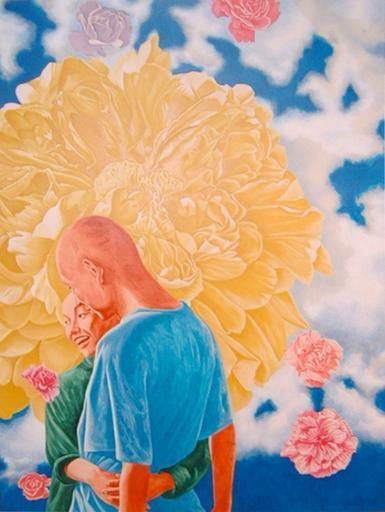
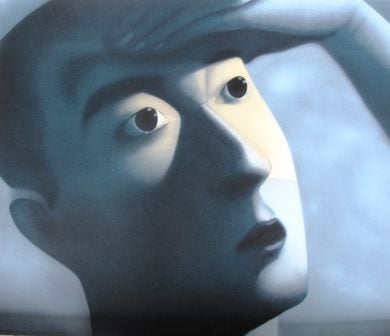
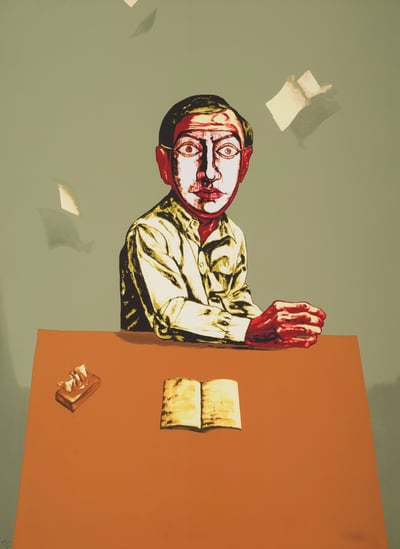

Artwork by Wang Guangyi
What is activist art?
Activist Art is a form of art created to address social and political issues. It often involves public engagement and works closely with communities to raise awareness or inspire change. While it can include elements of performance art, it is not limited to this form. Examples include creating and distributing social protest posters or organizing community-based art projects that highlight specific causes.


