

Liquitex on metal
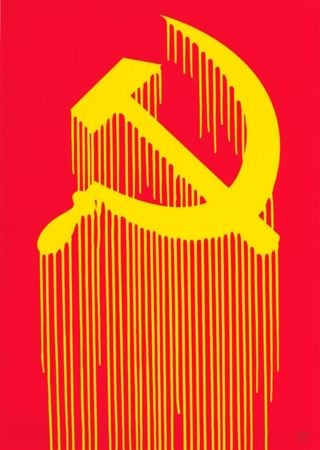
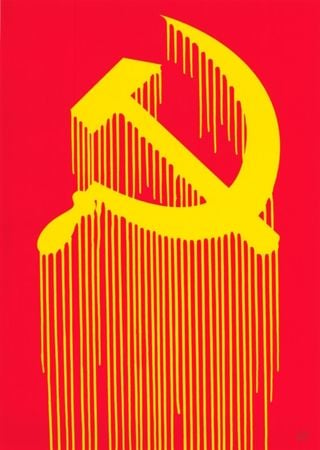
Zevs’s CCCP - Liquidated Hammer and Sickle presents a powerful reinterpretation of the iconic Soviet symbol, using his signature “liquidation” style to transform the hammer and sickle into a dripping, deconstructed image. Rendered in vibrant yellow against a bold red background, the once-solid symbol appears to melt, with liquefied drips running down, suggesting decay or dissolution. This mixed media piece, created with Liquitex on metal, carries strong political and historical connotations, challenging viewers to consider the legacy and transformation of ideologies over time. Zevs, known for his street art background and provocative approach, uses this piece to question permanence, identity, and the power of symbols in a rapidly changing world.
Artwork Copyright © ZevsZevs (France, 1977) is a prominent street artist and conceptual provocateur, known for his Liquidation series, where he 'melts' iconic logos to critique consumerism. A pioneer of urban art, Zevs often integrates public spaces into his work, blending graffiti, performance, and social commentary. His art challenges perceptions of branding and urban aesthetics.
Artwork Copyright © ZevsCCCP - Liquidated Hammer and Sickle
Form
Medium
Size
- Inches
- Centimeters
Edition
Price
- USD
- EUR
- GBP
- CHF
- Authenticity Guaranteed
- Insured Shipping
- Online Since 2005
●Inventory 1679
●Signed
●Comes with gallery invoice and certificate
●Sell Us a Similar Artwork. Learn more.
Liquitex on metal
Zevs’s CCCP - Liquidated Hammer and Sickle presents a powerful reinterpretation of the iconic Soviet symbol, using his signature “liquidation” style to transform the hammer and sickle into a dripping, deconstructed image. Rendered in vibrant yellow against a bold red background, the once-solid symbol appears to melt, with liquefied drips running down, suggesting decay or dissolution. This mixed media piece, created with Liquitex on metal, carries strong political and historical connotations, challenging viewers to consider the legacy and transformation of ideologies over time. Zevs, known for his street art background and provocative approach, uses this piece to question permanence, identity, and the power of symbols in a rapidly changing world.
Artwork Copyright © ZevsZevs (France, 1977) is a prominent street artist and conceptual provocateur, known for his Liquidation series, where he 'melts' iconic logos to critique consumerism. A pioneer of urban art, Zevs often integrates public spaces into his work, blending graffiti, performance, and social commentary. His art challenges perceptions of branding and urban aesthetics.
Artwork Copyright © Zevs- Recently Added
- Price (Low-High)
- Price (High-Low)
- Year (Low-High)
- Year (High-Low)
Zevs
CCCP - Liquidated Hammer and Sickle
Painting
Mixed Media
EUR 14,250
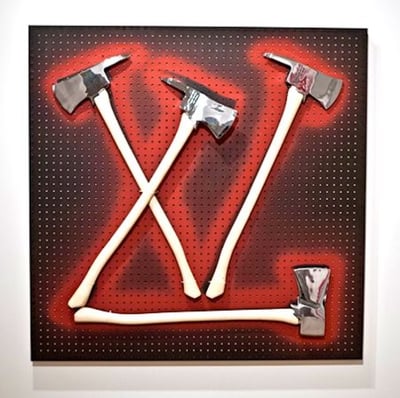
Zevs
LV - Axes, date unknown
Painting
Mixed Media
EUR 13,500
Related Artists
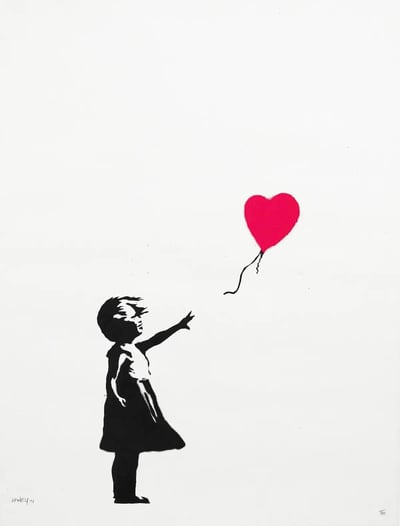
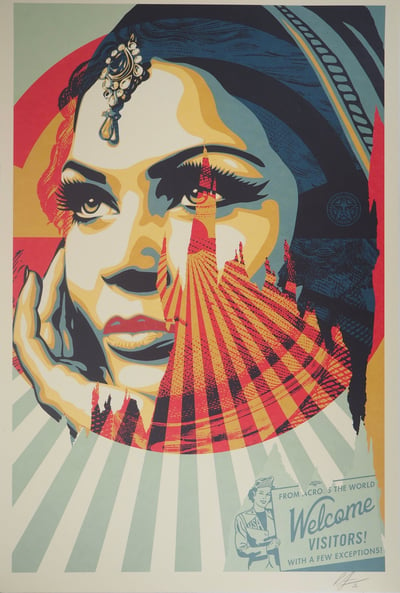

Artwork by Mr Brainwash
What is graffiti art?
Graffiti art refers to drawings and writings that are painted, scratched, or scribbled on walls or other surfaces, typically in public spaces. This art form ranges from small tags to elaborate wall paintings. Graffiti has been in existence since ancient times, with examples dating back to the Roman Empire, Ancient Greece, and Ancient Egypt.

Zevs
CCCP - Liquidated Hammer and Sickle
145 x 70 cm


