

Enrico Castellani
Enrico Castellani (Italy, 1930–2017) was a pivotal figure in post-war Italian art, known for his monochromatic canvases shaped by nails and tension. A founding member of the ZERO movement, he explored light, shadow, and dimensionality through minimalist techniques. Castellani’s innovative work redefined painting, earning him international acclaim and a Golden Lion at the Venice Biennale.
© Enrico Castellani. All rights reserved.
- Recently Added
- Price (Low-High)
- Price (High-Low)
- Year (Low-High)
- Year (High-Low)

Enrico Castellani
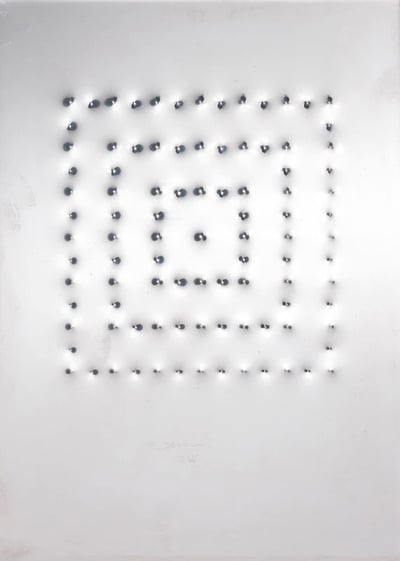
Superficie (Vanilla/Gold), 1968
Limited Edition Print
Plastic
EUR 4,200
Enrico Castellani
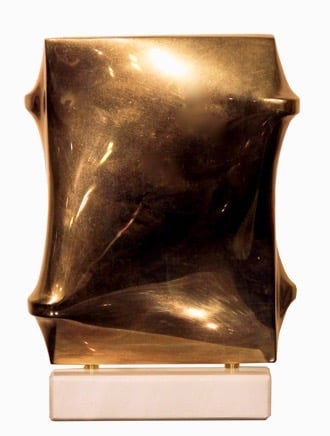
Estroflesssso, 2008
Sculpture / Object
Metal
Currently Not Available
Enrico Castellani
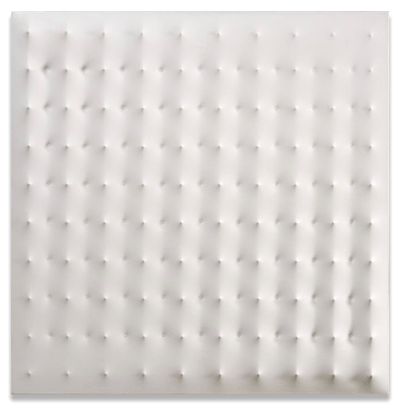
Superficie Bianca, 1968
Limited Edition Print
Plastic
Currently Not Available
No sold works to show.
Enrico Castellani (b. 1930 Italy, d. 2017 Italy) was a pioneering Italian artist and a central figure in the development of minimalism and Spatialism in post-war European art. Best known for his "Superficie" series, Castellani used nails and other materials to create three-dimensional surfaces on canvas, transforming the traditional flat plane into a dynamic, light-responsive field. His work emphasizes the interplay of light and shadow, depth and texture, blurring the boundaries between painting and sculpture. Castellani's innovative techniques and his commitment to redefining the possibilities of the canvas have left a lasting impact on contemporary art, earning him recognition as one of the most influential artists of the 20th century. (Artist website)
Related Artists

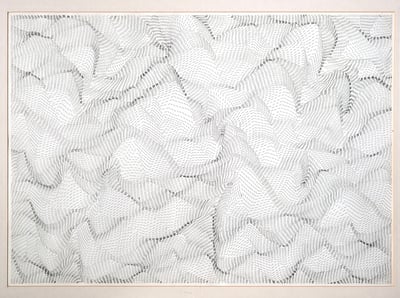
Related Articles
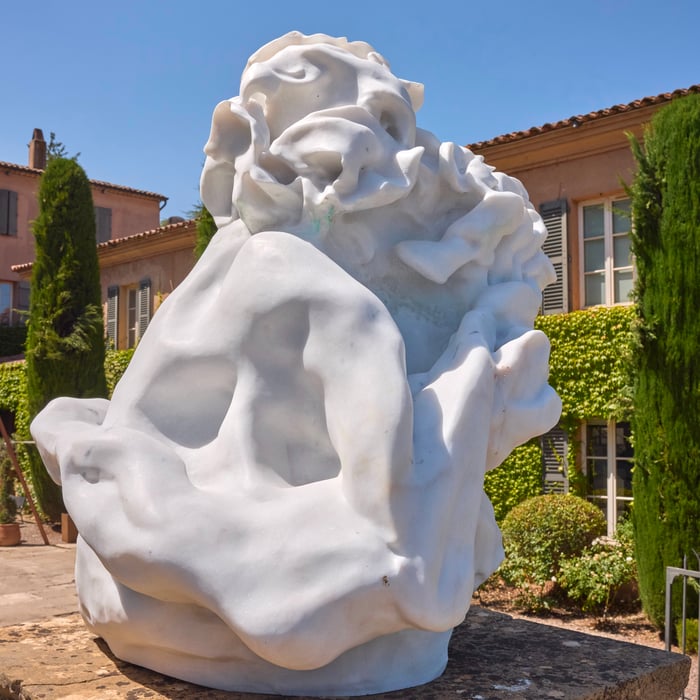
News, Popular, Collecting, Artists - August 12, 2026
In Minor Keys: Finding Intimacy and Identity at the 61st Venice Biennale — and in Your Collection
Explore how Koyo Kouoh’s 61st Venice Biennale vision, In Minor Keys, is shifting contemporary collecting toward quiet introspection, memory, and personal identi…Read More

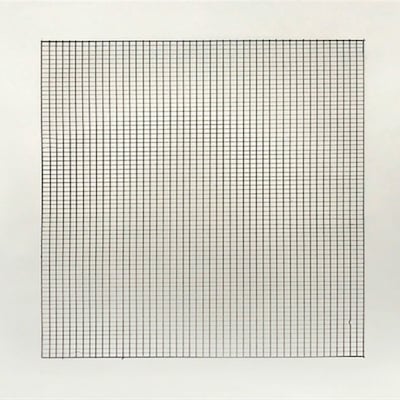 Artwork by Agnes Martin
What is minimalism?
Minimalism is a style in music and visual arts characterized by pared-down designs and simplicity. It began in Western art after World War II, gaining prominence particularly in American visual arts. Minimalism draws heavily on aspects of modernism and is often viewed as a reaction against Abstract Expressionism, as well as a precursor to post-minimal art pr…
Explore »

