

Henry Moore
© Henry Moore. All rights reserved.
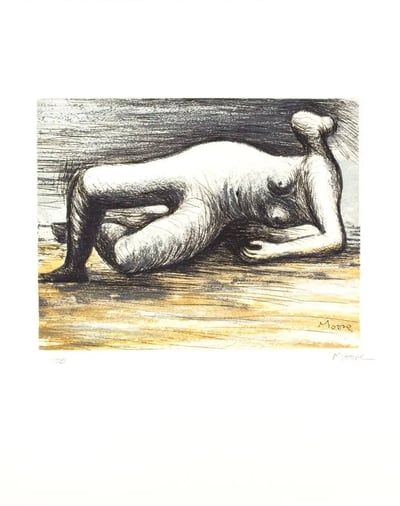
Henry Moore
Reclining nude (C. 670), 1980
Limited Edition Print
Etching and Aquatint
USD 3,600
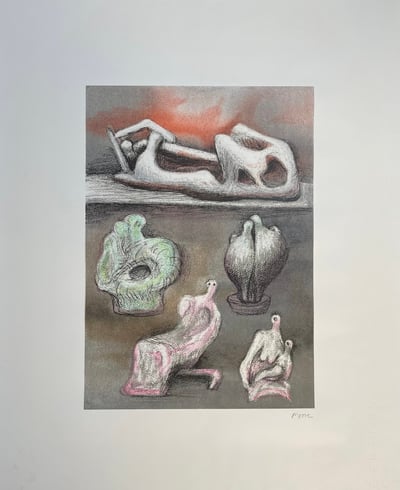
Henry Moore
Five Ideas for Sculpture (C. 610), 1981
Limited Edition Print
Lithograph
USD 3,600
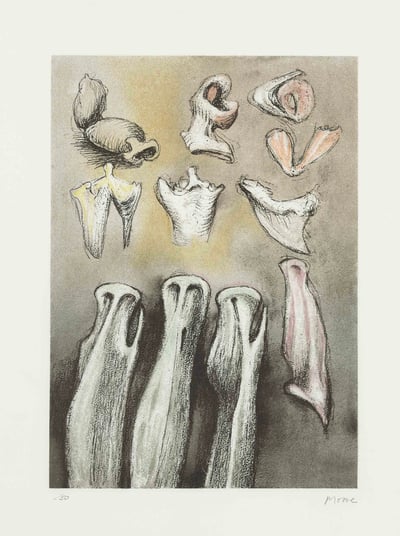
Henry Moore
Three Sisters (C. 621), 1981
Limited Edition Print
Lithograph
USD 3,600
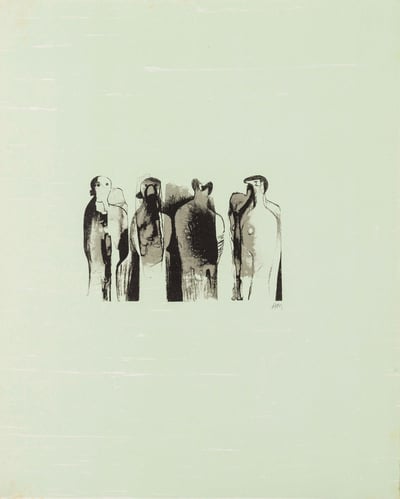
Henry Moore
La Poesie: Four Standing Figures (C. 323), 1973-1975
Limited Edition Print
Lithograph
USD 3,600
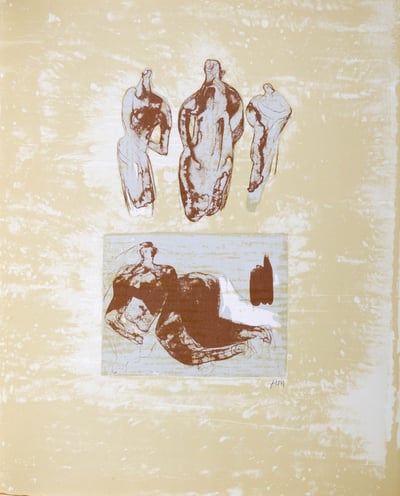
Henry Moore
La Poesie: Ideas from a Sketchbook (C. 324), 1973-1975
Limited Edition Print
Lithograph
USD 3,600
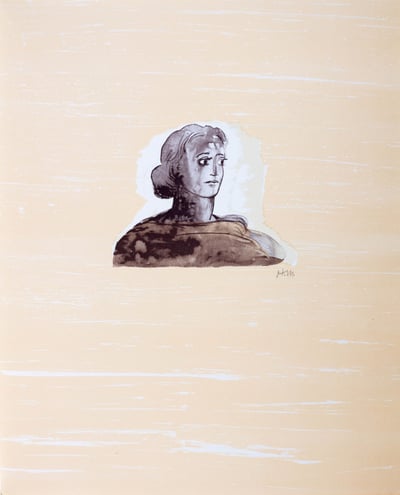
Henry Moore
La Poesie: Creole Lady (C. 321), 1973-1975
Limited Edition Print
Lithograph
USD 3,600
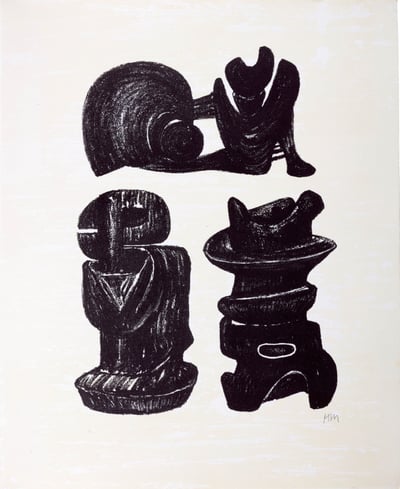
Henry Moore
La Poesie: Three Sculptural Forms (C. 320), 1973-1975
Limited Edition Print
Lithograph
USD 3,600
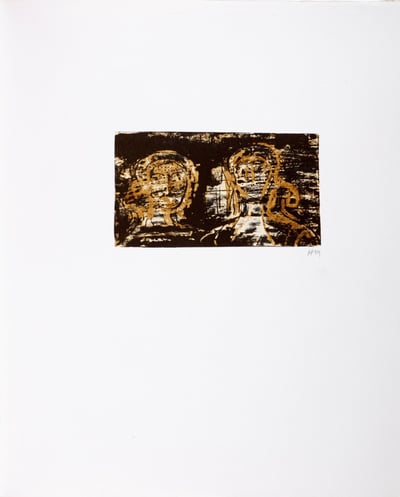
Henry Moore
La Poesie: Two Heads (C. 318), 1973-1975
Limited Edition Print
Lithograph
USD 3,600
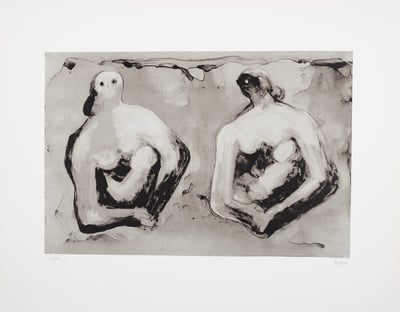
Henry Moore
Sisters with Children (C. 544), 1979
Limited Edition Print
Lithograph
USD 3,600
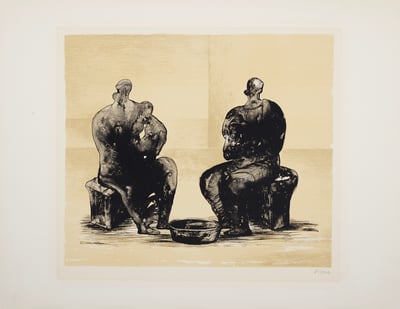
Henry Moore
Two Women Bathing Child II (C. 310), 1973
Limited Edition Print
Lithograph
USD 3,600

Henry Moore
Collection of 10 Prints, 1973–1981
Limited Edition Print
Mixed Media
USD 29,250
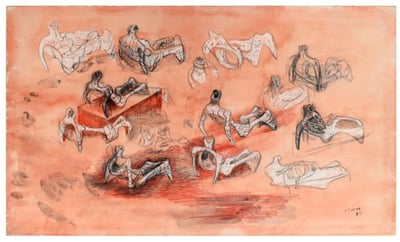
Henry Moore
Reclining Figures, 1939
Painting
Mixed Media
Inquire For Price
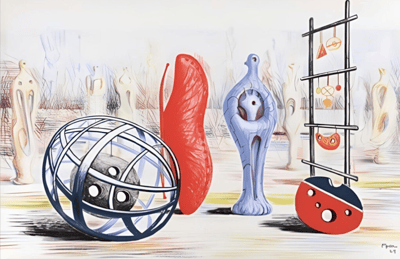
Henry Moore
Scultpural Objects School, 1949
Limited Edition Print
Lithograph
Inquire For Price
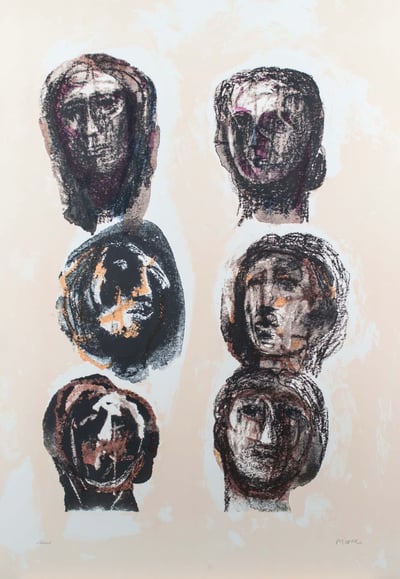
Henry Moore
Six Heads Olympians, 1982
Limited Edition Print
Lithograph
Inquire For Price
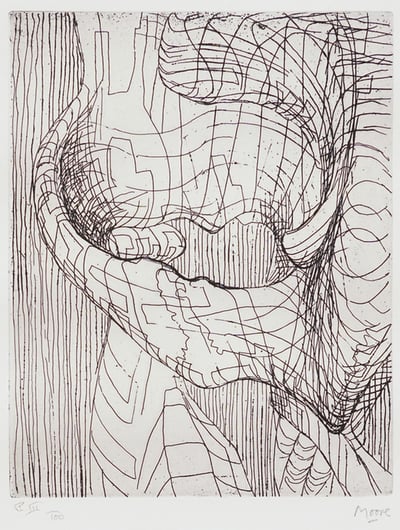
Henry Moore
Elephant Skull, 1969
Limited Edition Print
Etching
GBP 1,620

Henry Moore
Seated Nude, 1979
Limited Edition Print
Mixed Media
USD 2,800

Henry Moore
Album internacional, 1973
Limited Edition Print
Lithograph
EUR 1,150
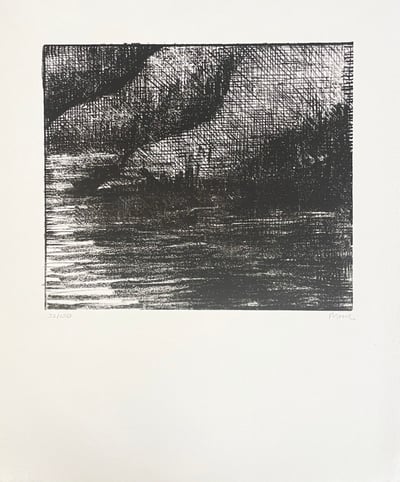
Henry Moore
Fjord, 1974
Limited Edition Print
Lithograph
Inquire For Price

Henry Moore
Elephant skull (Plate A), 1969
Limited Edition Print
Etching and Aquatint
EUR 1,550
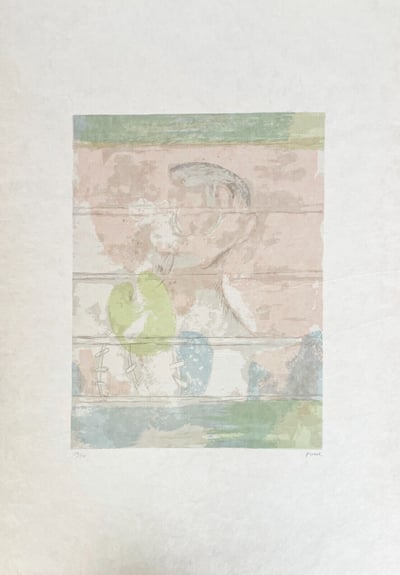
Henry Moore
Head, 1975
Limited Edition Print
Lithograph
USD 1,100

Henry Moore
Reclining Figure with Red Stripes, 1973
Limited Edition Print
Lithograph
USD 1,350

Henry Moore
Girl doing homework II, 1974
Limited Edition Print
Etching
USD 3,700

Henry Moore
Two Women Seated, 1967
Limited Edition Print
Lithograph
USD 7,200

Henry Moore
Girl Seated at Desk IV, 1974
Limited Edition Print
Lithograph
USD 4,250

Henry Moore
Mother And Child XV, 1983
Limited Edition Print
Mixed Media
EUR 2,200
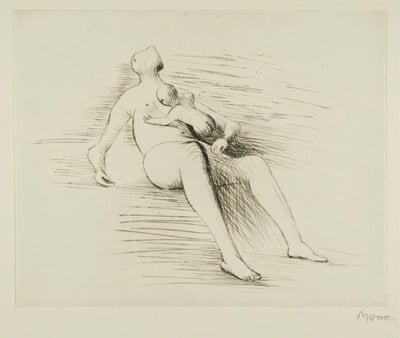
Henry Moore
Recling Mother And Child II, 1979
Limited Edition Print
Mixed Media
EUR 1,750

Henry Moore
Seated Figure IV - Reverse Lighting, 1974
Limited Edition Print
Lithograph
EUR 2,250

Henry Moore
Shipwreck II, 1973
Limited Edition Print
Lithograph
EUR 2,310

Henry Moore
Male figure in landscape C.470, 1977
Limited Edition Print
Lithograph
USD 5,000

Henry Moore
Ideas for sculptures C. 365
Limited Edition Print
Lithograph
USD 3,750

Henry Moore
Group in industrial landscape C. 418, 1975
Limited Edition Print
Lithograph
USD 3,750
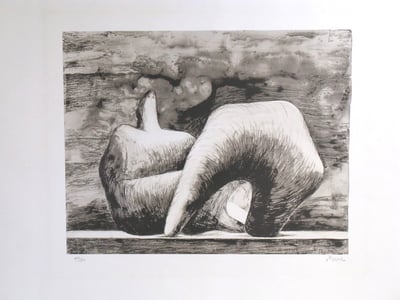
Henry Moore
Reclining figure pointed C. 543, 1979
Limited Edition Print
Lithograph
USD 6,790

Henry Moore
Figures In A Forest, 1976
Limited Edition Print
Lithograph
EUR 1,650
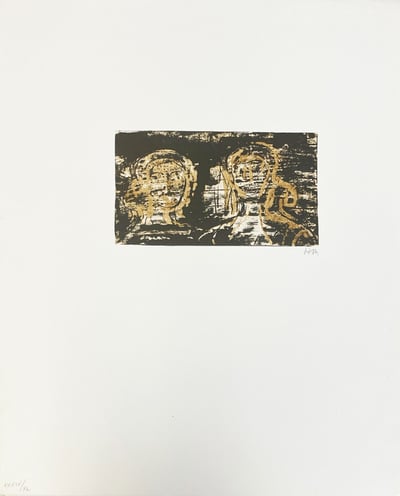
Henry Moore
Two Heads, 1973
Limited Edition Print
Lithograph
Currently Not Available
- Henry Moore
He was influenced by Picasso, Giacometti, Arp, and Brancusi. Non-Western art shaped his early works that focused on frontal character. Also, Moore's methods of sculpting changed. His early works were formed by modeling (using clay or plaster) and casting in bronze.
European Modernism changed his approach to the direct carving of wood and stone. Henry Moore had his most productive and experimental decade in the 1930s. His works began to show a psychological dimension due to the influences of Constructivism and Surrealism. This led to the sculpting of three dimensional biomorphic forms followed by the introduction of 'holes' into his sculptures. The object appeared to grow out of an absent center. He often used objects in nature such as rocks, seashells and bones for ideas. His combined use of nature and the human body presented humanity as a natural force that changes. (Artist website)
Related Artists
Related Articles
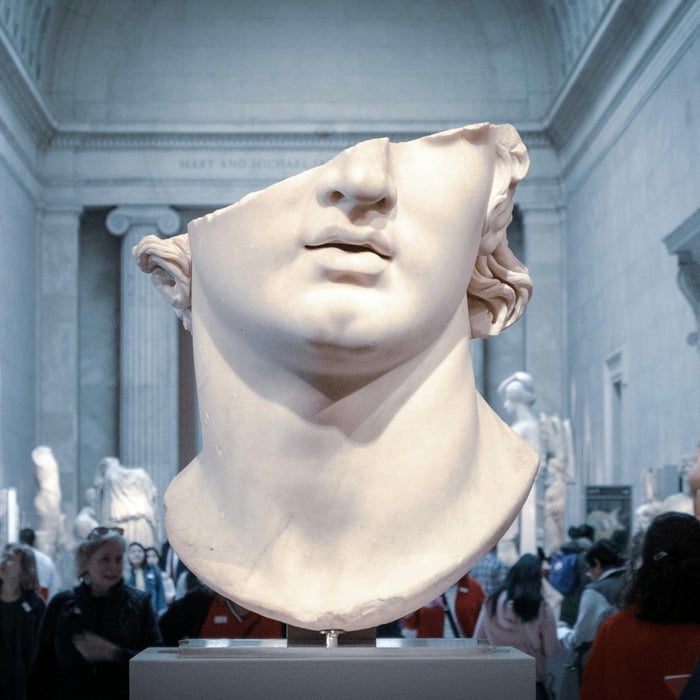
Collecting, Popular - July 23, 2025
Sculpture Care and Display: From Plinths to Pedestals in Your Home
Learn how to display and care for sculpture at home—from lighting tips to material care—so your art can truly shine in any space.Read More

 Artwork by Eduardo Chillida
What is abstract art?
Abstract art uses form, shape, line, and color to create a visual experience without attempting to represent external reality. The composition exists independently of the world's visual references, focusing on expressing ideas and emotions through non-representational means.
Explore »

