

Imi Knoebel
© Imi Knoebel. All rights reserved.

Imi Knoebel
Rosa Trapez, 1998-2001
Painting
Mixed Media
Inquire For Price

Imi Knoebel
ohne Titel (4), 1995
Limited Edition Print
Screen-print
EUR 1,800

Imi Knoebel
ohne Titel (3), 1995
Limited Edition Print
Screen-print
EUR 1,800

Imi Knoebel
ohne Titel (2), 1995
Limited Edition Print
Screen-print
EUR 1,800

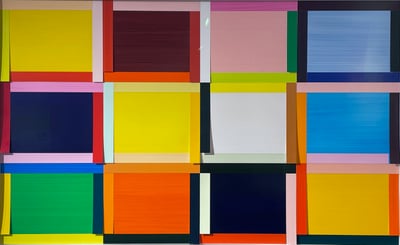
Imi Knoebel
Face No 12, 2002/2014
Drawing / Watercolor
Mixed Media
EUR 10,000 - 15,000
Imi Knoebel
Basel Fenster 5 ED, 2020
Limited Edition Print
Mixed Media
Currently Not Available

Imi Knoebel
Canapé Enfant, 1996
Limited Edition Print
Mixed Media
Artwork On Hold
- Imi Knoebel
Related Artists


Related Articles
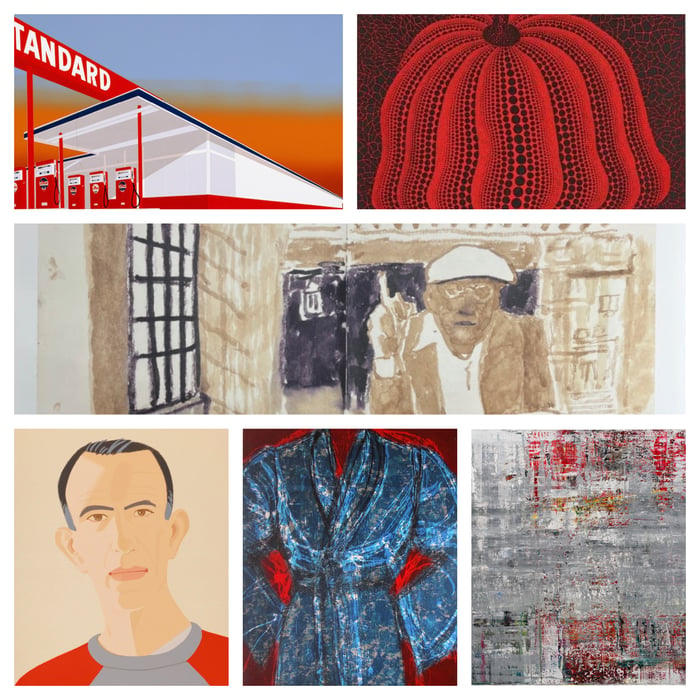
Artists - November 11, 2024
25 Living Icons: A Generation of Artists Defying Time
Celebrate 25 living legends redefining art! From Kusama to Hockney, explore their enduring creativity and groundbreaking contributions to modern art.Read More
Art Movements, Popular - May 5, 2022
Minimalism in the XX Century: Simple Gestures and Essential Ideas.
Explore Minimalism in the 20th century, from art to architecture. Discover its evolution, pioneers like Donald Judd, and its impact on modern creativity.Read More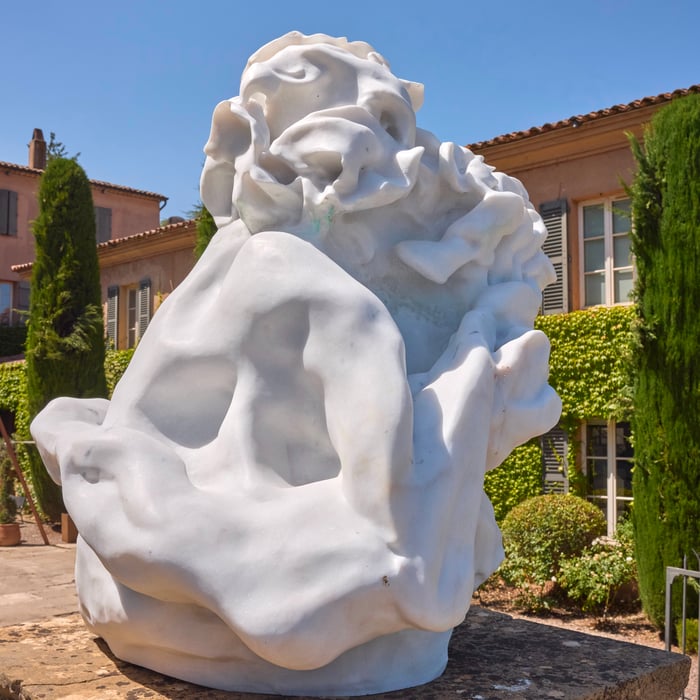
News, Popular, Collecting, Artists - August 12, 2026
In Minor Keys: Finding Intimacy and Identity at the 61st Venice Biennale — and in Your Collection
Explore how Koyo Kouoh’s 61st Venice Biennale vision, In Minor Keys, is shifting contemporary collecting toward quiet introspection, memory, and personal identi…Read More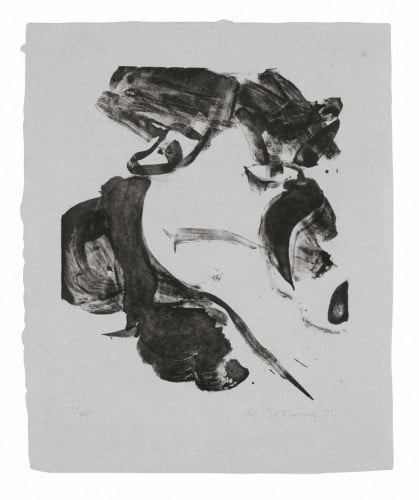 Artwork by Willem de Kooning
What is Gestural?
Gestural art is a term that describes painting with freely sweeping brushstrokes. The primary goal of gestural art is to allow the artist to physically express emotional impulses. The varied, yet expressive paint marks are intended to convey the artist's inner thoughts and emotions, which viewers are believed to understand through the dynamic and spontaneous…
Explore »

