

Jorge Macchi
© Jorge Macchi. All rights reserved.

Jorge Macchi
Agua de Jamaica, 2023
Limited Edition Print
Lithograph
EUR 1,200

Jorge Macchi
Islas vírgenes, 2023
Limited Edition Print
Lithograph
EUR 1,200
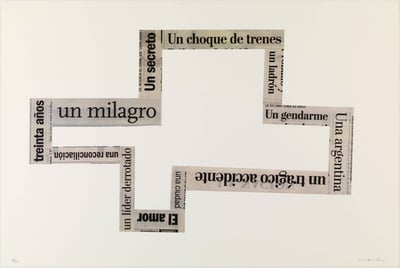
Jorge Macchi
El secreto, 2011
Limited Edition Print
Lithograph
EUR 1,200

Jorge Macchi
Las Horas, 2011
Limited Edition Print
Lithograph
EUR 1,200
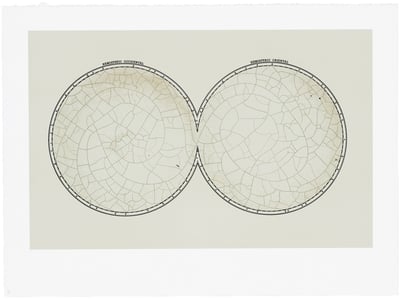
Jorge Macchi
Old World, 2007
Limited Edition Print
Lithograph
EUR 1,000
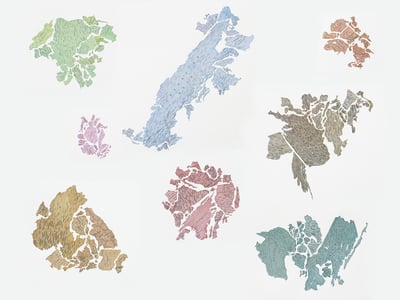
Jorge Macchi
New World, 2009
Limited Edition Print
Lithograph
EUR 1,500
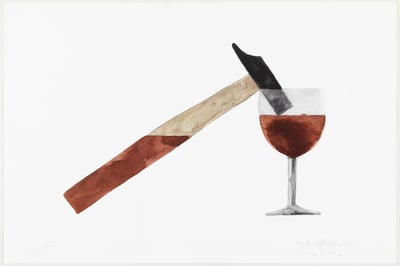
Jorge Macchi
Drunk, 2010
Limited Edition Print
Lithograph
EUR 1,200
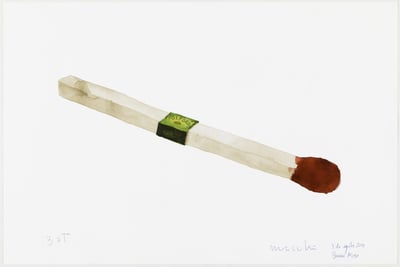
Jorge Macchi
Fósforo, 2010
Limited Edition Print
Lithograph
EUR 1,200
No sold works to show.
- Jorge Macchi
Related Artists

Related Articles
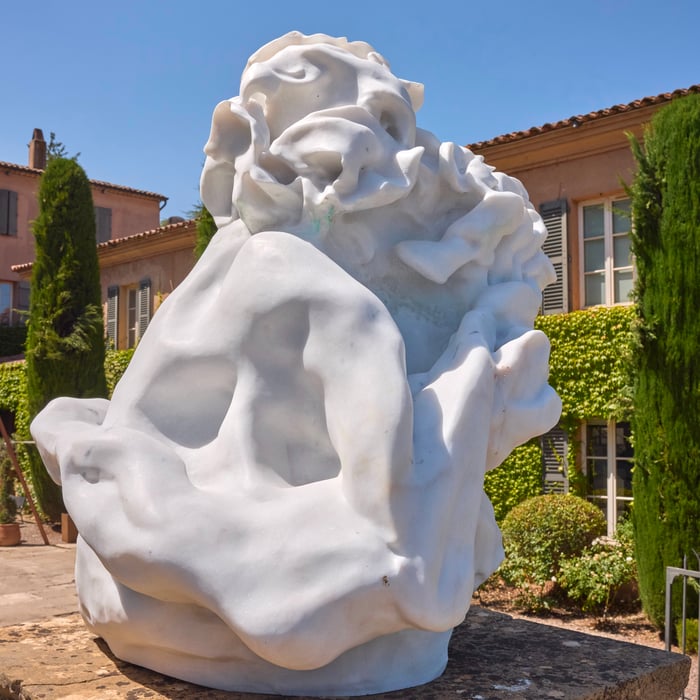
News, Popular, Collecting, Artists - August 12, 2026
In Minor Keys: Finding Intimacy and Identity at the 61st Venice Biennale — and in Your Collection
Explore how Koyo Kouoh’s 61st Venice Biennale vision, In Minor Keys, is shifting contemporary collecting toward quiet introspection, memory, and personal identi…Read More
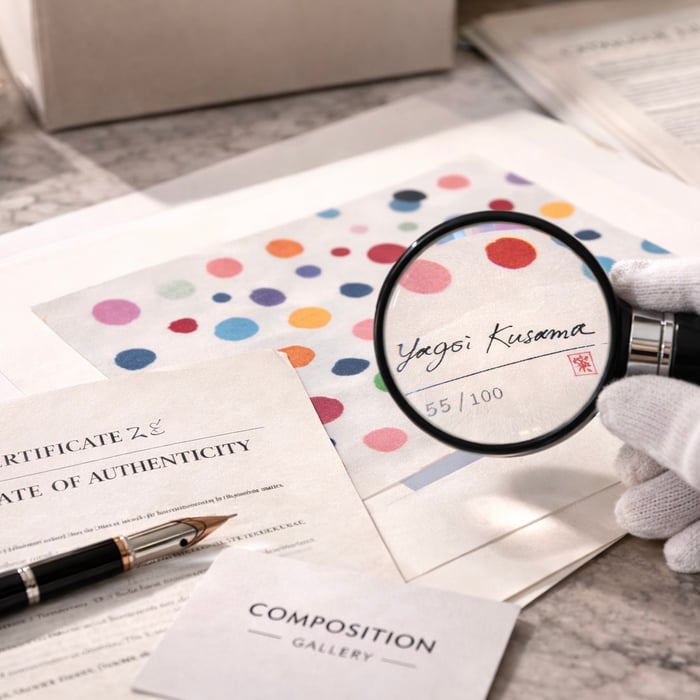
 Artwork by Roger Raveel
What is new figuration?
Neo-Figurative Art is a collective term that refers to the revival of figurative art in America and Europe during the 1960s, following a period dominated by abstraction. Michel Ragon, a French art critic, argued that this resurgence of figuration occurred during a critical time of social and political upheaval in both regions.
Explore »

