
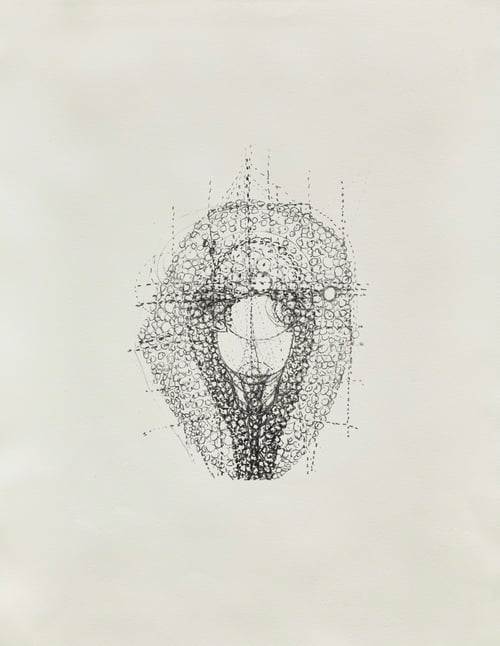
Marisa Merz
Marisa Merz (Italy, 1926–2019) was a leading figure of the Arte Povera movement, celebrated for her poetic and experimental works. She combined unconventional materials like aluminum and copper wire with personal and spiritual themes, blurring boundaries between art and life. Merz was the only woman formally associated with Arte Povera, leaving a lasting legacy.
© Marisa Merz. All rights reserved.
- Recently Added
- Price (Low-High)
- Price (High-Low)
- Year (Low-High)
- Year (High-Low)

Marisa Merz
Untitled, 2018
Limited Edition Print
Lithograph
Currently Not Available
No sold works to show.
There has never been any division between my life and my work.
- Marisa Merz
- Marisa Merz
Marisa Merz is a multimedia painter and sculptor, as well as the only female artist to be associated with the artistic movement Arte Povera. Since Merz was born in Italy, she was located at the very heart of the movement. Arte Povera promoted a return to simplicity above all else and emphasized the idea that there was significant meaning in the everyday. Though Merz's sculptures express these themes, her work is just as much an exploration of her own existence. Merz is known for her use of the humble, nontraditional art materials she incorporates into her paintings and multimedia installations. Some of the things she has used in her work include wire, clay, copper, and many different types of fabric. Marisa Merz takes the themes of the everyday a step further by making use of techniques that would not typically be considered fine art - examples include weaving and knitting. Combining these materials and techniques gives Marisa Merz's work an interesting and particularly relevant edge.
Related Artists
Related Articles
News, Popular, Collecting, Artists - August 12, 2026
In Minor Keys: Finding Intimacy and Identity at the 61st Venice Biennale — and in Your Collection
Explore how Koyo Kouoh’s 61st Venice Biennale vision, In Minor Keys, is shifting contemporary collecting toward quiet introspection, memory, and personal identi…Read More

 Artwork by Tracey Emin
What is feminist art?
Feminist art refers to the art that emerged from the feminist art movement during the 1960s and 1970s. It developed with the intention of critiquing 20th-century gender ideals and challenging the traditional canon of art history. Feminist art seeks to create a dialogue between the artwork and the viewer through a feminist lens, often addressing issues of gen…
Explore »

