
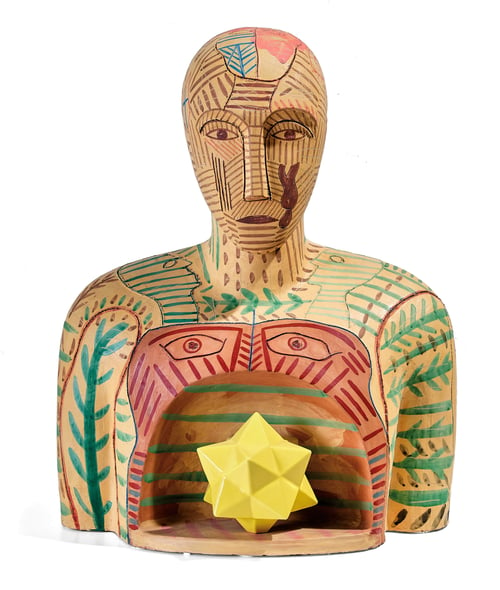
Mimmo Paladino
© Mimmo Paladino. All rights reserved.

Mimmo Paladino
Senza titolo, 1999
Drawing / Watercolor
Collage
EUR 12,000
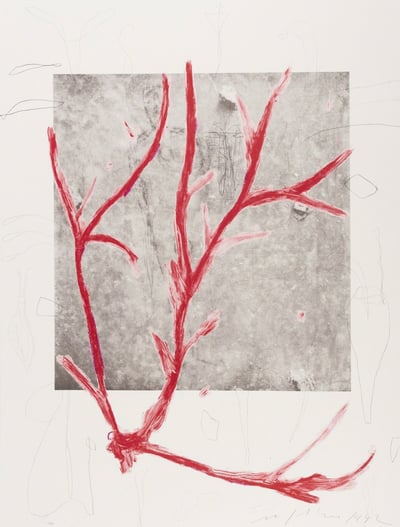
Mimmo Paladino
Untitled (Columbus: In Search of a New Tomorrow), 1992
Limited Edition Print
Screen-print
USD 800
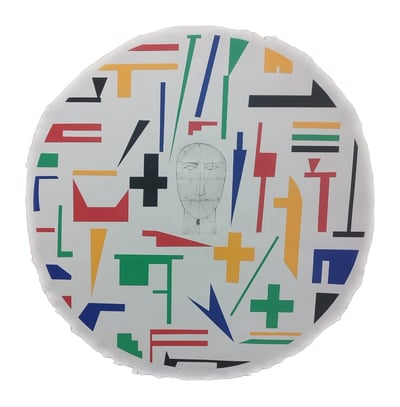
Mimmo Paladino
Scudo 3, 1999
Limited Edition Print
Mixed Media
EUR 2,530
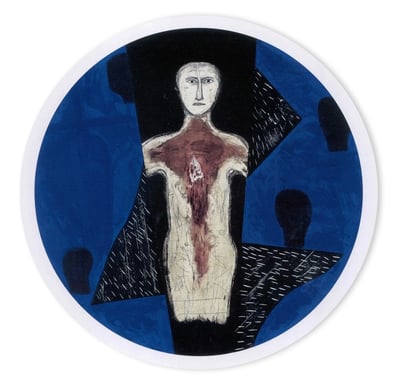
Mimmo Paladino
Oceania, 1996
Limited Edition Print
Mixed Media
EUR 2,530
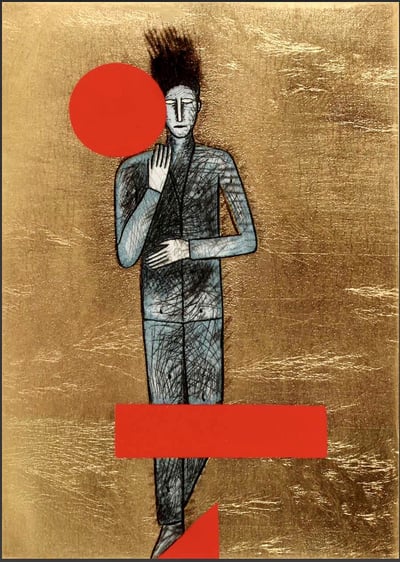
Mimmo Paladino
Sans Titre, 2001
Limited Edition Print
Mixed Media
EUR 1,250
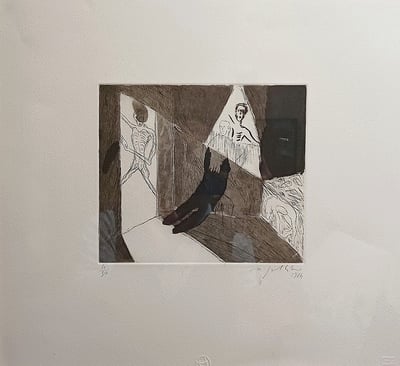
Mimmo Paladino
Necropolis, 1984
Limited Edition Print
Etching
EUR 1,250
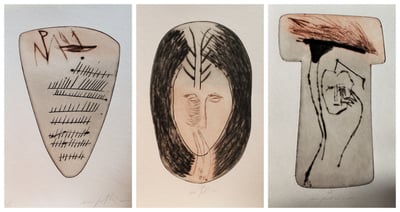
Mimmo Paladino
Hundert tage für salzburg, 1984
Limited Edition Print
Etching and Aquatint
EUR 1,250
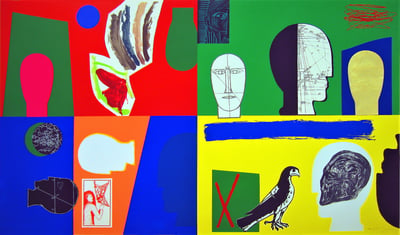
Mimmo Paladino
Stupor Mundi, 2011
Limited Edition Print
Etching and Aquatint
EUR 4,200
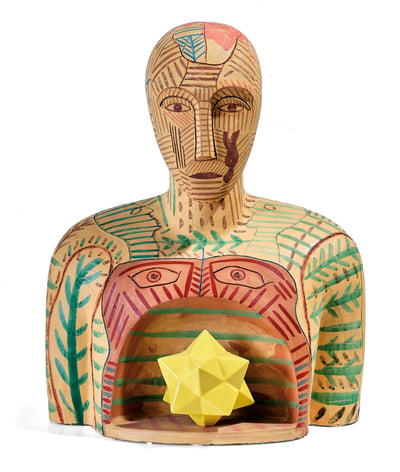
Mimmo Paladino
Senza titolo, 2003
Sculpture / Object
Ceramic
EUR 8,300
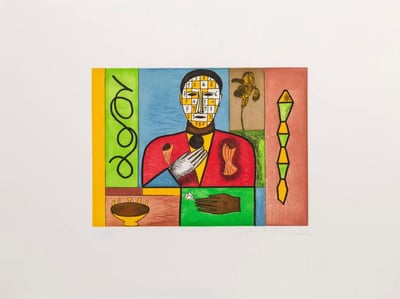
Mimmo Paladino
Mathematico 2, 2001
Limited Edition Print
Etching and Aquatint
EUR 1,500
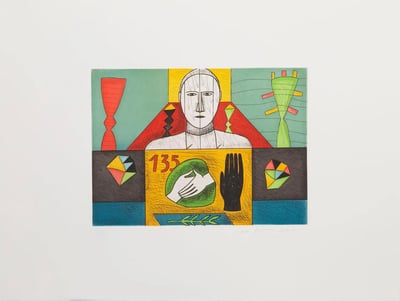
Mimmo Paladino
Mathematico 3, 2001
Limited Edition Print
Etching and Aquatint
EUR 1,500
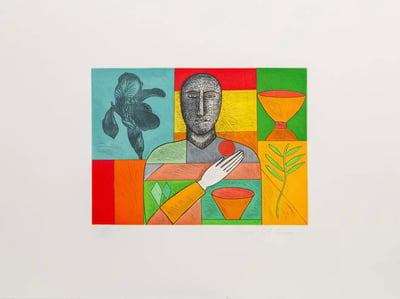
Mimmo Paladino
Mathematico 4, 2001
Limited Edition Print
Etching and Aquatint
EUR 1,500
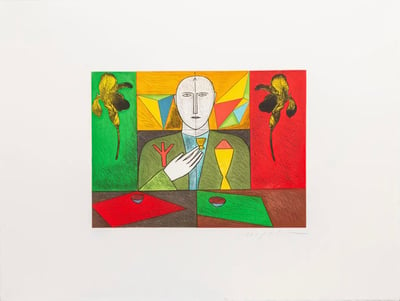
Mimmo Paladino
Mathematico 5, 2001
Limited Edition Print
Etching and Aquatint
EUR 1,500
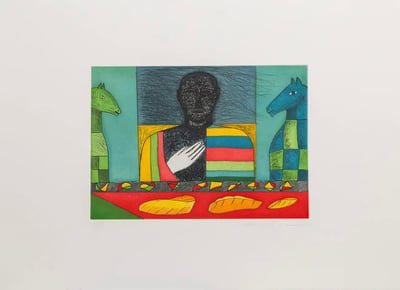
Mimmo Paladino
Mathematico 6, 2001
Limited Edition Print
Etching and Aquatint
EUR 1,500
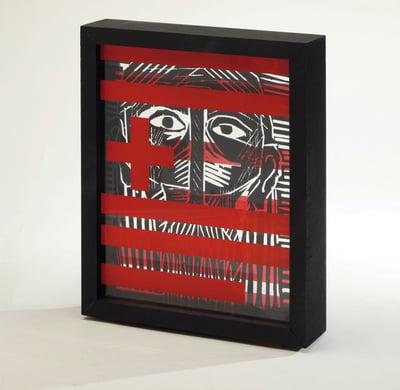
Mimmo Paladino
Nord Sud Mari dell'Est Mari dell'Ovest, 2010
Sculpture / Object
Mixed Media
EUR 3,500
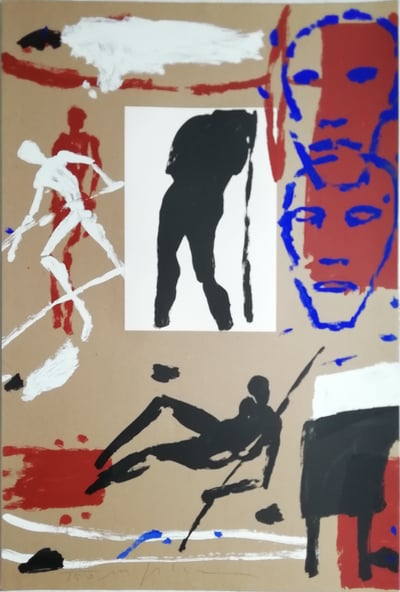
Mimmo Paladino
Untitled (olympic-suite), 1981
Limited Edition Print
Serigraph
EUR 2,150
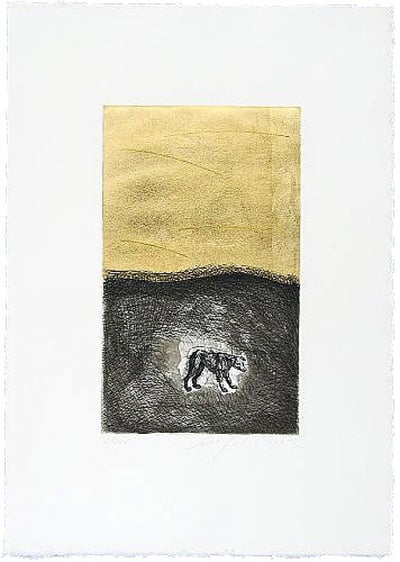
Mimmo Paladino
Dog, 2002
Limited Edition Print
Aquatint
Currently Not Available
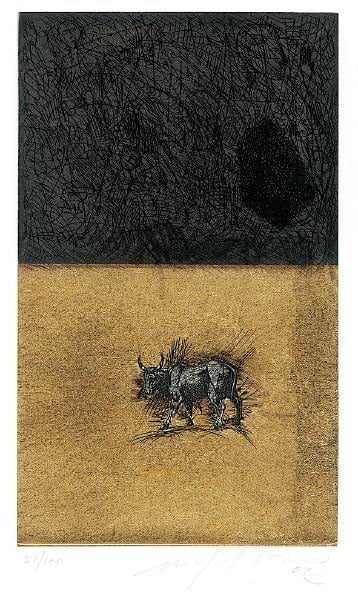
Mimmo Paladino
Bull
Limited Edition Print
Aquatint
Currently Not Available
- Mimmo Paladino
Related Artists
Related Articles
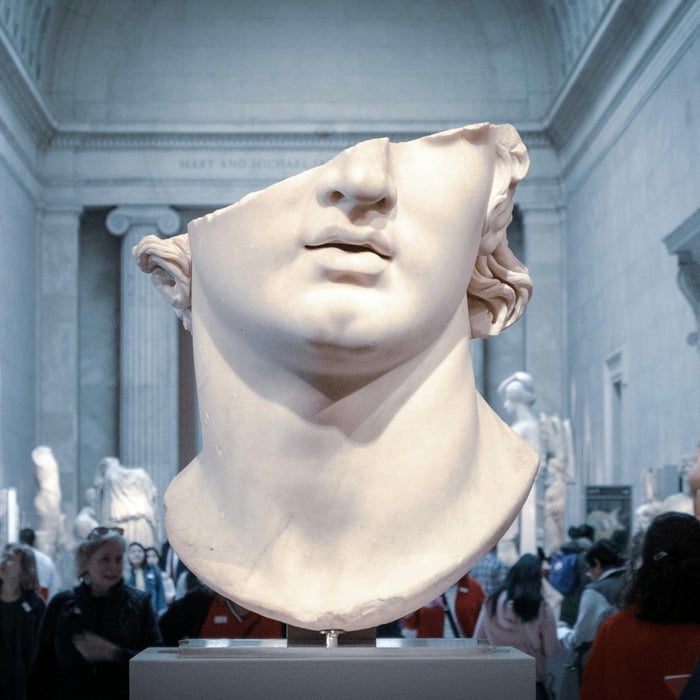
Collecting, Popular - July 23, 2025
Sculpture Care and Display: From Plinths to Pedestals in Your Home
Learn how to display and care for sculpture at home—from lighting tips to material care—so your art can truly shine in any space.Read More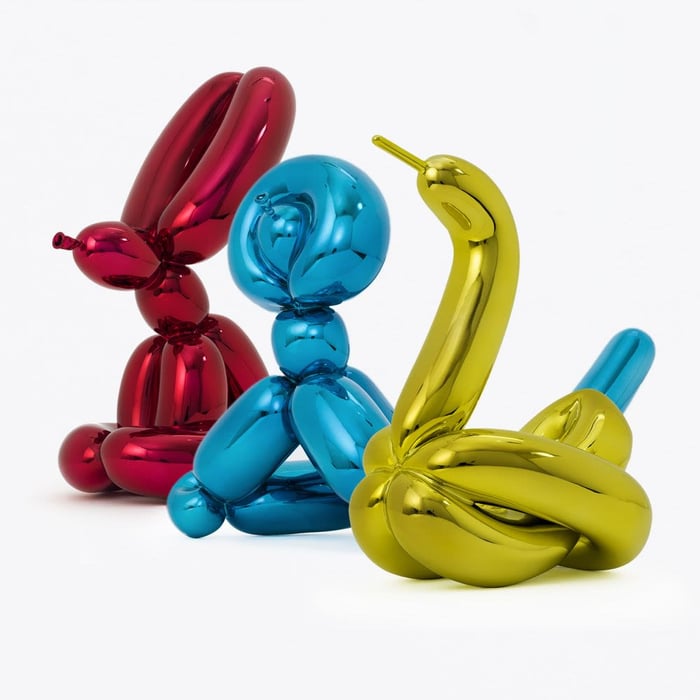

 Artwork by Francesco Clemente
What is Transvanguardia ?
Transavanguardia is the Italian version of Neo-Expressionism, referring to an art movement that emerged in Italy and other parts of Western Europe during the 1970s and 1980s. The term translates to beyond the avant-garde. Transavanguardia arose as a reaction against the dominance of conceptual art, reintroducing emotion and reviving painting as a primary med…
Explore »

