

France
Contemporary Art in France is a testament to the country's rich artistic heritage and its innovative spirit. French artists, such as Pierre Soulages and Yves Klein, have made significant contributions to the global art scene, creating works that span various mediums and explore themes from societal issues to personal experiences. Paris, the heart of France's art scene, is home to numerous galleries and museums, including the Centre Pompidou, which houses Europe's largest collection of modern and contemporary art. French contemporary art, thus, serves as a powerful platform for dialogue and expression, pushing boundaries and challenging conventions.
- Show All
- Established
- Discoveries
- Show All
Artworks Related to France

Mr. Brainwash
All you need is He(Art), 2021
Limited Edition Print
Screen-print
USD 1,200

Invader
Rubik country life, 2023
Limited Edition Print
Mixed Media
GBP 6,600

Fernandez Arman
Candy, 1970
Sculpture / Object
Assemblage
EUR 14,850
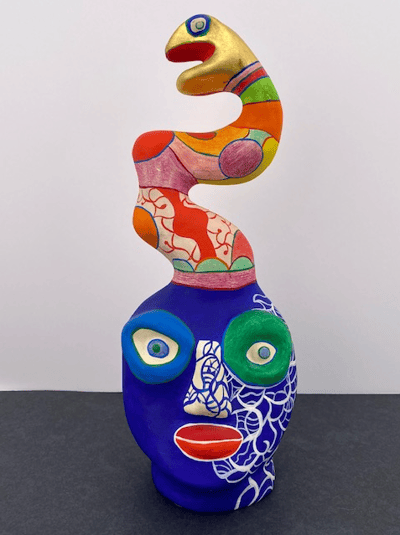
Niki De Saint Phalle
Kundalini, 1995
Sculpture / Object
Resin
Currently Not Available

Invader
Rubik Shot Red Marilyn NVDR1-4, 2023
Limited Edition Print
Mixed Media
USD 6,600

Mr. Brainwash
The World is Beautiful (Pink), 2020
Limited Edition Print
Screen-print
USD 10,750

Mr. Brainwash
Michael Jackson Marilyn Wig, 2010
Limited Edition Print
Screen-print
USD 3,900

Marc Chagall
Menu Pour Une Reception Sur le Bateau-Mouche, 1959
Limited Edition Print
Lithograph
USD 7,350
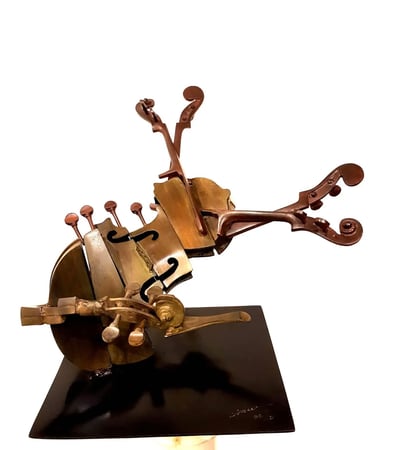
Fernandez Arman
Violin, 1999
Sculpture / Object
Bronze
EUR 25,000 - 35,000

Cesar Baldaccini
Friendship, C.1970
Drawing / Watercolor
Watercolor
EUR 4,950

Fernandez Arman
Accumulation, Tee, 1994
Sculpture / Object
Assemblage
Currently Not Available

Marc Chagall
Creation - Adam and Eve, 1960
Limited Edition Print
Lithograph
EUR 7,350

Marc Chagall
Bath-Sheba at the Feet of David, 1958
Limited Edition Print
Etching
EUR 10,000 - 15,000
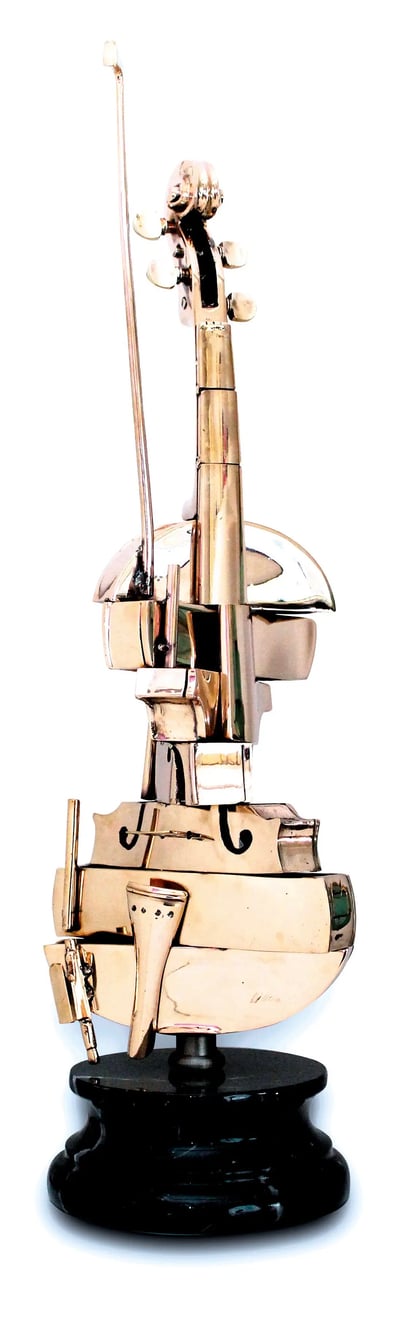
Fernandez Arman
Violon Spiralé, 2001-2002
Sculpture / Object
Bronze
EUR 17,000 - 20,000
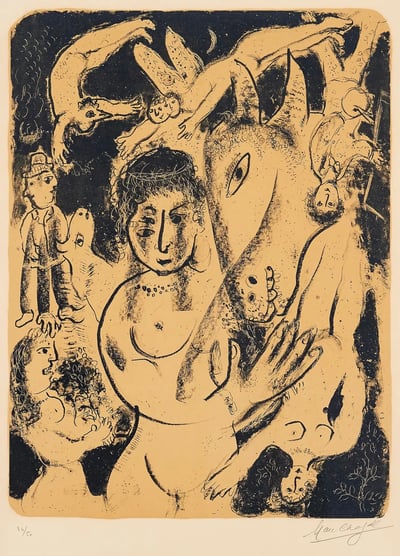
Marc Chagall
A Midsummer Night''s dream, 1974
Limited Edition Print
Lithograph
EUR 19,500

Marc Chagall
Summer's Dream, 1983
Limited Edition Print
Lithograph
EUR 25,000 - 30,000
Related Articles
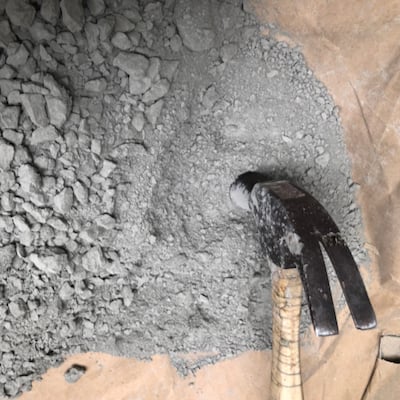
Cement refers to a variety of mixtures, typically made from clay, limestone, water, sand, and gravel, which form concrete used in construction. The term to cement also means to join or unite materials. In art, cement can refer to the process of securely gluing or bonding elements together, often used in sculptural work or mixed media.

Systems Art refers to a group of artists who, during the late 1960s and early 1970s, used the frameworks of conceptualism and minimalism to create art that was responsive to its environment. Rejecting traditional art themes, they embraced aesthetic systems and experimented with diverse media. Systems Art often connected with contemporary political movements of the time, emphasizing the interrelationship between the artwork, its context, and the broader social and political environment.
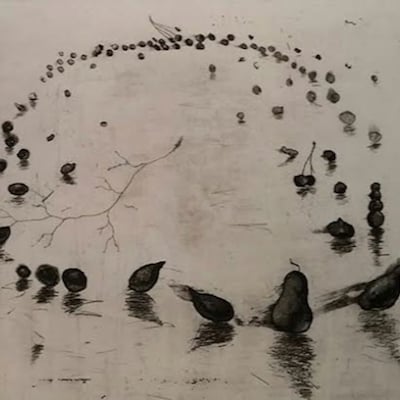
Drypoint is an intaglio printmaking technique where an image is incised onto a plate using a sharp, pointed tool, typically a needle made of metal or diamond. Traditionally, copper plates were used, but today zinc, plexiglass, or acetate are also common. Drypoint is easier for drawing artists to master compared to engraving, as the needle technique resembles drawing with a pencil rather than the more complex burin used in engraving.
Can't find your Answer?
Thank you! Your question has been sent — we'll get back to you shortly.
