

What is appropriation?
- Show All
- Established
- Discoveries
- Show All
Artworks Related to Appropriation

Andy Warhol
Volkswagen (F. & S. II.358), 1985
Limited Edition Print
Screen-print
USD 80,000 - 90,000
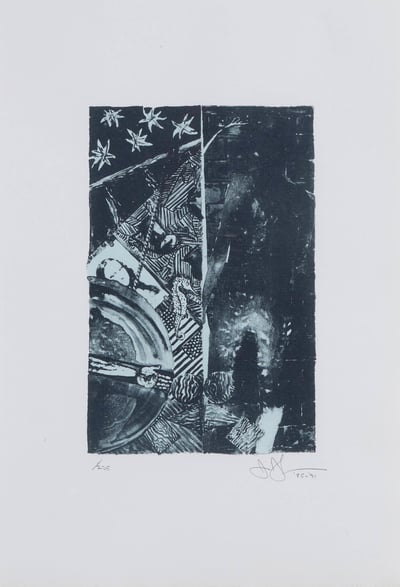
Jasper Johns
Summer (Blue), 1985-91
Limited Edition Print
Lithograph
USD 4,690
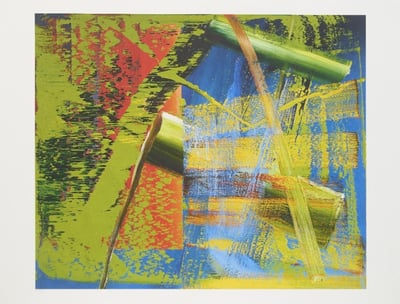
Gerhard Richter
Abstraktes Bild (Werk 563-1), 1984/2024
Limited Edition Print
Mixed Media
EUR 1,880
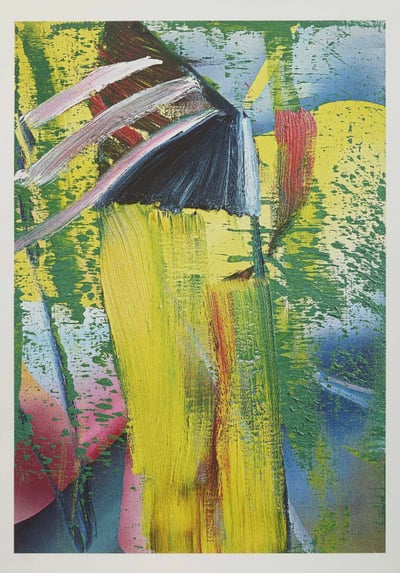
Gerhard Richter
Abstraktes Bild (Werk 522-3), 1983/2024
Limited Edition Print
Mixed Media
EUR 1,880
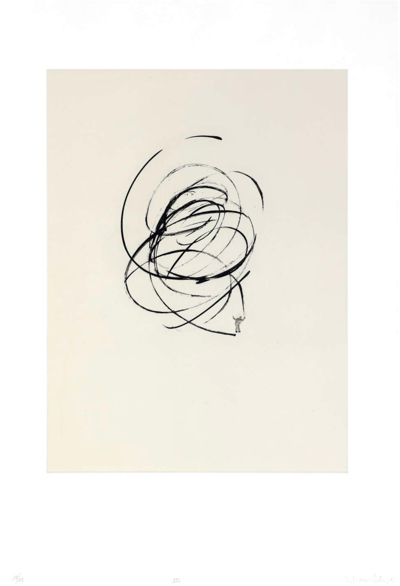
Liliana Porter
Dibujos III, 2025
Limited Edition Print
Collage
EUR 3,000
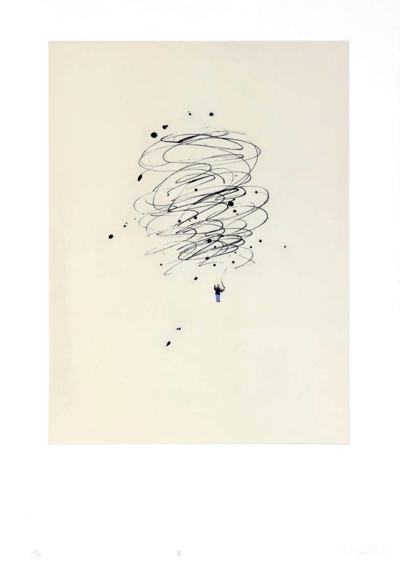
Liliana Porter
Dibujos II, 2025
Limited Edition Print
Collage
Currently Not Available
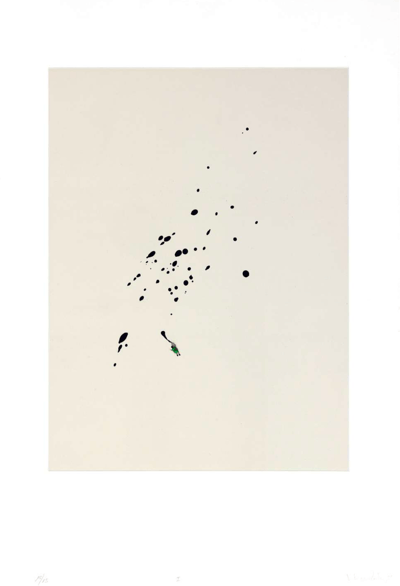
Liliana Porter
Dibujos I, 2025
Limited Edition Print
Collage
EUR 3,000

Damien Hirst
H4-6 Kew, 2020
Limited Edition Print
Giclée printing
GBP 10,000 - 15,000

Andy Warhol
Flash (November 22 1963) portfolio, 1968
Limited Edition Print
Screen-print
USD 100,000 - 120,000
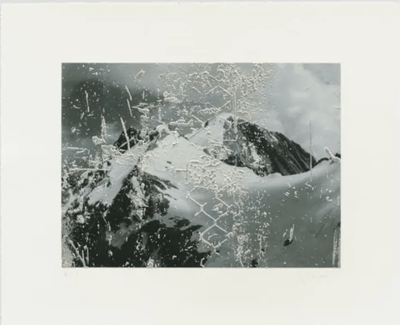
Rudolf Stingel
Untitled, 2023
Limited Edition Print
Digital print on canvas
USD 5,000 - 6,000
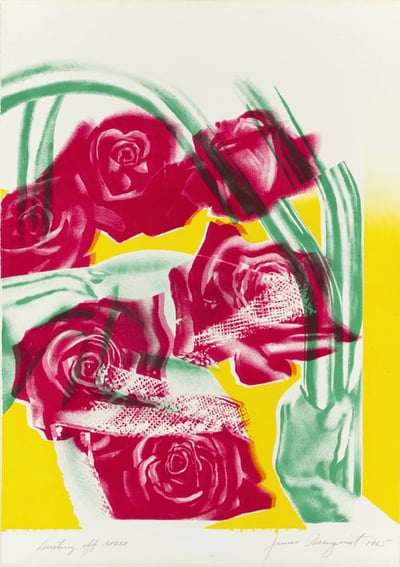
James Rosenquist
Dusting off Roses, 1965
Limited Edition Print
Lithograph
Inquire For Price
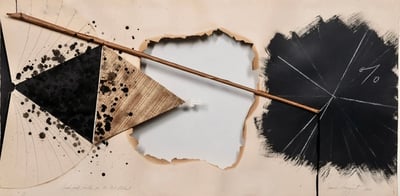
James Rosenquist
Book and Pointer for the fast Student, 1977
Drawing / Watercolor
Collage
Inquire For Price
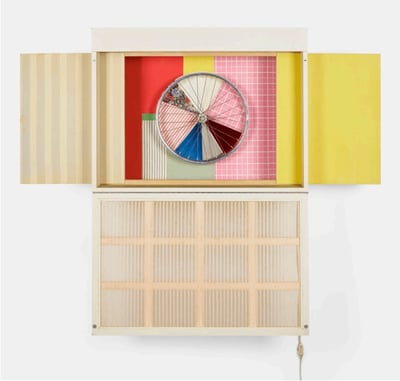
Robert Rauschenberg
Publicon Station IV, 1978
Sculpture / Object
Mixed Media
USD 34,000 - 50,000
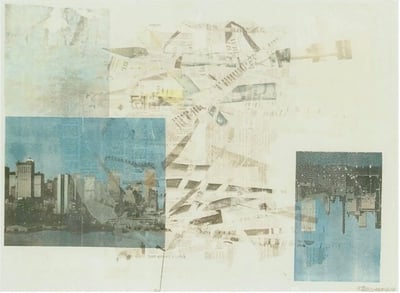
Robert Rauschenberg
Bait (Stoned Moon Series), 1982
Drawing / Watercolor
Mixed Media
Inquire For Price
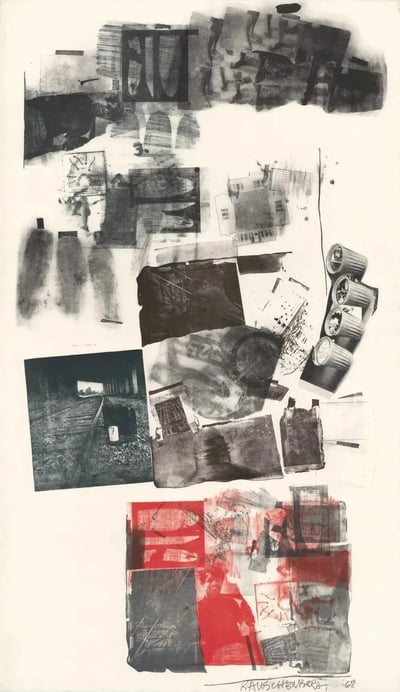
Robert Rauschenberg
Water Stop, 1968
Limited Edition Print
Lithograph
Inquire For Price

Andy Warhol
Flowers (Black and White), FS II.101, 1974
Limited Edition Print
Screen-print
USD 10,750
Related Articles
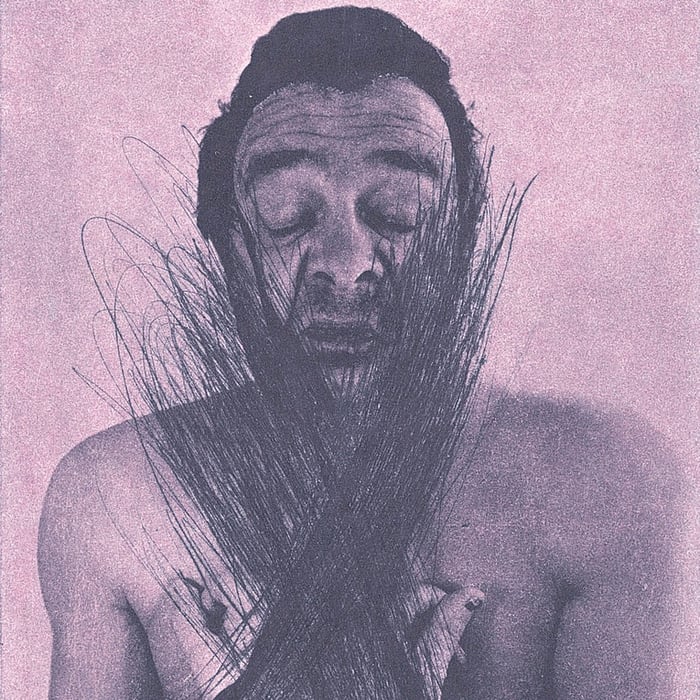

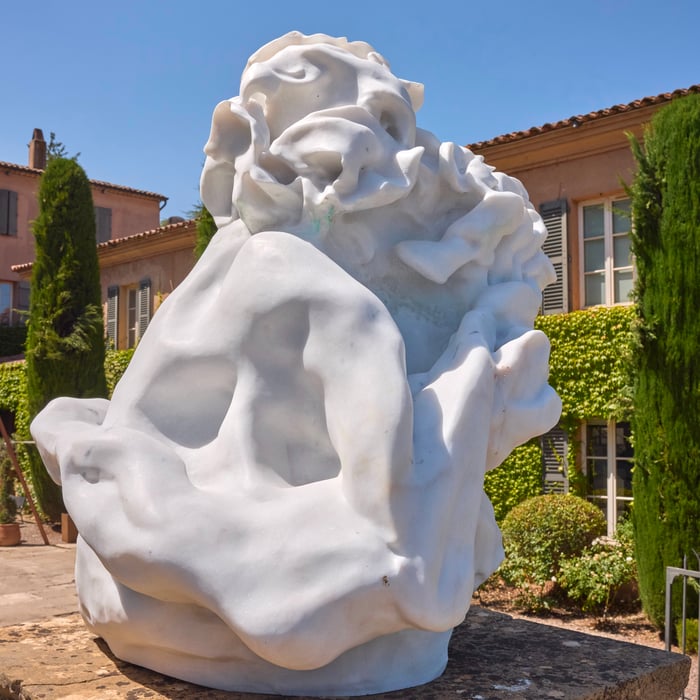

Recto and verso are terms used to describe the right and left pages of an open book, or the front and back of a sheet of paper. In both cases, recto refers to the right-hand page or the front of the paper, while verso refers to the left-hand page or the back of the paper. These terms are commonly used in bookbinding, printmaking, and art to distinguish between the two sides of a sheet.

Monoprinting is a printmaking technique where a single impression is created from a re-printable surface, such as a lithographic stone, wood block, or metal plate. Unlike traditional printmaking, where multiple copies are produced, monoprinting results in a unique image. Techniques used in monoprinting include etching, lithography, and woodcut, but the key characteristic is that each print is one-of-a-kind.
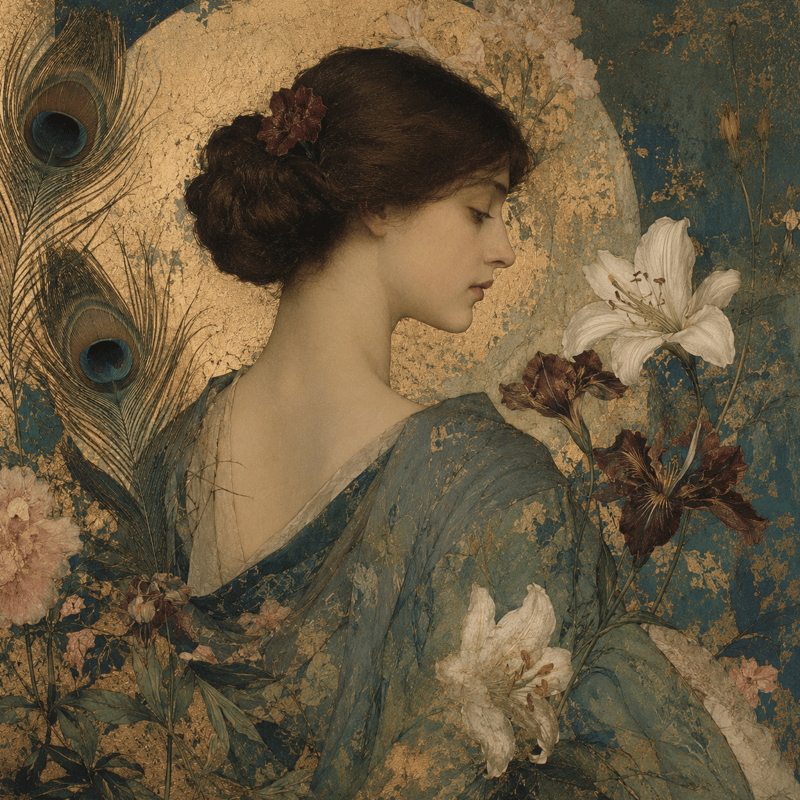
The Aesthetic Movement emerged in the late 19th century, emphasizing the beauty and sensual qualities of art over practical or moral considerations. It promoted the idea of creating art for its own sake, valuing beauty and aesthetic experience as ends in themselves. The movement was particularly influential in Britain.
Can't find your Answer?
Thank you! Your question has been sent — we'll get back to you shortly.
