

What is appropriation?
- Show All
- Established
- Discoveries
- Show All
Artworks Related to Appropriation

Damien Hirst
Untitled (Spin circle), 2009
Painting
Acrylic on paper
GBP 15,000 - 20,000

Damien Hirst
Untitled (spin star), 2009
Painting
Acrylic on paper
GBP 15,000 - 20,000

Damien Hirst
Untitled (spin butterfly), 2009
Painting
Acrylic on paper
GBP 15,000 - 20,000

Shepard Fairey
Peace Fingers, 2023
Sculpture / Object
Resin
GBP 2,400

Andy Warhol
Gun Collection Photgraph
Limited Edition Print
Gelatin Silver Print
Inquire For Price

Damien Hirst
Untitled B (Spot Drawing), 2025
Limited Edition Print
Pigment print
GBP 10,000 - 12,000

Andy Warhol
Mao (F & S II.92), 1972
Limited Edition Print
Screen-print
USD 45,000 - 55,000
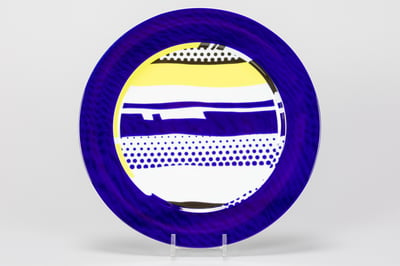
Roy Lichtenstein
Rosenthal plate 2, 2000
Sculpture / Object
Plate
EUR 750
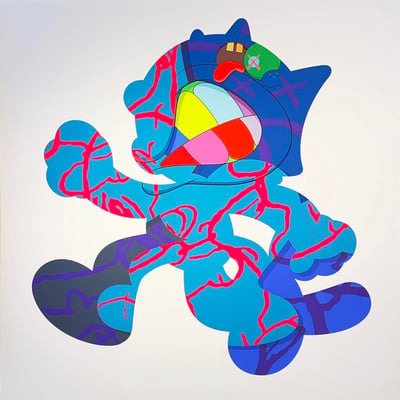
KAWS
Ankle Bracelet, 2017
Limited Edition Print
Silkscreen
USD 45,000 - 50,000

Andy Warhol
Ads: Life Savers, II.353, 1985
Limited Edition Print
Screen-print
USD 120,000 - 150,000
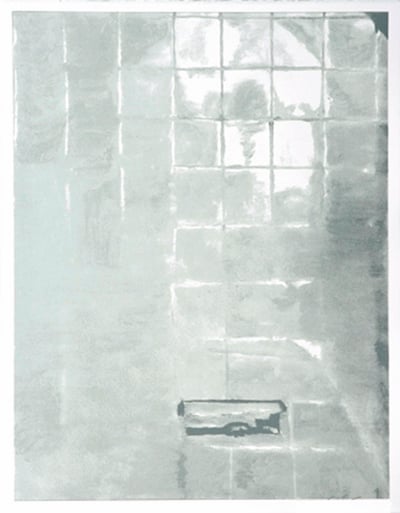
Luc Tuymans
Tiles, 1970
Limited Edition Print
Screen-print
EUR 3,500

David Batchelor
Chromoscape 6-10, 2018
Limited Edition Print
Lithograph
EUR 1,200

Andy Warhol
Queen Margrethe II of Denmark, FS II. 342A, 1985
Limited Edition Print
Screen-print
USD 50,000 - 60,000

Andy Warhol
Committee 2000, II.289, 1982
Limited Edition Print
Screen-print
USD 16,850

Robert Rauschenberg
Cunningham Relief (from the Merce Cunningham portfolio), 1974-75
Limited Edition Print
Embossing
Inquire For Price

Andy Warhol
Edward Kennedy FS II.240, 1980
Limited Edition Print
Screen-print
Inquire For Price
Related Articles
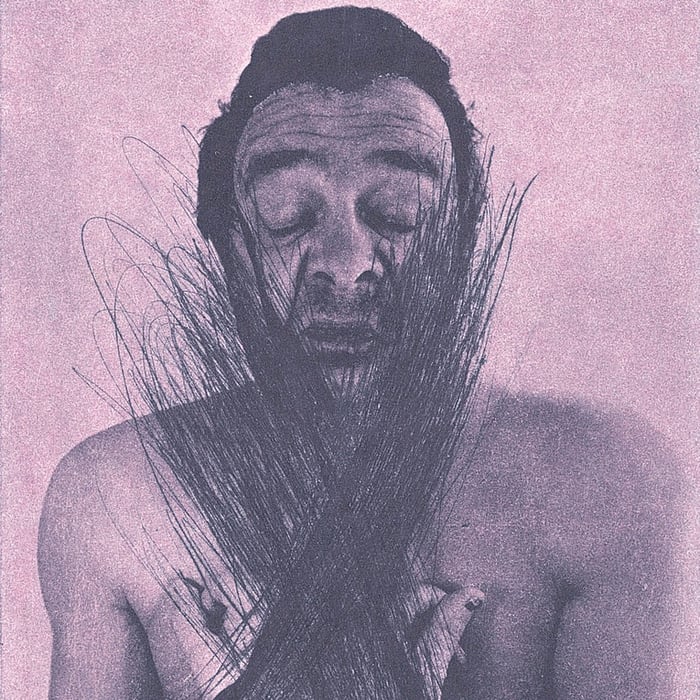

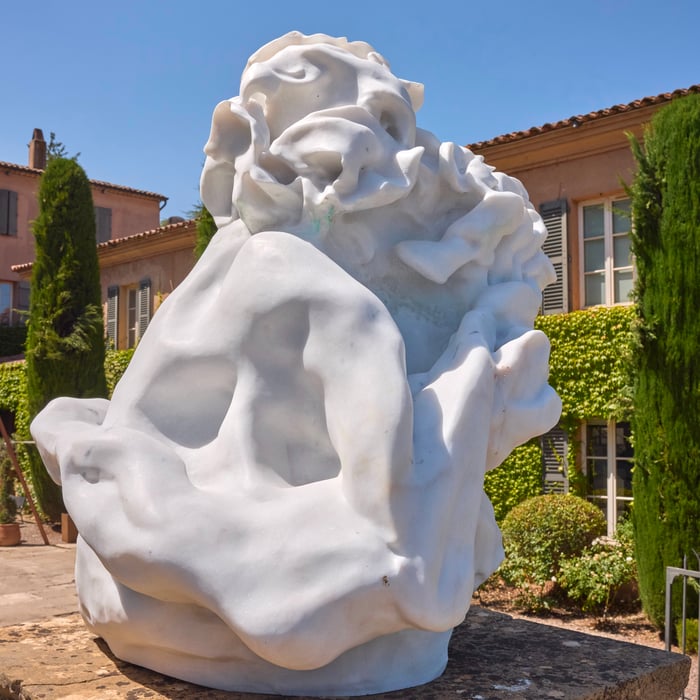

Tapestry is a heavy, handwoven textile featuring intricate designs or images woven directly into the fabric. Created by skilled weavers using materials like wool, linen, cotton, silk, and sometimes silver and gold threads, tapestries have historically served as art pieces, decorations, insulation, and symbols of authority.
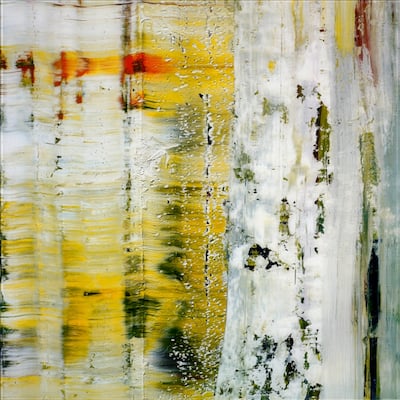
Capitalist Realism is a German form of political pop art that emerged in Cold War-era Berlin in 1963. It sought to challenge the dominance of American pop art in the Western world. The movement blended the ideologies of both pop art and socialist realism, offering a critique of consumer culture and political power.
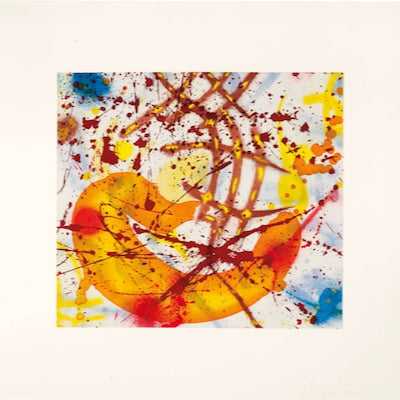
Action Painting is a style of painting where the physical act of creating art—such as gestural brushstrokes, splashing or dripping paint, or moving and dancing while applying paint—is considered essential to the artwork itself. This approach emphasizes the artist's movement and spontaneity as integral to the creative process.
Can't find your Answer?
Thank you! Your question has been sent — we'll get back to you shortly.
