

What is appropriation?
- Show All
- Established
- Discoveries
- Show All
Artworks Related to Appropriation
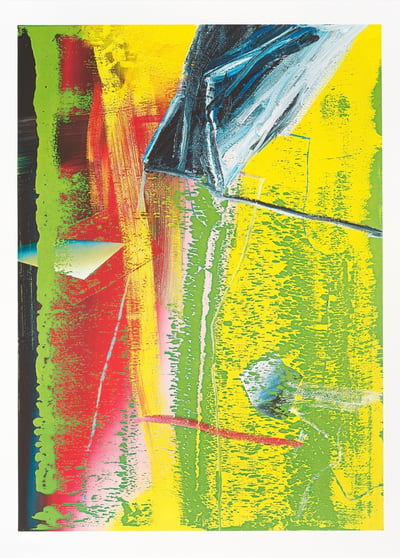
Gerhard Richter
Abstraktes Bild, 1982 (Werk 503), 1982/2025
Limited Edition Print
Mixed Media
EUR 1,880
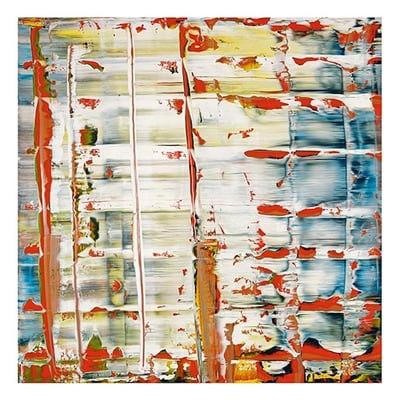
Gerhard Richter
Abstraktes Bild, 1992/2023
Limited Edition Print
Mixed Media
EUR 1,880

Allan D'Arcangelo
Smoke Dreams, 1980
Limited Edition Print
Screen-print
Inquire For Price

Richard Prince
Protest porfolio, 2014
Photography
Inkjet print
EUR 12,000

Barbara Kruger
Untitled (2Kiss), 2024
Sculpture / Object
Mixed Media
EUR 1,850

KAWS
Holiday UK (set of two), 2011
Sculpture / Object
Ceramic
EUR 2,500

Damien Hirst
Circle Spin, 2009
Painting
Acrylic on paper
EUR 5,000
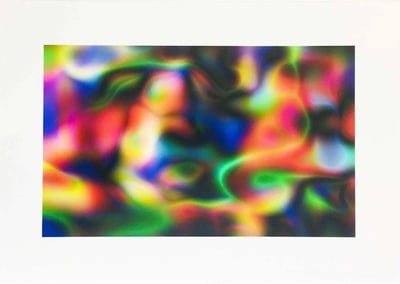
Thomas Ruff
Substrat 21 III, 2003-2019
Photography
C-Print
EUR 1,750
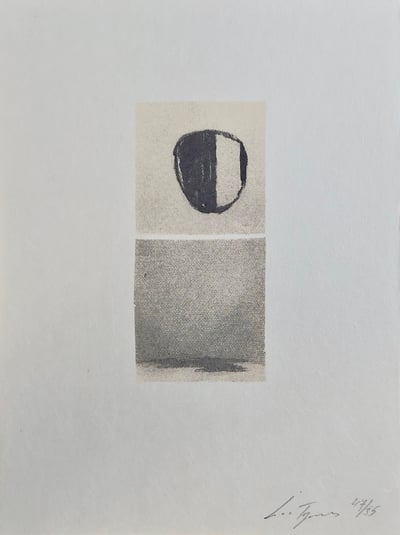
Luc Tuymans
Het versluierd beeld, 2001
Limited Edition Print
Screen-print
EUR 2,400
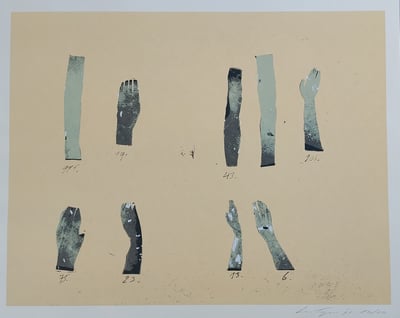
Luc Tuymans
Wiedergutmachung, 1995
Limited Edition Print
Silkscreen
EUR 2,400

Robert Rauschenberg
In Transit (Goddess Depot), 2001
Limited Edition Print
Lithograph
USD 6,600

Andy Warhol
Mao, II.99, 1972
Limited Edition Print
Silkscreen
USD 90,000 - 110,000

Andy Warhol
Flash - November 22, 1963, II.41, 1968
Limited Edition Print
Screen-print
USD 13,200

Andy Warhol
After the Party, II.183, 1979
Limited Edition Print
Screen-print
USD 40,000 - 50,000

James Rosenquist
Sketch for Forest Ranger, 1967
Limited Edition Print
Silkscreen
USD 1,500

Roy Lichtenstein
Untitled Plate (Waterlily), 1990
Ceramics
Plate
USD 2,500
Related Articles


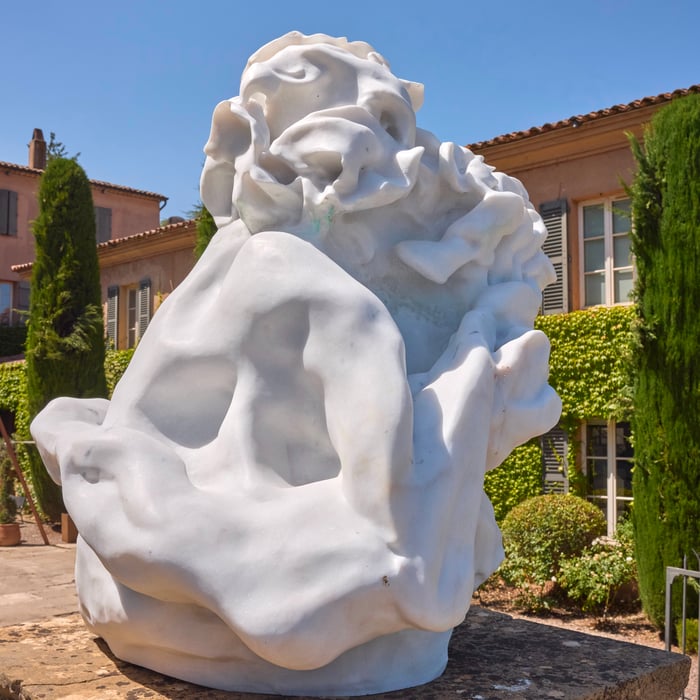

Naïve art describes a style of artwork that is simple and unsophisticated, often created by artists without formal training in an academy or art school. The style is characterized by a lack of advanced techniques, giving it a childlike appearance. Naïve art often features bright colors, simple shapes, and a straightforward approach to subject matter, reflecting the artist's untrained perspective.

Sometimes known as Figurativism, figurative art refers to sculptures and paintings that are clearly or specifically derived from real objects, making them representational. The term figurative art is often used in contrast to abstract art. However, since the emergence of abstract art, figurative art has come to describe any form of modern art that has strong references to the real world or actual situations.
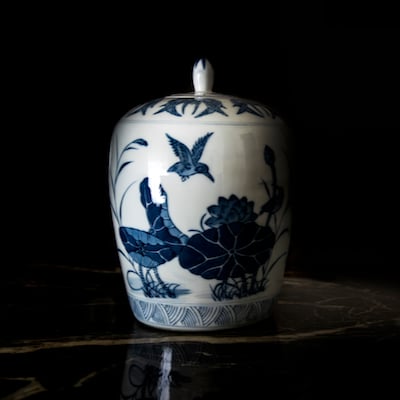
Porcelain is a hard, durable material made from clay, primarily composed of the mineral kaolinite. It is fired at high temperatures, resulting in a fine, white, and often translucent finish. Porcelain is used to create art objects and a wide range of household items such as dishes and bowls. Porcelain items are especially popular for painting with special glazes due to their smooth surface and ability to hold intricate designs.
Can't find your Answer?
Thank you! Your question has been sent — we'll get back to you shortly.
