

What is appropriation?
- Show All
- Established
- Discoveries
- Show All
Artworks Related to Appropriation

Mr. Brainwash
Love Above All, 2024
Painting
Mixed Media
EUR 7,200
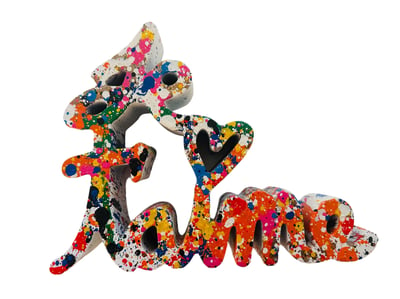
Mr. Brainwash
Je t'aime (Splash), 2018
Sculpture / Object
Resin
EUR 3,000
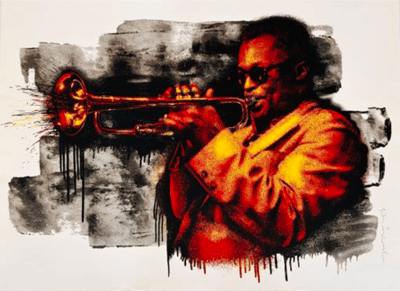
Mr. Brainwash
Miles Davis (Red, Yellow), 2015
Limited Edition Print
Screen-print
EUR 2,500
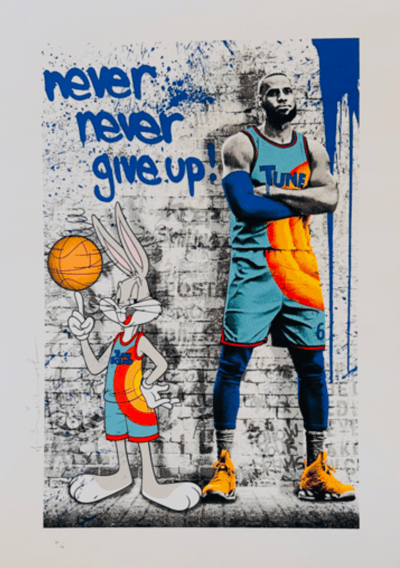
Mr. Brainwash
Tune Squad, 2021
Limited Edition Print
Screen-print
EUR 3,800
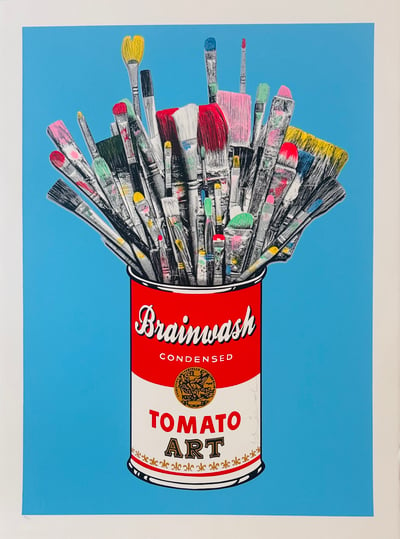
Mr. Brainwash
Tomato Pop (Blue), 2023
Limited Edition Print
Screen-print
EUR 3,500
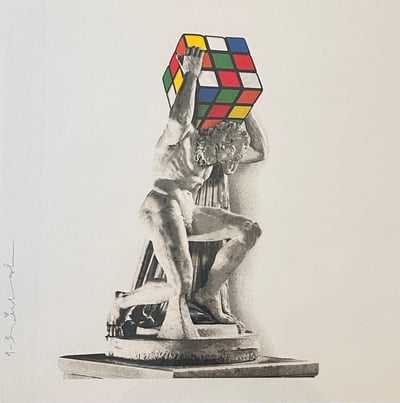
Mr. Brainwash
Rubik's Atlas, 2021
Limited Edition Print
Screen-print
EUR 1,800

Andy Warhol
Wild Raspberries IV 140A (Gardoons A La Mousseline), 1959
Limited Edition Print
Offset Print
EUR 6,600

Andy Warhol
Wild Raspberries IV 137A (Baked Hawaii), 1959
Limited Edition Print
Offset Print
EUR 6,600

Andy Warhol
Queen Ntombi Twala of Swaziland, 1985
Limited Edition Print
Screen-print
EUR 23,500

Andy Warhol
Neuschwanstein (Poster), 1987
Limited Edition Print
Serigraph
EUR 4,800

Andy Warhol
Vegetarian Vegetable, II.56 from Campbell's Soup II, 1969
Limited Edition Print
Screen-print
USD 70,000 - 80,000
Andy Warhol
Private Listing
Limited Edition Print
Andy Warhol
Private Listing
Drawing / Watercolor
Andy Warhol
Private Listing
Drawing / Watercolor
Andy Warhol
Private Listing
Drawing / Watercolor
Andy Warhol
Private Listing
Limited Edition Print
Related Articles
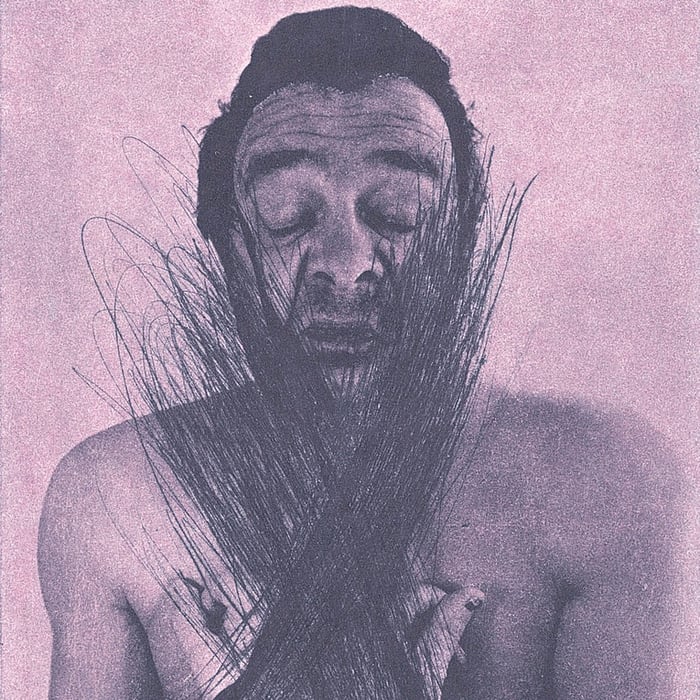

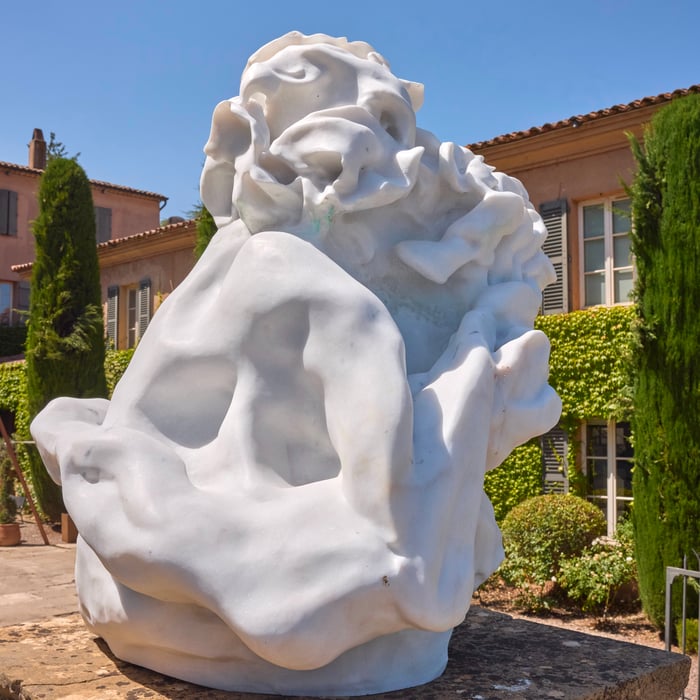

Sometimes known as Figurativism, figurative art refers to sculptures and paintings that are clearly or specifically derived from real objects, making them representational. The term figurative art is often used in contrast to abstract art. However, since the emergence of abstract art, figurative art has come to describe any form of modern art that has strong references to the real world or actual situations.

Transavanguardia is the Italian version of Neo-Expressionism, referring to an art movement that emerged in Italy and other parts of Western Europe during the 1970s and 1980s. The term translates to beyond the avant-garde. Transavanguardia arose as a reaction against the dominance of conceptual art, reintroducing emotion and reviving painting as a primary medium. The movement marked a return to mythic imagery and figurative art, celebrating a rediscovery of traditional forms and themes in a contemporary context.
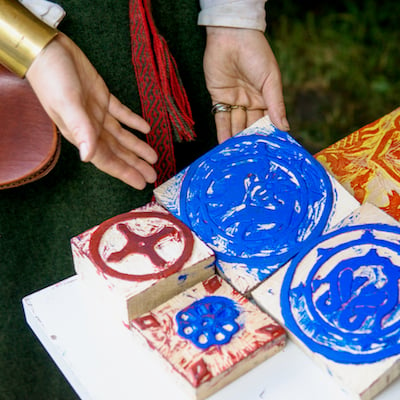
Woodblock printing is a technique that uses a carved wooden surface to create an image on materials such as paper or cloth. Ink or paint is applied thinly to the carved surface, which is then pressed against the material to transfer the image. This method has been historically significant in various cultures for producing prints and textiles.
Can't find your Answer?
Thank you! Your question has been sent — we'll get back to you shortly.
