

What is appropriation?
- Show All
- Established
- Discoveries
- Show All
Artworks Related to Appropriation

Damien Hirst
Lorabid 200mg, 2014
Sculpture / Object
Mixed Media
GBP 8,000 - 10,000

Damien Hirst
Theo-Dur Repetabs 200mg, 2014
Sculpture / Object
Mixed Media
GBP 8,000 - 10,000

Damien Hirst
Selflessness (from The Secrets), 2024
Limited Edition Print
Giclée printing
GBP 10,000 - 15,000
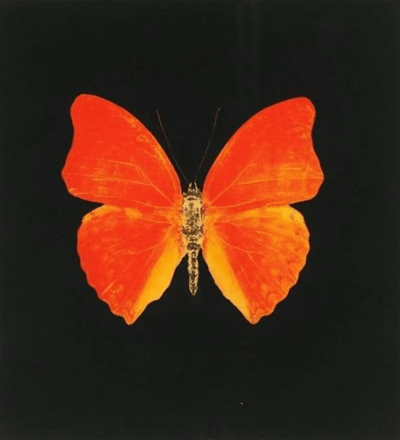
Damien Hirst
Memento 3, 2008
Limited Edition Print
Intaglio
Inquire For Price
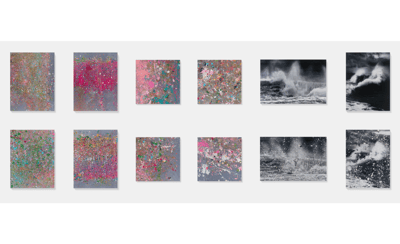
Damien Hirst
Where the Land Meets the Sea, 2023
Limited Edition Print
Giclée printing
Inquire For Price
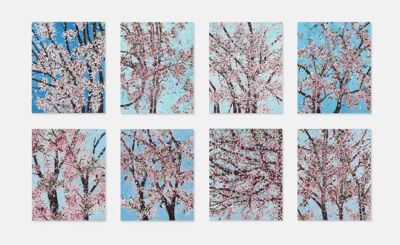
Damien Hirst
The Virtues (set of 8), 2021
Limited Edition Print
Giclée printing
Inquire For Price

Andy Warhol
Daily News - LBJ to Kremlin – Y'all Come, 1967
Limited Edition Print
Silkscreen
USD 20,000

Robert Rauschenberg
Publicon Station I, 1978
Sculpture / Object
Mixed Media
USD 30,000 - 45,000

Andy Warhol
S & H Green Stamps, 1965
Limited Edition Print
Offset Print
USD 11,400
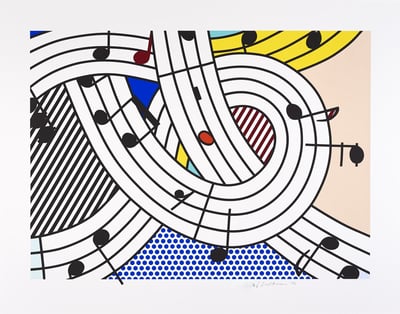
Roy Lichtenstein
Composition II, 1996
Limited Edition Print
Screen-print
USD 80,000 - 90,000

Andy Warhol
Tomato Soup, II.46 from Campbell's Soup I, 1968
Limited Edition Print
Screen-print
USD 150,000 - 170,000

Andy Warhol
$ (9), II.285, 1982
Limited Edition Print
Screen-print
USD 200,000 - 250,000

Andy Warhol
The Marx Brothers (F. & S. II.232), 1980
Limited Edition Print
Serigraph
USD 50,000 - 60,000

Andy Warhol
Cowboys and Indians: Northwest Coast Mask, II.380, 1986
Limited Edition Print
Screen-print
USD 39,700

Andy Warhol
Mao (F & S II.96), 1972
Limited Edition Print
Screen-print
USD 45,000 - 55,000

Andy Warhol
Merce Cunningham, 1974
Limited Edition Print
Screen-print
USD 14,000
Related Articles
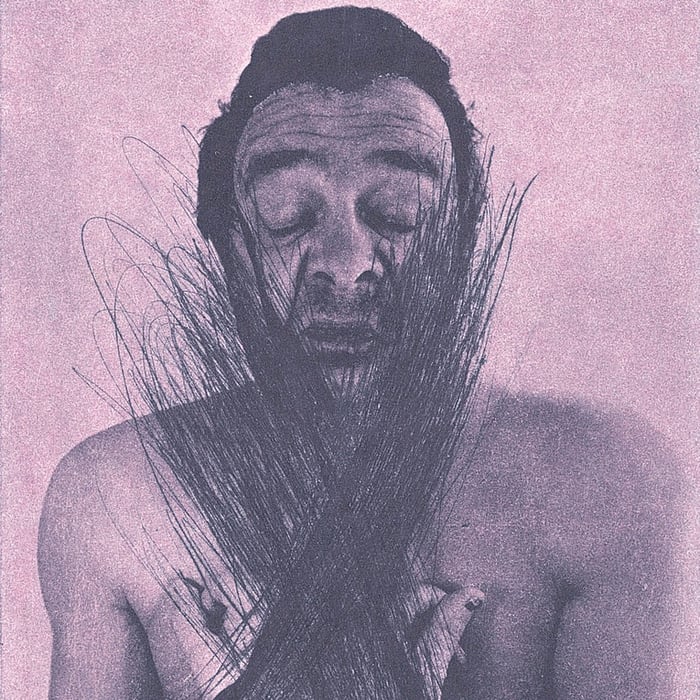

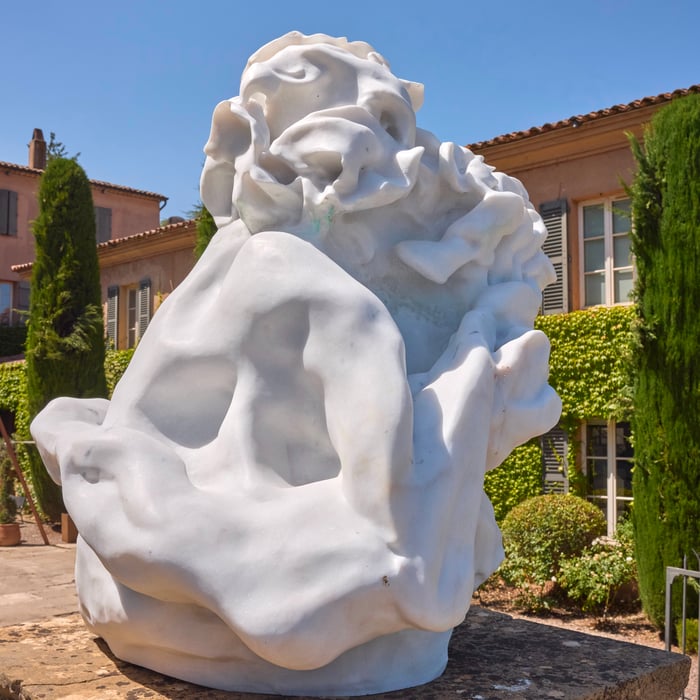

Light art refers to artworks that use light as the primary medium. These can include sculptures or installations that interact with the natural or urban environment. Light art can be suspended, in relief, ground-based, permanent, or temporary. There are two main types of light art: one displayed indoors in galleries and another exhibited outdoors. Light art has been used throughout human history, from ancient times to contemporary public installations.

Avant-garde refers to innovative and experimental ideas in the arts that challenge established norms and conventions. Originating from the French term for advance guard, it describes both the movement and the artists who push the boundaries of creativity, often exploring new techniques, forms, and concepts. The avant-garde has been a driving force in various art movements throughout history, such as Dadaism, Surrealism, and Abstract Expressionism, continually reshaping the landscape of art and culture.
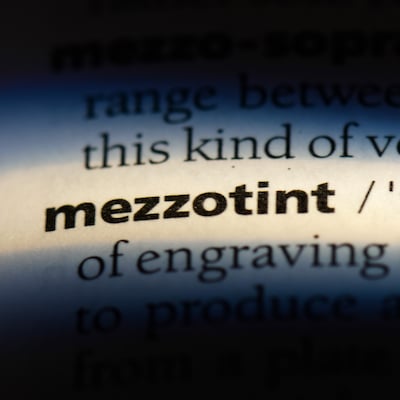
Mezzotint is a printmaking technique in which a copper or steel plate is roughened to produce a solid black print. The artist smooths specific areas of the plate to create a range of tones, from deep blacks to delicate grays and whites. By varying the degree of smoothing, the artist can achieve detailed gradations of light and shadow, resulting in prints with rich, velvety textures and subtle transitions between light and dark.
Can't find your Answer?
Thank you! Your question has been sent — we'll get back to you shortly.
