

What is appropriation?
- Show All
- Established
- Discoveries
- Show All
Artworks Related to Appropriation
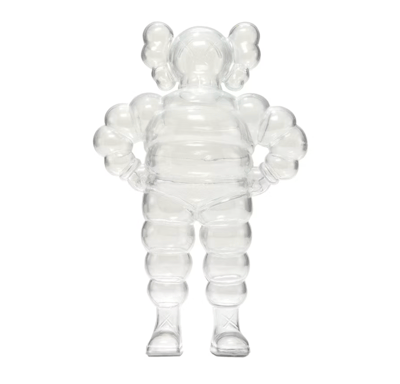
KAWS
Chum Vinyl Figure, 2002
Sculpture / Object
Mixed Media
Inquire For Price

Andy Warhol
George Gershwin, F. & S. IIB.231 (TP), c. 1980
Limited Edition Print
Screen-print
USD 39,000 - 50,000
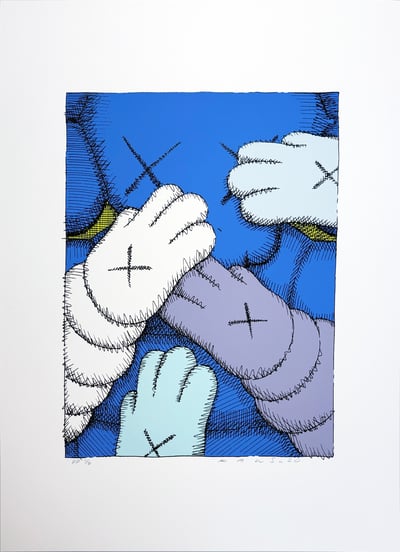
KAWS
Untitled V (Urge), 2020
Limited Edition Print
Silkscreen
EUR 7,800

Robert Rauschenberg
People Have Enough Trouble Without Being Intimidated by an Artichoke, 1979
Limited Edition Print
Collage
Inquire For Price
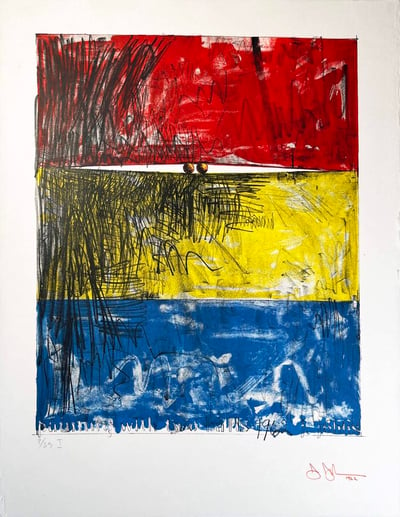
Jasper Johns
Painting with Two Balls I, 1962
Limited Edition Print
Lithograph
USD 31,500
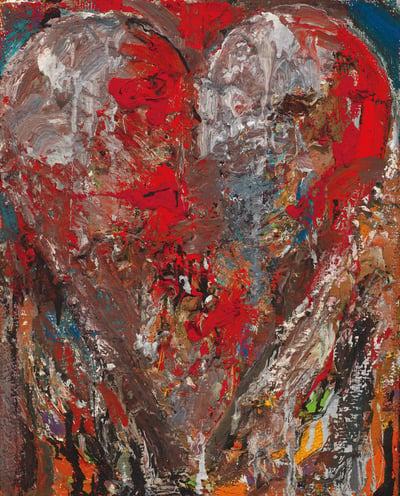
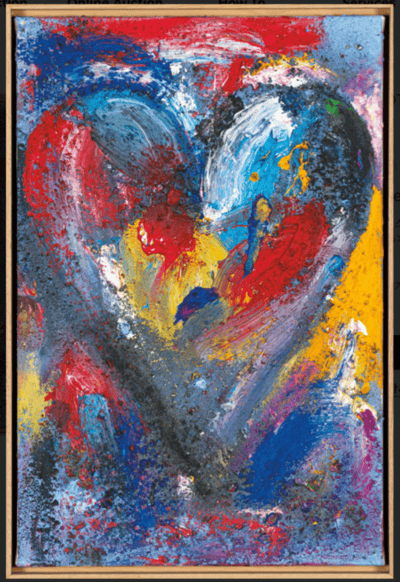
Jim Dine
Cadmium Red medium, 2021
Painting
Mixed Media
Inquire For Price

Yue Minjun
Untitled (Smile-ism No.25), 2006
Limited Edition Print
Lithograph
USD 6,500
Jim Dine
Tomato Pan, 2022
Painting
Acrylic on canvas
Inquire For Price

Jim Dine
Red Design for Satin Heart, Red
Limited Edition Print
Etching
Inquire For Price

Claes Oldenburg
Proposal For A Civic Monument In The Form Of Two Windows, 1982
Limited Edition Print
Lithograph
USD 1,450
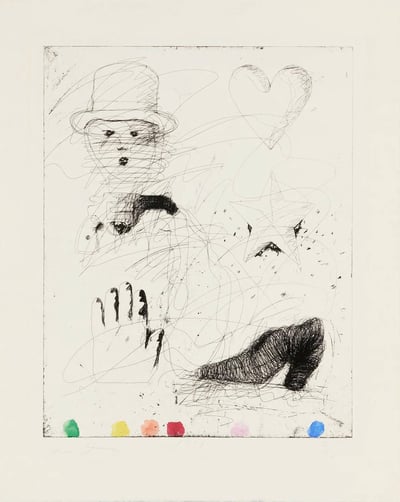
Jim Dine
The Realistic Poet Assassinated, 1970 / 1971
Limited Edition Print
Etching
Inquire For Price

Andy Warhol
Cars Mercedes 300 SL Gulwing, 2007
Limited Edition Print
Silkscreen
EUR 4,250

John Baldessari
Throwing Three Balls in the Air to Get a Straight Line (Best of Thirty-Six Attempts), 1973
Photography
Offset Print
EUR 7,200

Andy Warhol
Hot Dog Bean (from Campbell's Soup II), 1969
Limited Edition Print
Screen-print
Inquire For Price

Andy Warhol
Oyster Stew (from Campbell's Soup II), 1969
Limited Edition Print
Screen-print
Inquire For Price

Andy Warhol
Camouflage, II.413, 1987
Limited Edition Print
Screen-print
USD 50,000 - 60,000
Related Articles
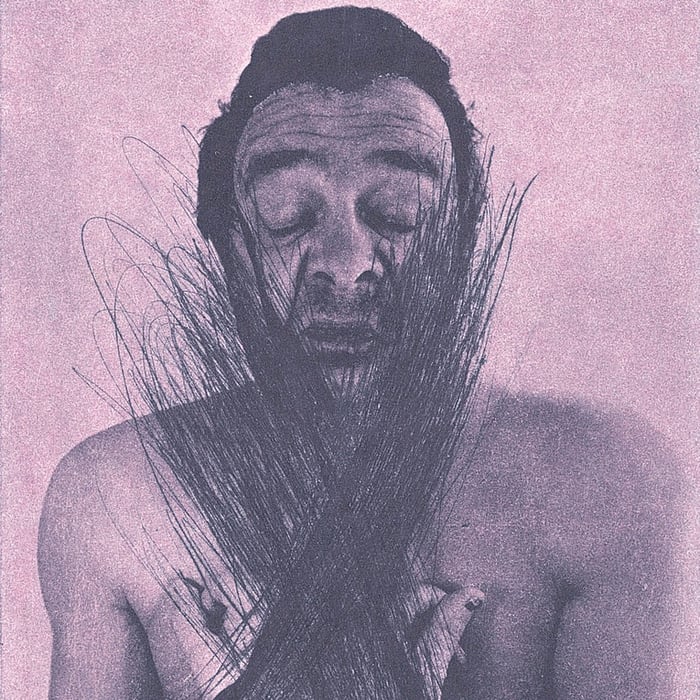

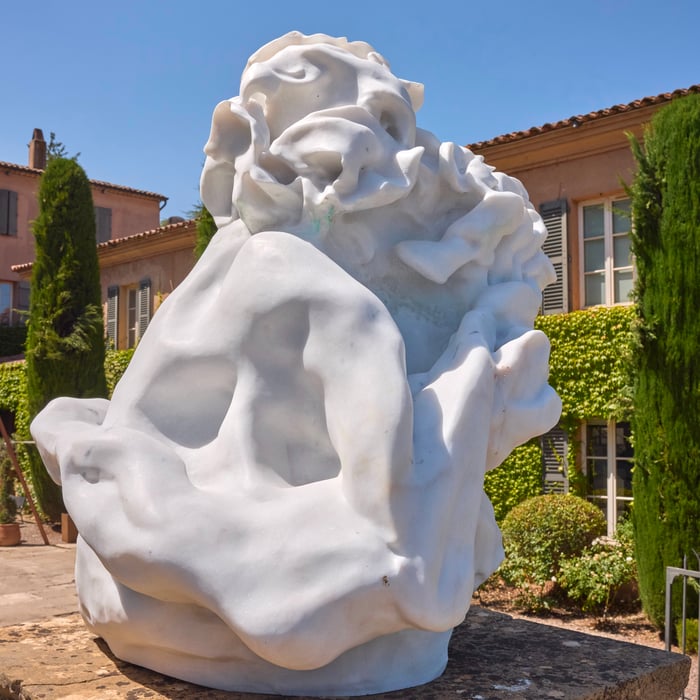

Street Art is artwork created and executed in public spaces, outside of traditional art venues. It gained popularity during the 1980s graffiti art boom and has since evolved into various forms and styles. Common forms of Street Art include pop-up art, sticker art, stencil graffiti, and street installations or sculptures. Terms like guerrilla art, neo-graffiti, post-graffiti, and urban art are often used interchangeably to describe this genre, which challenges conventional ideas about where and how art should be displayed.
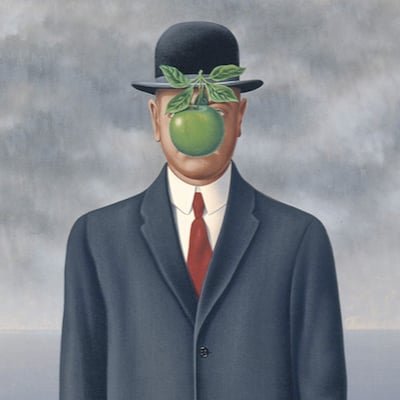
Surrealism began in the 1920s as an art and literary movement with the goal of revealing the unconscious mind and unleashing the imagination by exploring unusual and dream-like imagery. Influenced by Sigmund Freud’s theories of psychoanalysis, Surrealist artists and writers sought to bring the unconscious into rational life, blurring the lines between reality and dreams. The movement aimed to challenge conventional perceptions and express the irrational aspects of the human experience.
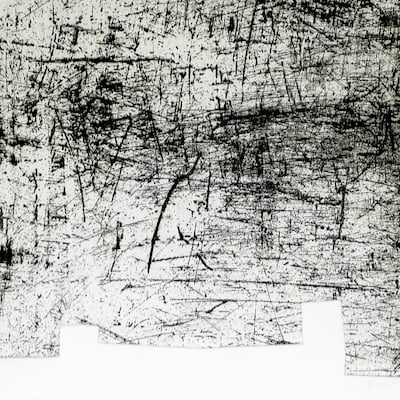
Abstract art uses form, shape, line, and color to create a visual experience without attempting to represent external reality. The composition exists independently of the world's visual references, focusing on expressing ideas and emotions through non-representational means.
Can't find your Answer?
Thank you! Your question has been sent — we'll get back to you shortly.
