

What is appropriation?
- Show All
- Established
- Discoveries
- Show All
Artworks Related to Appropriation

Roy Lichtenstein
Pistol (from Banner, Multiples Calendar, 1968
Limited Edition Print
Screen-print
USD 4,600

Robert Rauschenberg
Pre-Morocco, 1983
Limited Edition Print
Lithograph
USD 2,750

Andy Warhol
Mick Jagger (F & S II.145), 1975
Limited Edition Print
Screen-print
Inquire For Price

Andy Warhol
Mao (F & S II.95), 1972
Limited Edition Print
Screen-print
Inquire For Price

Jasper Johns
Souvenir I, 1972
Limited Edition Print
Lithograph
Inquire For Price
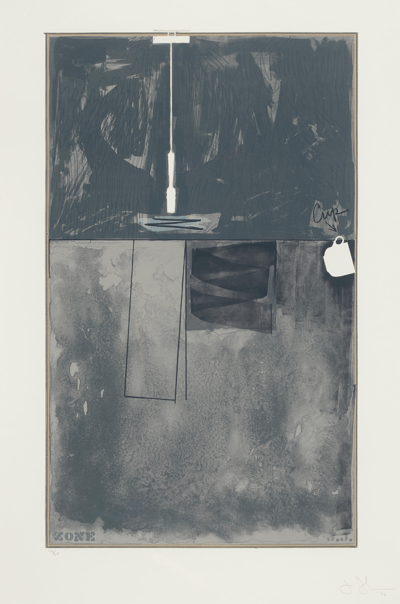
Jasper Johns
Zone, 1972
Limited Edition Print
Lithograph
Inquire For Price

Jim Dine
Albertina Venus, 1989
Limited Edition Print
Etching and Aquatint
USD 3,625

Damien Hirst
Beautiful, Strongest Possible, Yet Unknown Bursting River Painting, 2023
Painting
Mixed Media
USD 10,350
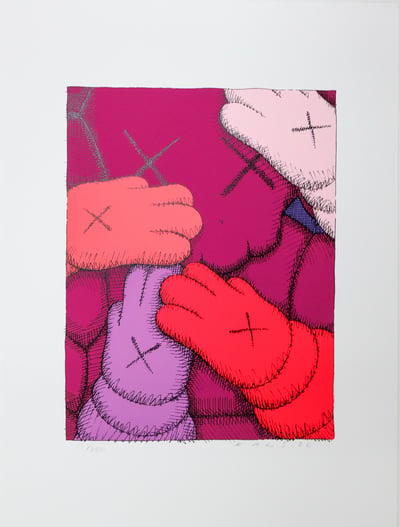
KAWS
Untitled IV (Urge), 2020
Limited Edition Print
Silkscreen
Inquire For Price
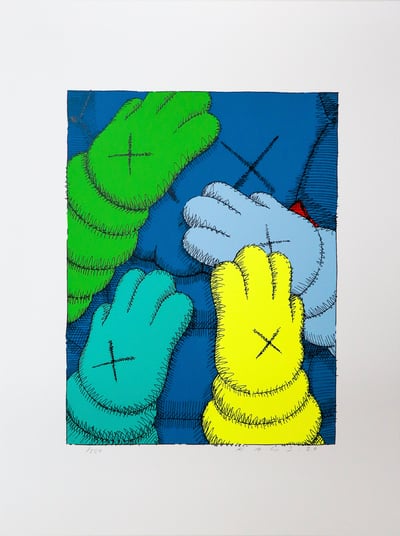
KAWS
Untitled I (Urge), 2020
Limited Edition Print
Silkscreen
Inquire For Price
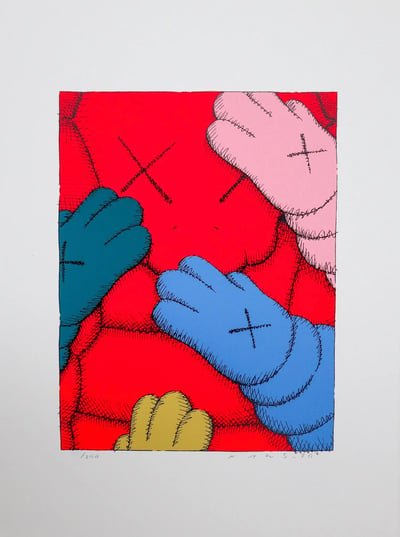
KAWS
Untitled VII (Urge), 2020
Limited Edition Print
Silkscreen
Currently Not Available

Jim Dine
The Hand-Colored Viennese Hearts III, 1990
Limited Edition Print
Mixed Media
USD 10,800

Liliana Porter
La faena, 2024
Limited Edition Print
Collage
EUR 3,000

Liliana Porter
Uno más, 2024
Limited Edition Print
Collage
EUR 3,000

Liliana Porter
La espiral, 2024
Limited Edition Print
Collage
EUR 3,000
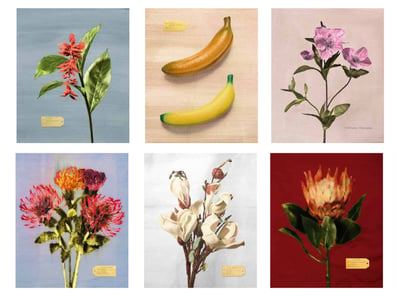
Vik Muniz
Flora Industrialis, 2024
Photography
Photograph
Currently Not Available
Related Articles
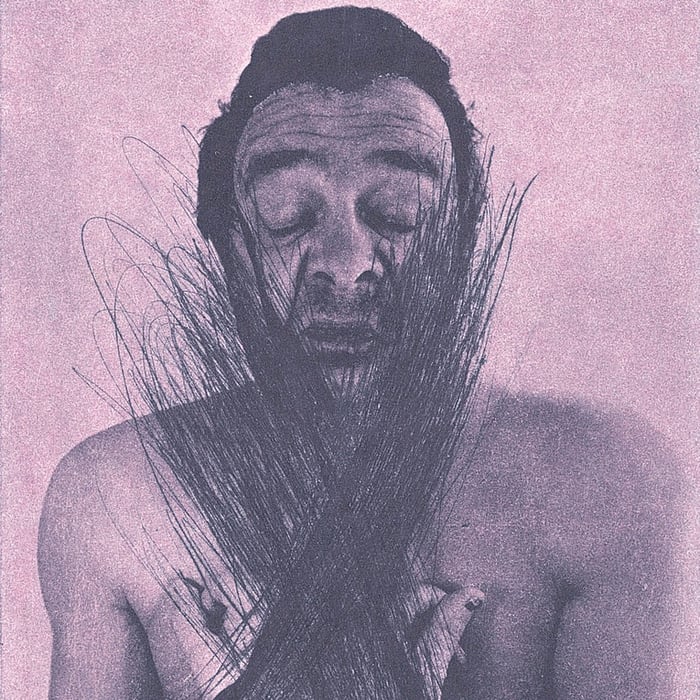

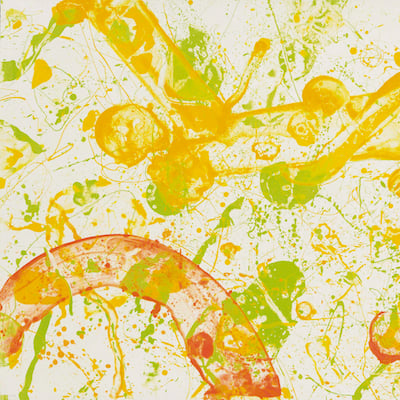
Tachisme is a French abstract painting style that gained popularity between 1940 and 1950, often seen as the European counterpart to Abstract Expressionism. However, there are stylistic differences between the two. Tachisme, which emerged from Art Informel, rejected geometric abstraction in favor of more intuitive and spontaneous expression. It was a reaction against the structured forms of Cubism and is closely related to Informalism. Tachisme emphasizes gestural brushwork, irregular forms, and a focus on the process of painting itself.

Emulation is the process of recreating digital art to ensure it remains accessible and functional, even when the original technology used to create it becomes obsolete. This is done by using newer technology to replicate the experience and functionality of the original artwork, preserving art made with early cameras, software, and computers.

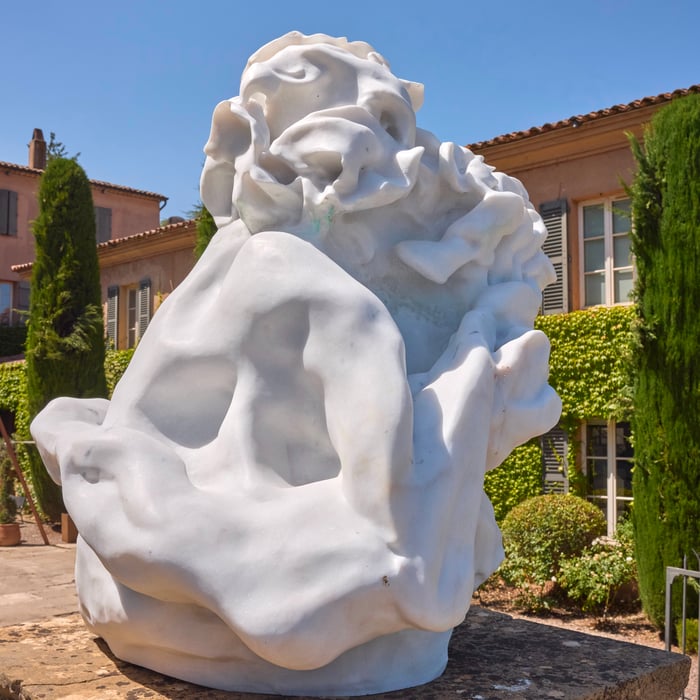
Massurrealism is a portmanteau word coined by American artist James Seehafer in 1992. He observed a trend among postmodern artists who blended themes and aesthetic styles with mass media, including elements of pop art. Massurrealism is a development of surrealism that emphasizes the technological effects on the imagery of contemporary surrealism. The key difference between massurrealism and surrealism is that the latter was founded in Europe at the beginning of the 20th century, while massurrealism is rooted in the influence of modern technology and media.
Can't find your Answer?
Thank you! Your question has been sent — we'll get back to you shortly.
