

What is appropriation?
- Show All
- Established
- Discoveries
- Show All
Artworks Related to Appropriation

Robert Rauschenberg
Best Buddies, 1992
Limited Edition Print
Screen-print
USD 3,060
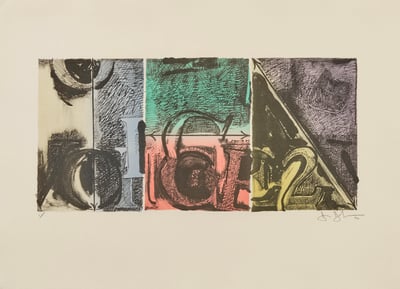
Jasper Johns
Voice 2, 1982
Limited Edition Print
Lithograph
USD 7,670

Claes Oldenburg
Picasso Cufflink, 1974
Limited Edition Print
Lithograph
USD 4,250

Andy Warhol
Vote McGovern, 1972
Limited Edition Print
Serigraph
USD 39,500

Andy Warhol
Mao (F. & S. II.97), 1972
Limited Edition Print
Silkscreen
USD 70,000 - 85,000

Sigmar Polke
Untitled (Columbus In Search of a New Tomorrow), 1992
Limited Edition Print
Silkscreen
Inquire For Price
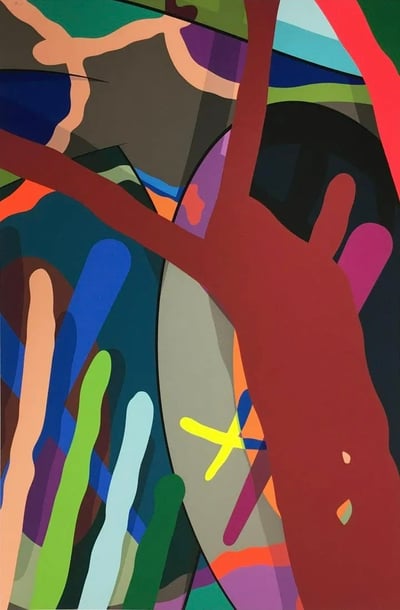
KAWS
Tension 4, 2019
Limited Edition Print
Screen-print
USD 11,350
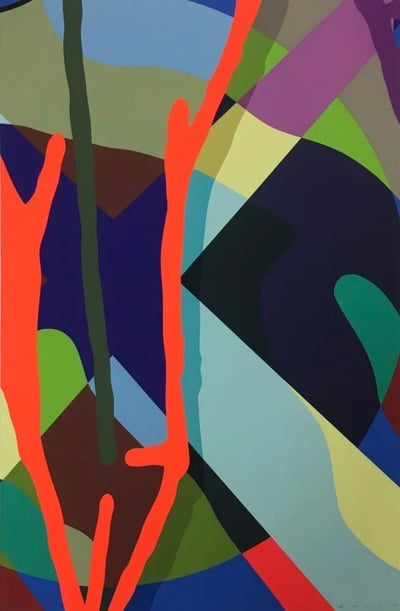
KAWS
Tension 6, 2019
Limited Edition Print
Screen-print
USD 11,350

Claes Oldenburg
Striding Figure, 1971
Limited Edition Print
Screen-print
USD 1,400

James Rosenquist
The flame still dances on Leos book, 1997
Limited Edition Print
Lithograph
USD 1,350
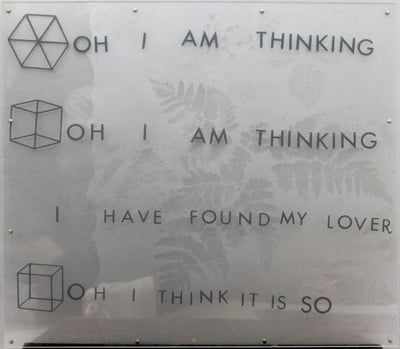
Robert Rauschenberg
Opal Gospel Panel II, 1971
Limited Edition Print
Screen-print
USD 1,650

Robert Rauschenberg
Opal Gospel Panel V, 1971
Limited Edition Print
Screen-print
Inquire For Price

Damien Hirst
The Empresses (set of 5), 2022
Limited Edition Print
Giclée printing
USD 17,750

KAWS
Blame Game IX, 2014
Limited Edition Print
Screen-print
USD 16,900

Mr. Brainwash
Madonna, 2011
Limited Edition Print
Monoprint
Inquire For Price

Glenn Ligon
America , 2015
Limited Edition Print
Screen-print
Currently Not Available
Related Articles
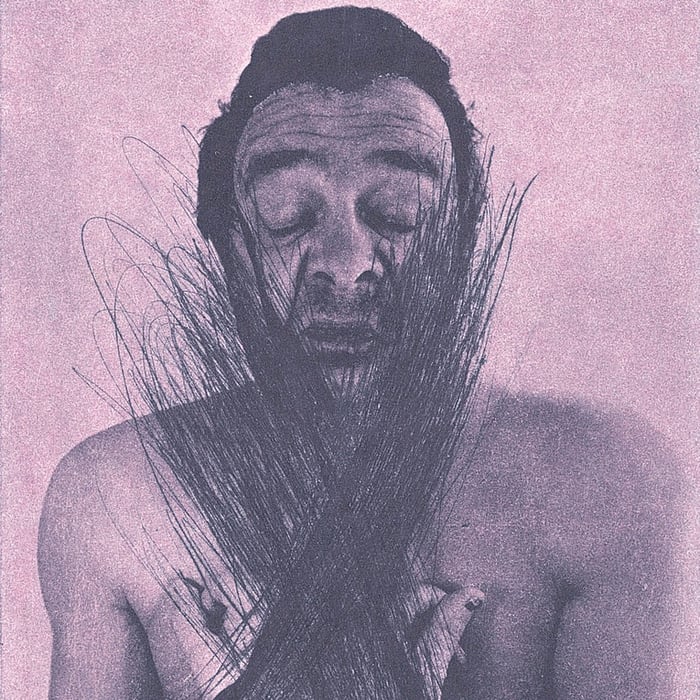

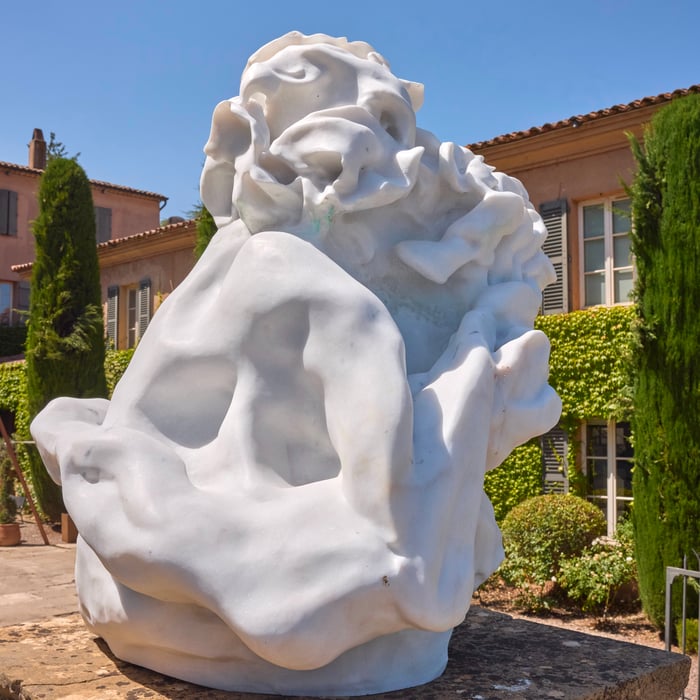

The Uncanny is a concept described by psychologist Sigmund Freud as the eerie or unsettling feeling that arises when something familiar is presented in a strange or unfamiliar way. Surrealist artists, who aimed to reveal the subconscious and merge it with reality, often utilized this concept by combining familiar objects in unexpected and bizarre ways. This approach created a sense of discomfort or unease, challenging the viewer's perception of reality.

Digital art refers to art which is created using digital technology. It can be generated by computer, drawn or scanned with a tablet using a mouse. Video may be downloaded to computers so artists can manipulate images filmed with a video camera.

In the 1960s, Funk Art emerged as a reactive movement against Abstract Expressionism. It was widely known as an anti-establishment movement, with the name derived from the jazz term funky. This term carried both positive and negative connotations: in the jazz world, it described passion, quirkiness, and sensuality, but it could also refer to a foul odor. Funk Art was particularly popular in the California Bay Area. While the artists of the Funk Art era shared similar attitudes and styles, they did not see themselves as part of a formal group or movement.
Can't find your Answer?
Thank you! Your question has been sent — we'll get back to you shortly.
