

What is appropriation?
- Show All
- Established
- Discoveries
- Show All
Artworks Related to Appropriation
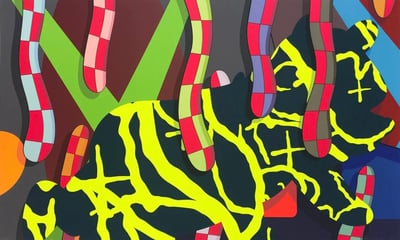
KAWS
Far Far Down, 2018
Limited Edition Print
Screen-print
USD 23,000 - 30,000
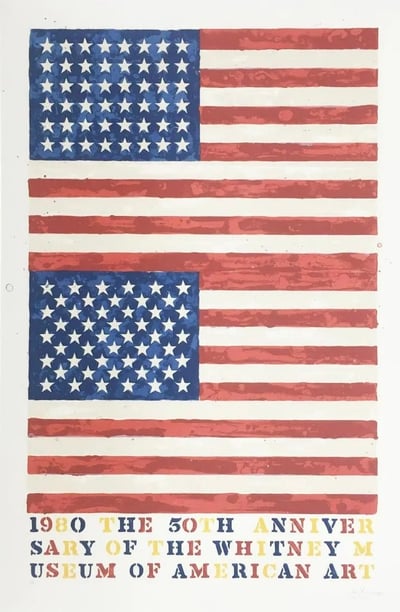
Jasper Johns
Double Flags, 1979-80
Limited Edition Print
Lithograph
Currently Not Available

James Rosenquist
SPOKES (green), 1978
Limited Edition Print
Etching and Aquatint
Currently Not Available

Claes Oldenburg
Centennial Print for the Judson Memorial Church, 1990
Limited Edition Print
Screen-print
USD 1,150
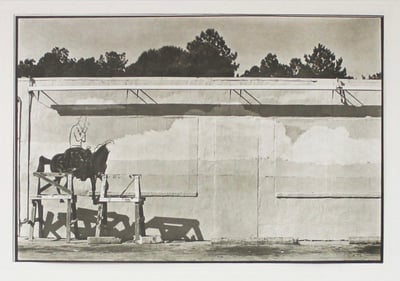
Robert Rauschenberg
Plate from Photogravures Suite 1, 1983
Limited Edition Print
Photogravure
Currently Not Available

Richard Hamilton
Kent State, 1970
Limited Edition Print
Silkscreen
EUR 3,450

Richard Hamilton
Poster, 1973-74
Limited Edition Print
Mixed Media
EUR 5,000

James Rosenquist
Certificate, 1962
Limited Edition Print
Etching
Inquire For Price

Jasper Johns
Summer, 1985
Limited Edition Print
Etching and Aquatint
USD 5,250
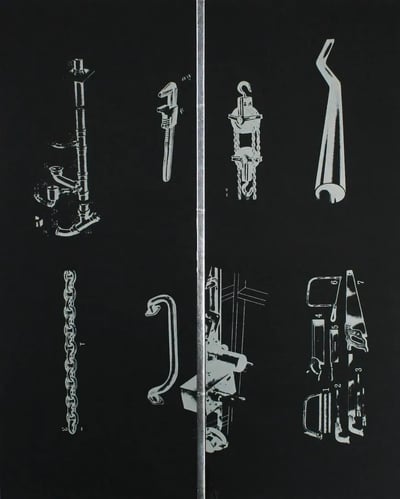
Jim Dine
Tool Box IX, 1966
Limited Edition Print
Screen-print
USD 1,350
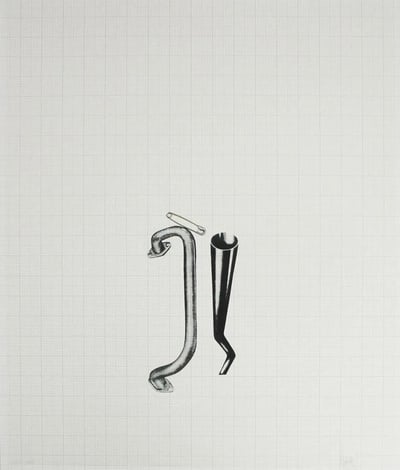
Jim Dine
Tool Box X, 1966
Limited Edition Print
Screen-print
USD 1,350

Claes Oldenburg
Study for Steel and Lead Ashtray, 1976
Limited Edition Print
Etching and Aquatint
EUR 3,750

Mr. Brainwash
Street Connoisseur Follow Your Dreams Red, 2022
Limited Edition Print
Mixed Media
USD 4,300

Jim Dine
Untitled from Pinocchio Suite, 2005
Limited Edition Print
Lithograph
USD 2,550
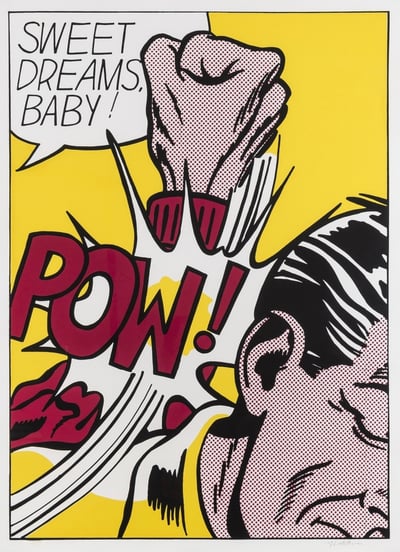
Roy Lichtenstein
Sweet dreams, Baby!, 1965
Limited Edition Print
Screen-print
Currently Not Available

Andy Warhol
Kachina Dolls, 1986
Limited Edition Print
Screen-print
USD 45,200
Related Articles


Tempera is a paint traditionally made by mixing colored pigments with egg yolk. It dries quickly and is highly durable, with some examples dating back to 100 AD still in existence. Modern tempera paint often uses glue size as a binder instead of egg yolk. Tempera is known for its bright colors and fine, detailed application, making it popular for panel paintings and icons.

Dau Al Set was an artistic movement that sought to express both the conscious and unconscious mind through art. Initially an offshoot of Surrealism, it evolved into a distinct movement over time. Founded in Catalonia post-World War II, Dau Al Set was the first artistic movement in the region after the war. The name Dau Al Set translates to the seventh face of the dice in Catalan, symbolizing the movement's unique and unconventional character.

Graphite is a form of carbon commonly used as the core material in pencils. It can be compressed to various levels of hardness, allowing for different shading effects in drawing. In powdered form, graphite can be applied with a brush for broader, softer applications. Graphite erases easily and was first discovered in the 1500s in England's Lake District.
Can't find your Answer?
Thank you! Your question has been sent — we'll get back to you shortly.
