

Silk-screen on Schoeller Durex paper
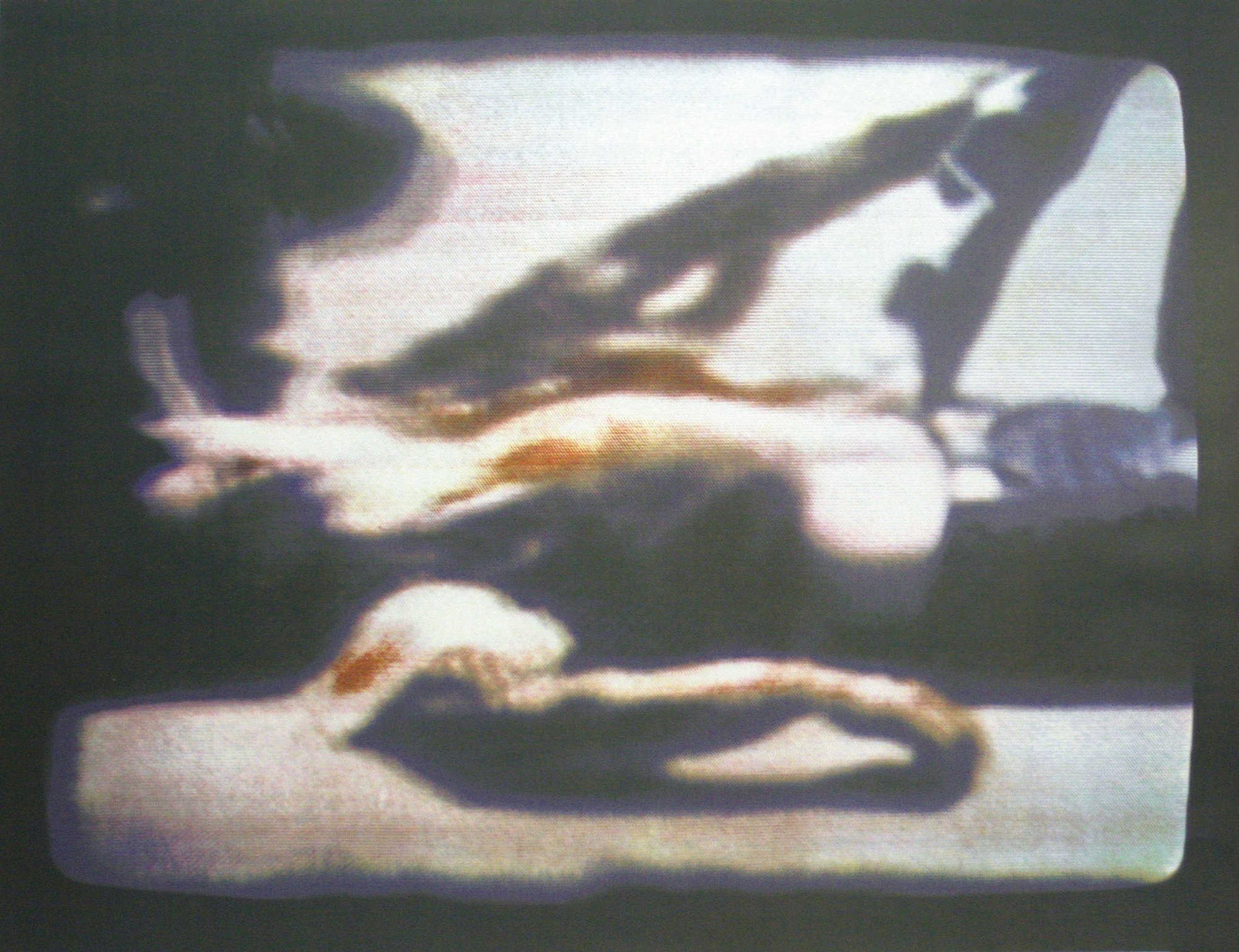
Kent State by Richard Hamilton, created in 1970, is a limited edition silkscreen print on Schoeller Durex paper that reflects on the tragic events at Kent State University earlier that year. The artwork fuses elements of documentary photography with graphic design, using a blurred and distorted image reminiscent of a television broadcast to capture the tension and chaos of the moment. The hazy depiction evokes a sense of immediacy and disorientation, highlighting Hamilton’s sensitivity to the socio-political climate of the time. The large format (74 cm × 102 cm) amplifies the emotional impact, inviting viewers to confront the historical significance and reflect on themes of violence, media representation, and freedom of expression.
Artwork Copyright © Richard HamiltonRichard Hamilton (United Kingdom, 1922–2011) was a British painter and collage artist, often regarded as the father of Pop Art. His 1956 collage 'Just what is it that makes today's homes so different, so appealing?' is considered one of the earliest works of the movement. Hamilton's innovative approach combined popular culture with fine art, influencing generations of artists.
Artwork Copyright © Richard HamiltonKent State, 1970
Form
Medium
Size
- Inches
- Centimeters
Edition
Price
- USD
- EUR
- GBP
- CHF
- Authenticity Guaranteed
- Insured Shipping
- Online Since 2005
●Inventory 11171
●Signed
●Comes with gallery invoice and certificate
●Sell Us a Similar Artwork. Learn more.
Silk-screen on Schoeller Durex paper
Kent State by Richard Hamilton, created in 1970, is a limited edition silkscreen print on Schoeller Durex paper that reflects on the tragic events at Kent State University earlier that year. The artwork fuses elements of documentary photography with graphic design, using a blurred and distorted image reminiscent of a television broadcast to capture the tension and chaos of the moment. The hazy depiction evokes a sense of immediacy and disorientation, highlighting Hamilton’s sensitivity to the socio-political climate of the time. The large format (74 cm × 102 cm) amplifies the emotional impact, inviting viewers to confront the historical significance and reflect on themes of violence, media representation, and freedom of expression.
Artwork Copyright © Richard HamiltonRichard Hamilton (United Kingdom, 1922–2011) was a British painter and collage artist, often regarded as the father of Pop Art. His 1956 collage 'Just what is it that makes today's homes so different, so appealing?' is considered one of the earliest works of the movement. Hamilton's innovative approach combined popular culture with fine art, influencing generations of artists.
Artwork Copyright © Richard Hamilton- Recently Added
- Price (Low-High)
- Price (High-Low)
- Year (Low-High)
- Year (High-Low)

Richard Hamilton
Kent State, 1970
Limited Edition Print
Silkscreen
EUR 3,450

Richard Hamilton
Poster, 1973-74
Limited Edition Print
Mixed Media
EUR 5,000
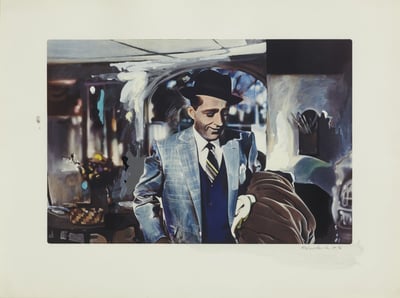
Richard Hamilton
I'm dreaming of a black Christmas, 1971
Limited Edition Print
Screen-print
Currently Not Available
Related Artists


Artwork by Laure Prouvost
What is Lettrism?
Lettrism is an art form that uses letters, words, and symbols to create artwork. The movement was established in Paris in the 1940s and later gained popularity in the 1950s in America. Lettrisme is the French spelling of the movement's name, derived from the French word for letter.

Richard Hamilton
Kent State, 1970
74 x 102 cm


