
What is concrete art?
- Show All
- Established
- Discoveries
- Show All
Artworks Related to Concrete art

Carmen Herrera
The Way, 2017
Limited Edition Print
Lithograph
GBP 9,900

Yaacov Agam
Square Wave, 1983
Limited Edition Print
Serigraph
USD 1,250
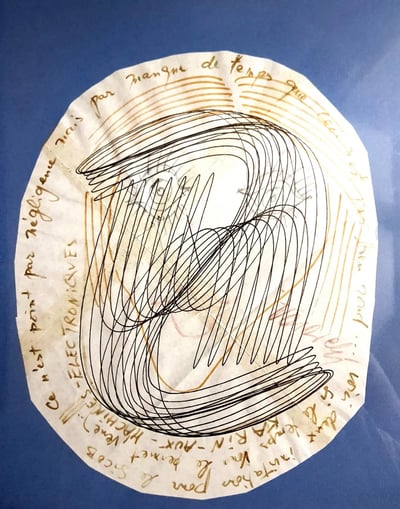
Victor Vasarely
Face, 1970s
Drawing / Watercolor
Pen and ink
EUR 3,650

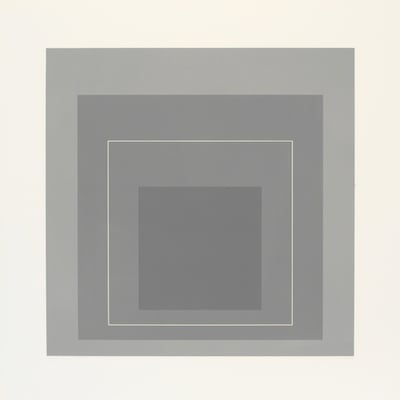
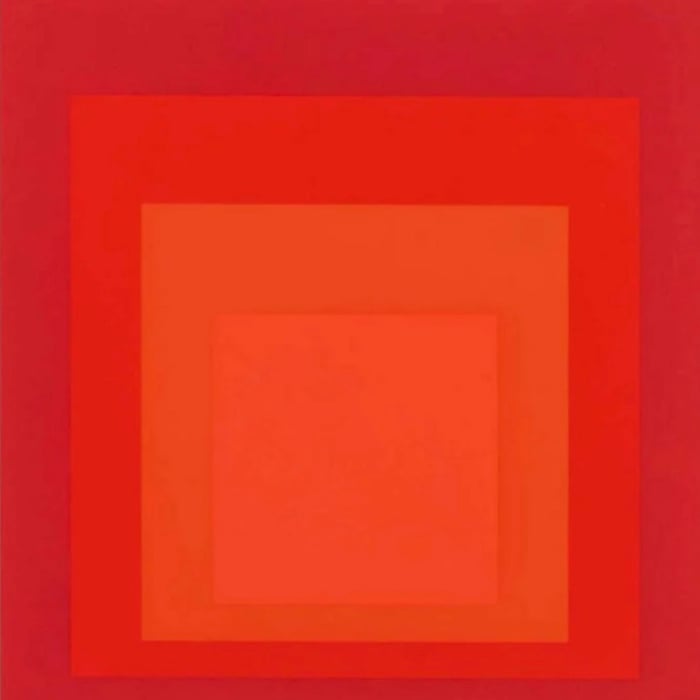
Josef Albers
Homage to the Square, 1970
Limited Edition Print
Screen-print
Currently Not Available
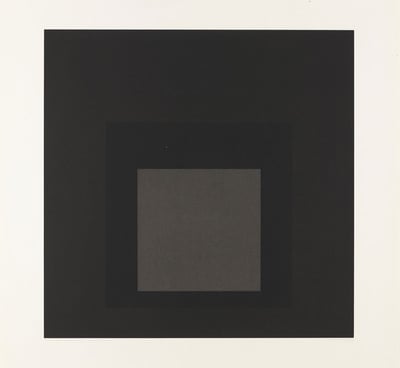
Josef Albers
Midnight + Noon I, 1964
Limited Edition Print
Lithograph
Currently Not Available

Josef Albers
Variants II, from Ten Variants, 1966
Limited Edition Print
Screen-print
USD 5,400

Josef Albers
Variants I, from Ten Variants, 1966
Limited Edition Print
Screen-print
USD 5,400

Josef Albers
Variants IV, from Ten Variants, 1966
Limited Edition Print
Screen-print
USD 5,400
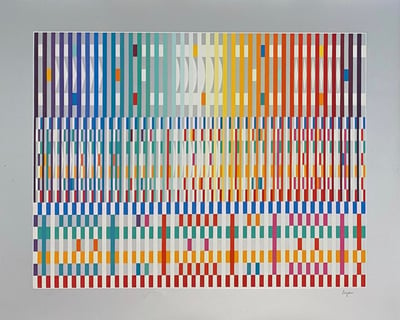
Yaacov Agam
Untitled II, 1990
Limited Edition Print
Lithograph
USD 900

Rafael Jesus Soto
Dos Cuadraditos, 1972
Sculpture / Object
Object
Currently Not Available
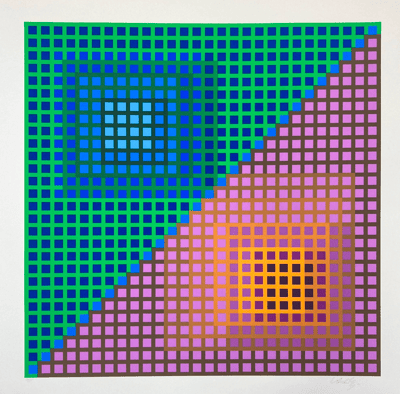
Victor Vasarely
Lum, 1982
Limited Edition Print
Lithograph
USD 1,250

Francois Morellet
Trois cubes imbriqués, 1977
Sculpture / Object
Metal
EUR 6,990

Rafael Jesus Soto
Caroni, 1971
Limited Edition Print
Silkscreen
EUR 1,270

Heinz Mack
Kleiner Dreiklang, 1994
Limited Edition Print
Silkscreen
EUR 6,970

Heinz Mack
Blaues Feld mit Rosa, 1997
Limited Edition Print
Silkscreen
EUR 5,800

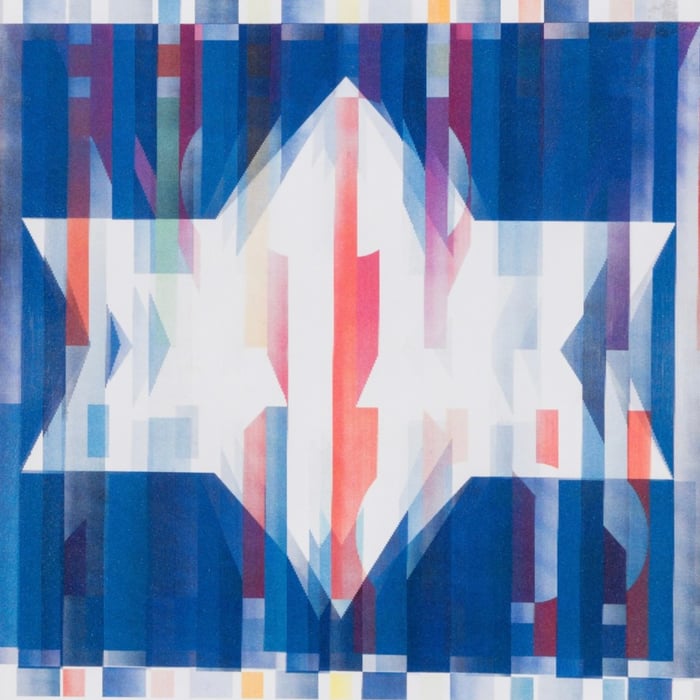
Yaacov Agam
Message of peace, 1988
Limited Edition Print
Silkscreen
Currently Not Available
Related Articles

Bricolage is the creation or construction of a piece of art using materials that are readily available to the artist. The term is French and roughly translates to do-it-yourself. This approach became popular when materials were scarce, encouraging artists to improvise and repurpose everyday objects. Bricolage emphasizes creativity and resourcefulness, often resulting in artworks that reflect the unique character of the materials used.
Sound Art is an artistic discipline where sound is used as the primary medium. Like other contemporary art genres, Sound Art is inherently interdisciplinary, engaging with a variety of subjects including electronics, acoustics, noise music, psychoacoustics, audio media, video, film, and sculpture. Early examples of Sound Art include Luigi Russolo's noise intoners, as well as experimental works by Surrealists, Dadaists, and the Fluxus movement. These early pioneers helped establish sound as a legitimate medium for artistic expression.

Pop Art is an art movement that began in Britain in 1955 and in the late 1950s in the U.S. It challenged traditional fine arts by incorporating imagery from popular culture, such as news, advertising, and comic books. Pop Art often isolates and recontextualizes materials, combining them with unrelated elements. The movement is more about the attitudes and ideas that inspired it than the specific art itself. Pop Art is seen as a reaction against the dominant ideas of Abstract Expressionism, bringing everyday consumer culture into the realm of fine art.
Can't find your Answer?
Thank you! Your question has been sent — we'll get back to you shortly.
