
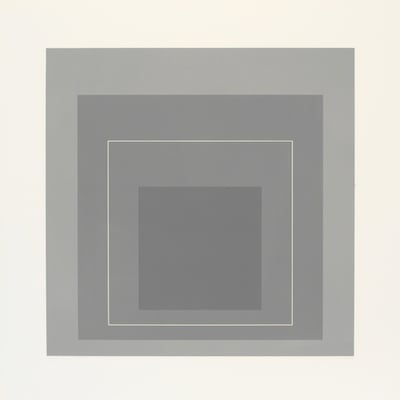
What is concrete art?
- Show All
- Established
- Discoveries
- Show All
Artworks Related to Concrete art

Alberto Biasi
Rilievo ottico cinetico, 1972
Limited Edition Print
Screen-print
EUR 1,900

Yaacov Agam
Yellow Haze, from The Evolution Suite I, C. 1995
Limited Edition Print
Mixed Media
EUR 2,400

Yaacov Agam
American flag, C. 1980
Sculpture / Object
Mixed Media
EUR 1,100

Victor Vasarely
Attika 3, 1990
Limited Edition Print
Screen-print
USD 1,250

Julio Le Parc
Primeras modulaciones 11, 2018
Limited Edition Print
Lithograph
Currently Not Available
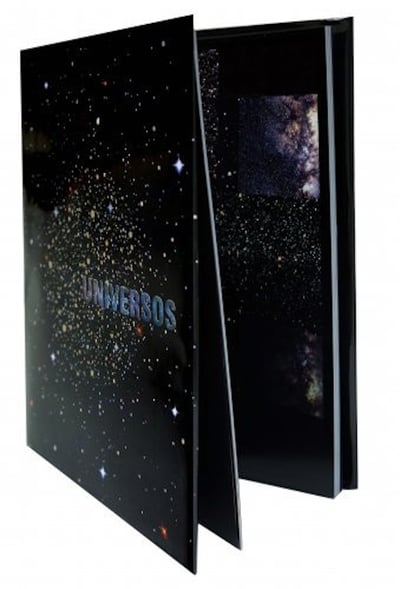
Waltercio Caldas
Universos, 2014
Sculpture / Object
Mixed Media
EUR 900

Yaacov Agam
Composition
Limited Edition Print
Mixed Media
USD 1,300
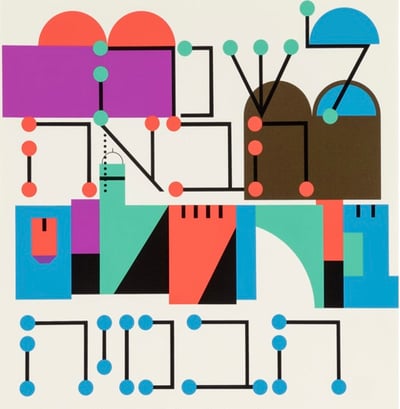
Yaacov Agam
Haggadah – Le Shana Haba’Ah (Next Year In Jerusalem), 1985
Limited Edition Print
Silkscreen
USD 450

Yaacov Agam
Haggadah – Four Sons, 1985
Limited Edition Print
Silkscreen
USD 450
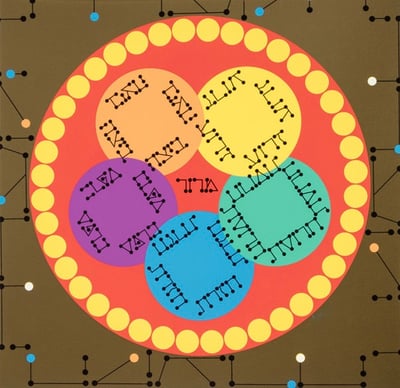
Yaacov Agam
Haggadah – Hakerara (The Seder Plate), 1985
Limited Edition Print
Silkscreen
USD 450
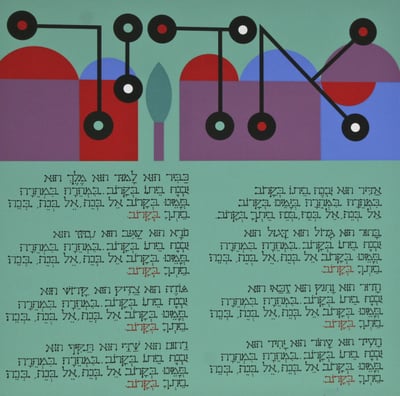
Yaacov Agam
Haggadah – Adir (Greatest), 1985
Limited Edition Print
Silkscreen
USD 450
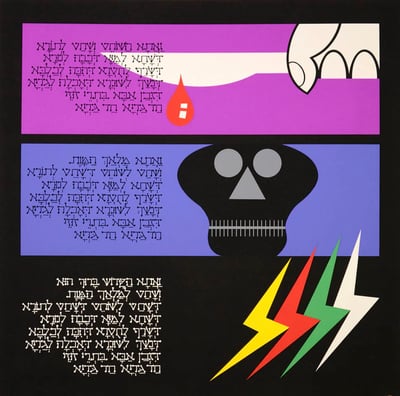
Yaacov Agam
Haggadah – Had Gadya #3 (The Little Lamb), 1985
Limited Edition Print
Silkscreen
USD 450
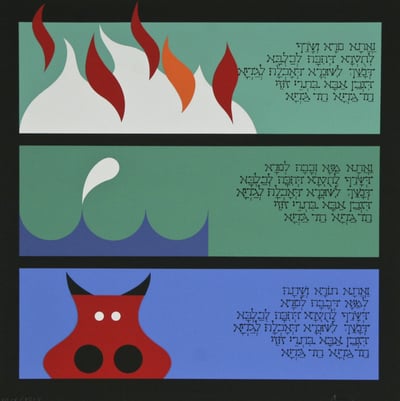
Yaacov Agam
Haggadah – Had Gadya #2 (The Little Lamb), 1985
Limited Edition Print
Silkscreen
USD 450
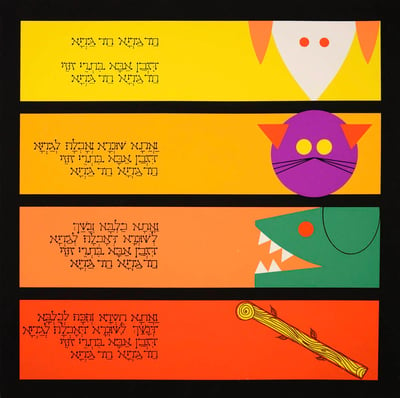
Yaacov Agam
Haggadah – Had Gadya #1 (The Little Lamb), 1985
Limited Edition Print
Silkscreen
USD 450
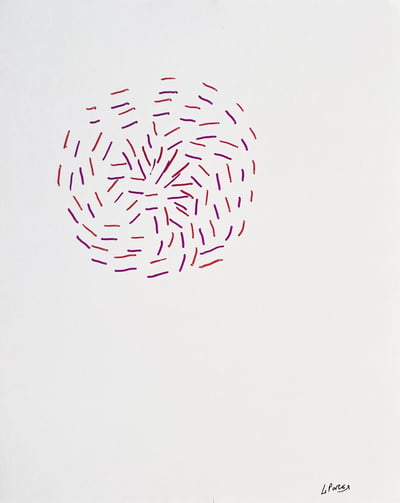
Julio Le Parc
Dessin Infinie 36, 2022
Drawing / Watercolor
Marker
EUR 2,000

Julio Le Parc
Dessin Infinie 30, 2022
Drawing / Watercolor
Marker
EUR 2,000
Related Articles

Transavanguardia is the Italian version of Neo-Expressionism, referring to an art movement that emerged in Italy and other parts of Western Europe during the 1970s and 1980s. The term translates to beyond the avant-garde. Transavanguardia arose as a reaction against the dominance of conceptual art, reintroducing emotion and reviving painting as a primary medium. The movement marked a return to mythic imagery and figurative art, celebrating a rediscovery of traditional forms and themes in a contemporary context.

A limited edition print is one of a number of prints made at the same time from one printmaking plate. A fixed number are made and signed by the artist, indicating the printing order, using the format 1/10, meaning first of ten prints.
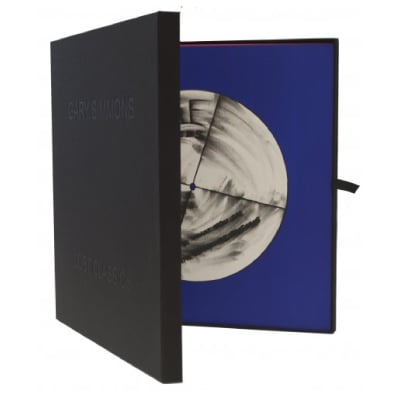
Sound Art is an artistic discipline where sound is used as the primary medium. Like other contemporary art genres, Sound Art is inherently interdisciplinary, engaging with a variety of subjects including electronics, acoustics, noise music, psychoacoustics, audio media, video, film, and sculpture. Early examples of Sound Art include Luigi Russolo's noise intoners, as well as experimental works by Surrealists, Dadaists, and the Fluxus movement. These early pioneers helped establish sound as a legitimate medium for artistic expression.
Can't find your Answer?
Thank you! Your question has been sent — we'll get back to you shortly.
