
What is concrete art?
- Show All
- Established
- Discoveries
- Show All
Artworks Related to Concrete art

Victor Vasarely
Album Meta: Seven Plates 4, 1976
Limited Edition Print
Screen-print
USD 3,700

Julio Le Parc
Collage 4, 2017
Drawing / Watercolor
Collage
Currently Not Available
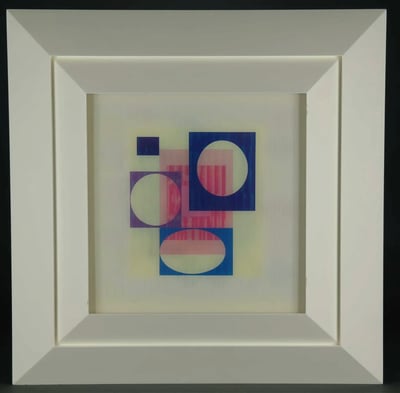
Yaacov Agam
Untitled (Yellow Haze), 1995
Limited Edition Print
Mixed Media
Inquire For Price
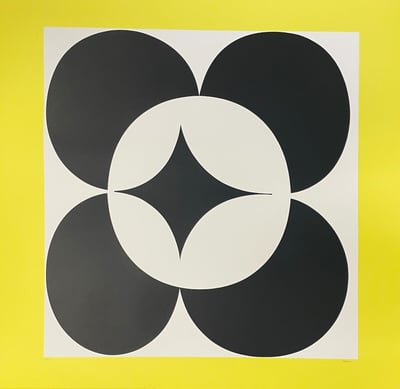
Yaacov Agam
Circles in Yellow, 1980
Limited Edition Print
Serigraph
USD 850

Rafael Jesus Soto
Composición, 1971
Limited Edition Print
Silkscreen
EUR 3,125

Carmen Herrera
Untitled (Yellow Divide), 2018
Limited Edition Print
Silkscreen
GBP 7,750

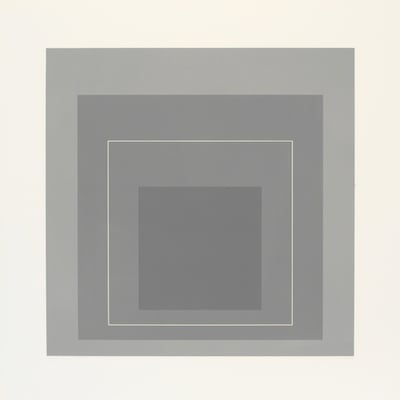
Josef Albers
GB 2 (From Homage to the Square), 1969
Limited Edition Print
Screen-print
Currently Not Available

Piero Dorazio
Vortice, 1989
Sculpture / Object
Mosaic
EUR 2,000
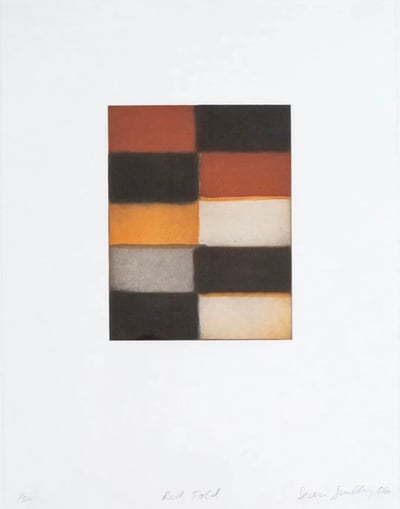
Sean Scully
Red Fold, 2006
Limited Edition Print
Aquatint
USD 6,000

Piero Dorazio
Felt Collage, 1974
Limited Edition Print
Collage
EUR 6,875
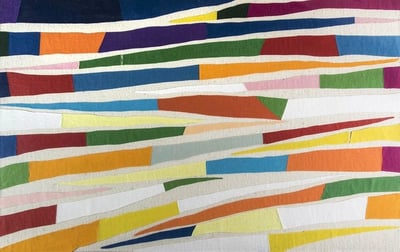
Piero Dorazio
Untitled (Collage), 1974
Limited Edition Print
Collage
EUR 6,875

Julio Le Parc
Color Secuencia 14, 2024
Limited Edition Print
Lithograph
EUR 5,000

Julio Le Parc
Color Secuencia 13, 2024
Limited Edition Print
Lithograph
EUR 5,000
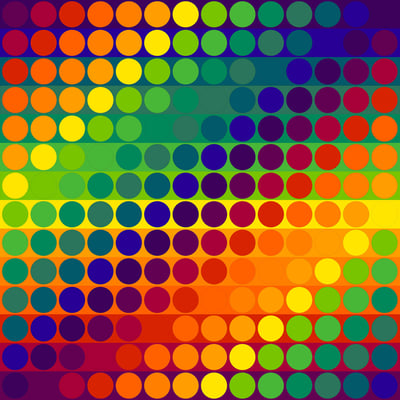
Julio Le Parc
Color Secuencia 12, 2024
Limited Edition Print
Lithograph
EUR 5,000

Julio Le Parc
Color Secuencia 11, 2024
Limited Edition Print
Lithograph
EUR 5,000

Julio Le Parc
Color Secuencia 10, 2024
Limited Edition Print
Lithograph
EUR 5,000
Related Articles
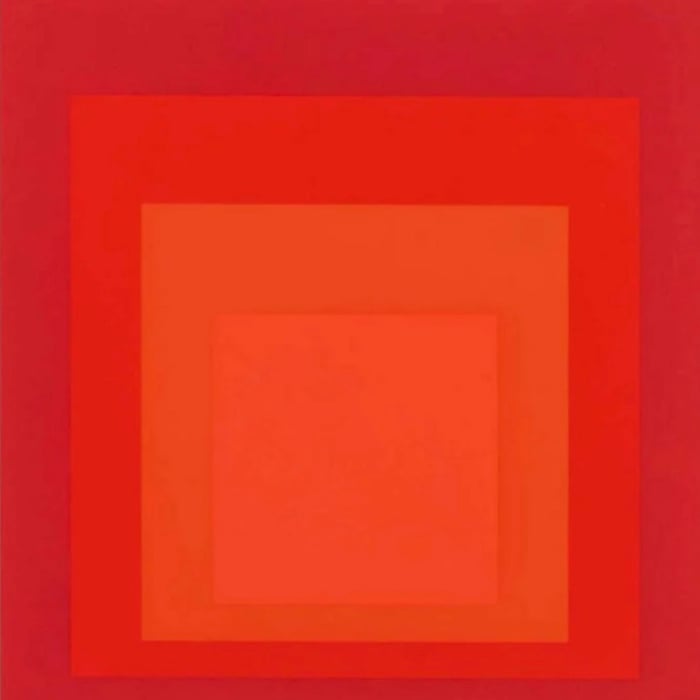
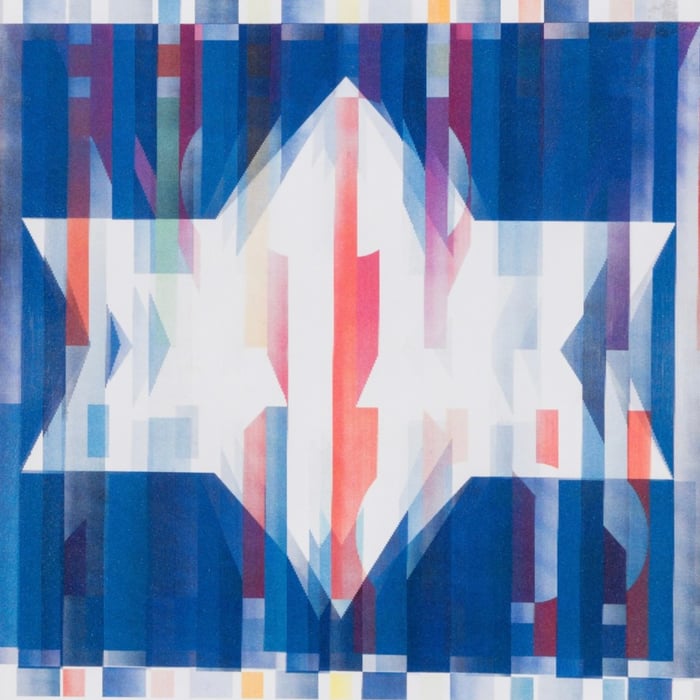
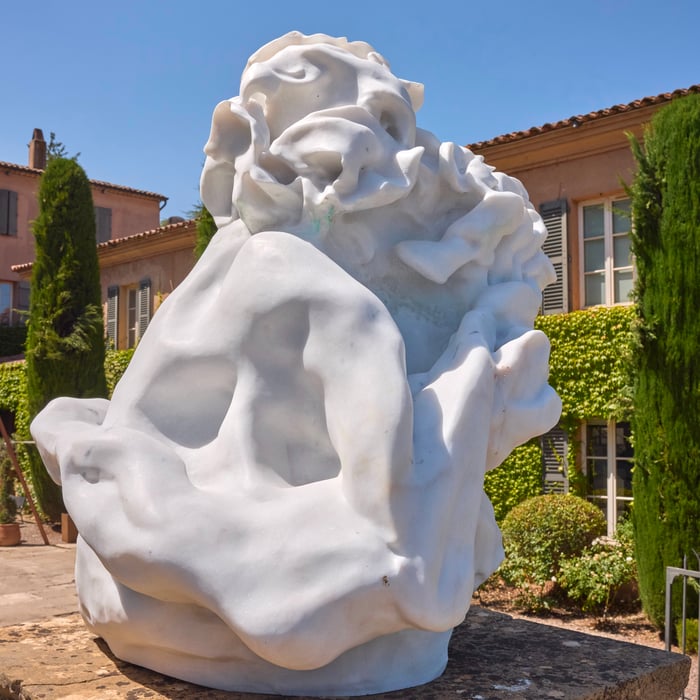

Calligraphy is a visual art closely related to writing, involving the creation of decorative lettering or handwriting using a brush or pen. Contemporary calligraphy is the art of giving form to letters and symbols in a harmonious, expressive, and skillful manner. It ranges from functional designs and inscriptions to fine art pieces where the letters may be readable or abstract.

Spatialism is an art movement that originated in Italy in 1947, founded by Lucio Fontana with the intention of synthesizing sound, color, movement, and space into a new form of art. The movement's central ideas were outlined in Fontana's first manifesto, published in 1947, where he introduced the concept of spatial art to capture the spirit of the post-war era. His ideas were further developed in five subsequent manifestos. Although Fontana's ideas were sometimes considered vague, his influence was significant, as he was one of the first European artists to emphasize art as a performance and gesture.
Mezzotint is a printmaking technique in which a copper or steel plate is roughened to produce a solid black print. The artist smooths specific areas of the plate to create a range of tones, from deep blacks to delicate grays and whites. By varying the degree of smoothing, the artist can achieve detailed gradations of light and shadow, resulting in prints with rich, velvety textures and subtle transitions between light and dark.
Can't find your Answer?
Thank you! Your question has been sent — we'll get back to you shortly.
